Flavors of the Highlands: How Baucau’s Food Tells Its Soul
Nestled in the hills of East Timor, Baucau isn’t just a stopover—it’s a sensory journey. I went expecting quiet streets and mountain views, but what hit me was the smell—wood smoke, roasting corn, simmering stews. Here, every meal feels like a story passed down for generations. Food in Baucau isn’t just sustenance; it’s art, culture, and identity all rolled into one. This is where tradition tastes like home—even if you’ve never been here before. From the rhythm of the market to the slow simmer of a family stew, the city pulses with flavors that speak of resilience, community, and deep-rooted belonging. To understand Baucau, one must taste it, savor it, and listen to what each dish quietly reveals.
First Impressions: Stepping into Baucau’s Living Culture
Arriving in Baucau, travelers are greeted by a quiet elegance—a blend of weathered Portuguese colonial buildings and the vibrant pulse of daily Timorese life. Whitewashed churches with red-tiled roofs stand beside open-air markets where women in colorful *tais* fabrics arrange baskets of taro and chili. The city unfolds slowly, not in grand monuments, but in the way people move: barefoot children chasing chickens down cobbled lanes, elders sipping coffee on wooden benches, and the rhythmic clang of metal from roadside grills where fish sizzle over open flames. This is not a destination staged for tourism; it is lived, breathed, and deeply authentic.
The pace of life here orbits around food and community. Mornings begin early, with families gathering around simple breakfasts of boiled sweet potato and strong coffee grown in the surrounding highlands. By midday, the scent of wood-fired cooking drifts through narrow alleyways, drawing neighbors together for shared meals. The city’s heartbeat is most audible in its markets—places where commerce, culture, and cuisine merge into a single, living rhythm. Unlike the sterile supermarkets of modern cities, Baucau’s markets are alive with movement, sound, and color. Vendors call out in Tetum, bargaining gently with regulars, while the air hums with the scent of smoked fish, ripe mangoes, and crushed garlic.
For the visitor, the sensory immersion is immediate and profound. The first glimpse of a roadside vendor balancing a tray of grilled corn on her head, the sight of red chili peppers strung like garlands across wooden stalls, the low murmur of conversations in a language few outsiders understand—these moments are not curated experiences, but slices of everyday life. There is no performance here, only presence. And in that presence, one begins to sense that food is not merely eaten in Baucau—it is experienced, celebrated, and remembered.
The Heartbeat of Tradition: Food as Cultural Expression
In Baucau, food is far more than nourishment; it is a living archive of history, identity, and resilience. The cuisine reflects centuries of cultural blending—Austronesian roots intertwined with Portuguese colonial influence, yet shaped primarily by the land and the people who have cultivated it for generations. Meals are built around what the earth provides: corn, cassava, sweet potato, banana, and a variety of leafy greens grown in small family plots. Fish from the nearby coast and free-range chicken complete the diet, prepared with care and intention. Every ingredient carries meaning, every dish a lineage.
The Portuguese legacy is evident in certain cooking techniques and flavor combinations—such as the use of garlic, onions, and vinegar in stews—but the soul of Baucau’s cuisine remains distinctly Timorese. Dishes are not about complexity for its own sake, but about balance, memory, and communal sharing. A meal is rarely served on individual plates; instead, food is placed on large banana leaves or communal platters, encouraging conversation, generosity, and connection. This practice reflects a deeper cultural value: that eating is not a solitary act, but a moment of unity.
Food also plays a central role in rituals and milestones. Births, weddings, and funerals are all marked by specific dishes prepared according to tradition. During village ceremonies, elders may offer the first portion of a stew to the ancestors, a quiet acknowledgment of those who came before. Even everyday meals carry this sense of continuity—grandmothers teaching young girls how to grind spices with a stone mortar, fathers showing sons how to build a proper fire for grilling. These moments are not formal lessons, but quiet transmissions of heritage, passed down through touch, taste, and time.
Markets as Living Museums: Where Art and Sustenance Meet
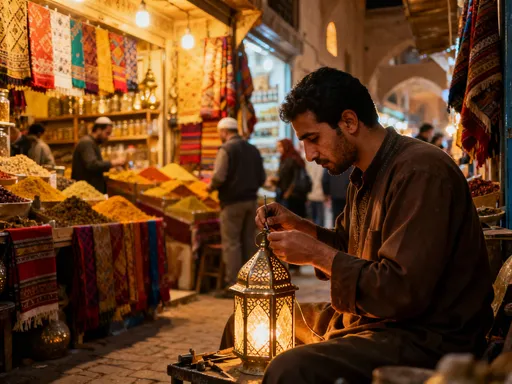
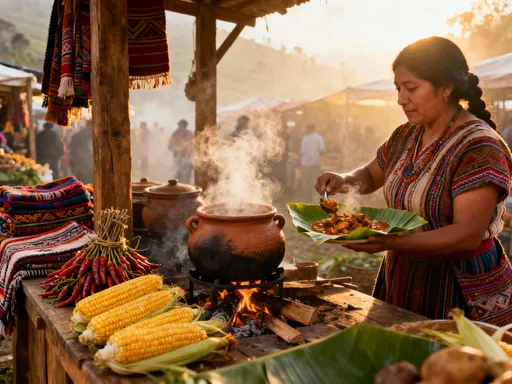
The central market in Baucau is not just a place to buy food—it is a cultural epicenter, a living museum where art, agriculture, and tradition converge. As dawn breaks, women from surrounding villages arrive with woven baskets filled with yams, beans, and fresh herbs. Men carry sacks of coffee beans or strings of dried fish, their faces lined with the marks of sun and labor. The market unfolds in a symphony of color and scent: mounds of golden turmeric, bundles of lemongrass tied with twine, and baskets of red and green chilies that glow like embers in the morning light.
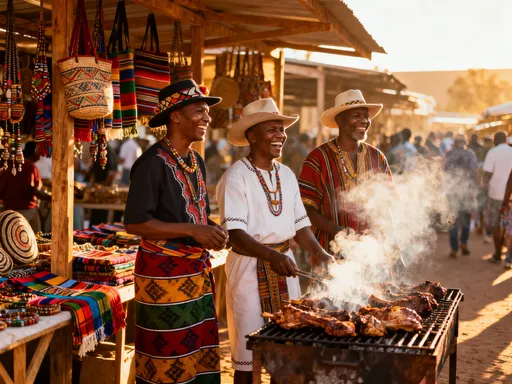
What makes this space truly unique is the seamless integration of food and craft. Alongside the produce, vendors display handwoven *tais* fabrics—each pattern telling a story of clan, region, or spiritual belief. A woman might sell a piece of *tais* with geometric designs symbolizing rice fields, then hand you a bundle of the very same grain she grows on those fields. Here, art is not separate from life; it is woven into it, much like the spices that flavor every meal. The market is a testament to the interconnectedness of creation—whether it is thread, food, or memory.
Within the market, cooking happens in real time. Small stalls offer freshly grilled fish, skewers of marinated meat, and bowls of steaming corn porridge. These are not fast-food stops, but demonstrations of ancestral knowledge. One might watch an older woman stir a clay pot of stew over a wood fire, adjusting the heat with a practiced hand. She uses no timer, no recipe—only instinct honed by decades of repetition. The method is slow, deliberate, and deeply effective. This is cuisine as craft, where time is not wasted but invested. For visitors, observing these moments offers a rare glimpse into a way of life that values patience, presence, and precision.
Taste of the Highlands: Signature Dishes You Can’t Miss
To eat in Baucau is to encounter flavors that are both simple and profound. Among the most iconic dishes is *kak’ik*, a rich chicken stew simmered with coconut milk, garlic, onions, and a blend of local spices. The chicken, often free-range and raised in backyard pens, is tender and deeply flavorful. The stew is slow-cooked in a clay pot over a wood fire, allowing the ingredients to meld into a harmonious blend of savory, creamy, and slightly sweet. It is typically served on a banana leaf, accompanied by boiled cassava or corn, and eaten with the hands—a practice that heightens the sensory experience and reinforces the intimacy of the meal.
Another essential taste is *maheu*, a traditional fermented corn drink with a tangy, slightly effervescent quality. Made by soaking and fermenting corn for several days, then straining and diluting it with water, *maheu* is both refreshing and nourishing. It is often consumed in the morning or after physical labor, providing energy and probiotics long before such benefits were scientifically understood. Drinking *maheu* from a clay cup, one can’t help but appreciate the wisdom embedded in these time-honored methods—a natural preservation technique that also enhances nutrition and flavor.
Equally unforgettable is grilled *ikan*, or fish, typically caught along the northern coast and transported to Baucau’s markets within hours. The fish is marinated in a paste of garlic, chili, and lime, then wrapped in banana leaves and grilled over hot coals. The result is smoky, spicy, and tender, with the banana leaf imparting a subtle earthiness. Eating it with fingers, feeling the charred skin peel away from the flesh, is an act of connection—to the sea, to the cook, to the land. These dishes do not dazzle with presentation or novelty; they move the soul through authenticity, through the quiet confidence of flavors that have stood the test of time.
Culinary Craftsmanship: Food as Artisan Practice
The preparation of food in Baucau is not merely functional—it is an artisanal practice, passed down through generations with the same reverence as weaving or music. Just as *tais* weavers spend years mastering intricate patterns that symbolize history and identity, so too do cooks develop a deep, intuitive understanding of flavor, fire, and fermentation. The kitchen is a studio, the stove a canvas, and the meal a masterpiece shaped by memory and mastery.
One of the most remarkable aspects of Baucau’s culinary tradition is the precision behind its apparent simplicity. Controlling fire, for instance, is a skill that takes years to perfect. A cook must know how to build a fire that burns hot enough to sear fish but low enough to simmer a stew for hours. She adjusts the flame not with dials or gauges, but by shifting wood, managing airflow, and reading the color of the embers. Similarly, spice blending is an art form. There are no measuring spoons—only taste, touch, and tradition. A pinch of turmeric here, a handful of chili there, balanced by the sourness of tamarind or the sweetness of coconut—all adjusted to the season, the occasion, and the people gathered at the table.
Fermentation, too, is a testament to patience and knowledge. Beyond *maheu*, families ferment fish paste, soybeans, and even fruits to create condiments that deepen the flavor of everyday meals. These processes are not rushed; they follow the rhythm of nature. A batch of fermented fish might age for weeks, checked daily, protected from insects, stirred with care. The result is a pungent, umami-rich paste that elevates a simple rice dish into something extraordinary. These practices are not just about taste—they are about resilience, about making the most of what the land provides, and about preserving knowledge in a world that often values speed over substance.
Beyond the Plate: Coffee, Community, and Connection
No exploration of Baucau’s food culture is complete without mention of its coffee—a source of pride, livelihood, and daily ritual. Grown in the rich volcanic soil of the highlands, Baucau’s coffee is known for its smooth body, mild acidity, and notes of chocolate and nut. Smallholder farmers cultivate the beans on terraced plots, hand-picking and sun-drying them with meticulous care. The process is slow, labor-intensive, and deeply personal—each farmer knowing their trees by name, tending them like members of the family.
Coffee in Baucau is not consumed quickly or on the go. It is brewed slowly, often in a traditional cloth filter, and served in small cups without sugar or milk. To share coffee is to offer hospitality, to open one’s home and heart. A visitor may be invited to sit on a low stool outside a family’s home, handed a warm cup, and drawn into conversation that unfolds at its own pace. There is no rush, no agenda—only the moment, the connection, the quiet understanding that sharing a drink is a form of trust.
In recent years, community cooperatives have emerged to support small-scale coffee producers, ensuring fair prices and sustainable practices. These groups also play a role in preserving traditional foodways, organizing cooking demonstrations, seed exchanges, and cultural festivals. Through these efforts, food becomes not just a personal or family affair, but a collective act of preservation. It is a way of saying: we remember who we are, and we choose to pass it on.
Traveler’s Guide: Experiencing Baucau’s Food Culture Responsibly
For those drawn to Baucau’s culinary heritage, the most meaningful experiences come not from observation, but from participation. The best time to visit the market is early in the morning, between 6:00 and 9:00 a.m., when the air is cool and the stalls are fully stocked. Arriving with respect and curiosity goes a long way—smiling, greeting vendors in Tetum if possible (*bom dia* for good morning), and asking permission before taking photographs. Purchasing food directly from sellers supports local livelihoods and fosters genuine connection.
Homestays offer one of the most authentic ways to engage with Baucau’s food culture. Staying with a local family allows travelers to witness daily cooking routines, help prepare meals, and share stories over dinner. Some communities offer guided food walks or cooking sessions, led by residents who take pride in sharing their knowledge. These experiences are not commercialized performances, but invitations into real life. They require humility, openness, and a willingness to embrace the unfamiliar—eating with hands, trying new flavors, accepting hospitality without hesitation.
Responsible travel in Baucau also means minimizing waste and honoring local customs. Carrying a reusable bag for market purchases, avoiding single-use plastics, and eating seasonally are small acts with meaningful impact. It means savoring food slowly, not rushing through meals, and recognizing that every bite is the result of someone’s labor, land, and love. Slow travel—choosing depth over speed—is not just a recommendation; it is a form of respect.
Supporting community-led initiatives, such as women’s cooperatives or coffee collectives, ensures that tourism benefits those who steward the culture. These groups often reinvest income into education, healthcare, and environmental conservation, creating a ripple effect of positive change. When travelers choose to engage in this way, they do more than enjoy a meal—they become part of a larger story of preservation and pride.
Baucau doesn’t serve meals—it shares memories. To eat here is to participate in a living culture where every flavor carries history and every shared plate deepens connection. In a world chasing culinary trends, Baucau reminds us that the most powerful food isn’t fancy—it’s faithful. Travelers don’t just leave with full stomachs; they carry home a deeper understanding of what it means to belong.