You Won’t Believe These Art-Filled Viewpoints in Mérida
Mérida isn’t just Mexico’s cultural heart—it’s a living canvas. Wandering its streets, I kept stumbling on moments where art and perspective collided in the most unexpected ways. From colonial façades painted with stories to rooftop vistas that blend history and color, the city reveals itself through artistic lenses you won’t find anywhere else. If you're chasing beauty with soul, these viewpoints are pure magic. Every corner seems to breathe creativity, where centuries of tradition meet bold contemporary expression. This is not a place frozen in time, but one constantly reimagining itself—through murals that speak of identity, courtyards that cradle quiet elegance, and markets that pulse with rhythmic life. For travelers seeking more than postcard snapshots, Mérida offers a deeper visual dialogue.
The Soul of a City Seen Through Color
Mérida’s identity unfolds in hues—ochre, cobalt, terracotta, and emerald—each shade a thread in the city’s rich cultural fabric. Unlike other Mexican cities where color serves mere decoration, here it carries meaning. The vibrant facades of colonial buildings are not randomly chosen; they reflect a centuries-old dialogue between indigenous Mayan traditions and Spanish colonial influence, now further enriched by modern artistic sensibilities. Walking through the historic center, one sees how deep reds echo the natural pigments once used in Mayan textiles, while sky-blue doors and window frames recall the spiritual significance of the heavens in pre-Hispanic cosmology. These colors do more than please the eye—they tell stories of resilience, fusion, and pride.
Public art amplifies this narrative. Murals across the city depict scenes from Mayan mythology, agricultural life, and revolutionary moments in Yucatán’s history. One striking example near Parque Santa Lucía shows a woman weaving a textile that transforms into a map of the region, symbolizing how cultural memory is interwoven with place. Such works are not confined to galleries but live on walls, bridges, and alleyways, ensuring that art remains accessible and integrated into daily life. This democratization of creativity allows residents and visitors alike to engage with history and identity in a visceral way.
Understanding Mérida through its visual language requires more than casual observation—it invites emotional connection. When art is embedded in architecture and public space, it becomes a form of collective memory. A painted doorway may commemorate a local hero; a tiled courtyard might honor ancestral craftsmanship. These elements transform the city into an open-air museum, where every glance can lead to discovery. For the mindful traveler, this means slowing down, noticing details, and allowing the environment to reveal its layers over time. The city does not shout its history—it whispers it in color, texture, and form.
Paseo de Montejo: Where Elegance Meets Expression
Stretching nearly five kilometers through the heart of Mérida, Paseo de Montejo stands as a grand testament to the city’s golden age of prosperity in the late 19th century. Named after the Spanish conquistador who founded Mérida, this tree-lined boulevard was once home to the henequen barons—wealthy landowners who profited from the “green gold” fiber exported worldwide. Today, their ornate mansions have been meticulously restored, many repurposed as cultural centers, boutique hotels, and art galleries. But what truly sets this avenue apart is how seamlessly it blends historical grandeur with contemporary artistic expression.
The façades along Paseo de Montejo are masterclasses in architectural storytelling. French neoclassical columns stand beside wrought-iron balconies imported from Europe, while tropical motifs carved into stone whisper of local adaptation. Interspersed among these relics are modern sculptures and installations that transform the entire stretch into an evolving open-air gallery. Near the Museo Fernando García Ponce – MACAY, a sleek bronze figure reaches skyward, symbolizing Mérida’s forward-looking spirit. Further down, a mosaic-tiled bench invites passersby to rest, its design echoing ancient Mayan patterns reinterpreted in a modern palette.
For the best experience, timing is essential. Early morning light bathes the mansions in soft gold, minimizing harsh shadows and enhancing photo opportunities. The streets are quieter then, allowing for contemplative walks beneath the canopy of ahuehuete trees. By late afternoon, the atmosphere shifts—locals begin strolling, cyclists glide by, and the warm glow of sunset casts long, dramatic silhouettes across the boulevard. Some restored homes open their doors during cultural events, offering rare access to interior courtyards adorned with hand-painted tiles and antique furnishings. Checking local event calendars can reveal opportunities to step inside these private spaces during festivals like the Mérida Fest or the International Film Festival.
Visitors should also note the subtle integration of green spaces and pedestrian zones, making exploration comfortable even in the tropical heat. Benches, shaded walkways, and small kiosks selling agua fresca ensure that the journey along Paseo de Montejo is as enjoyable as it is visually rewarding. Whether viewed as a historical promenade or a curated art trail, this iconic avenue offers a powerful reminder that beauty and heritage can coexist in dynamic harmony.
Colonial Courtyards That Whisper Stories
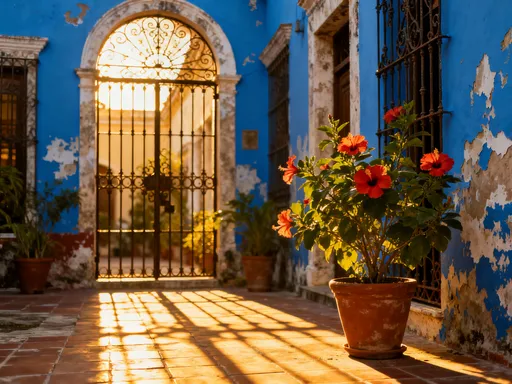
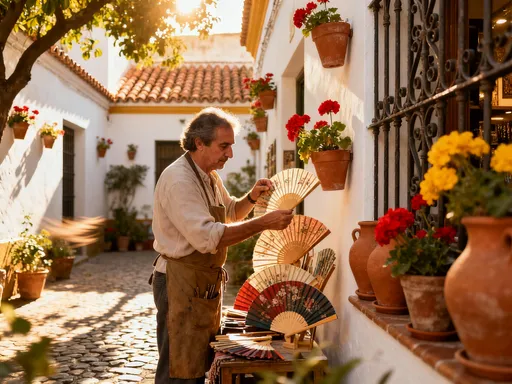
Behind the high walls of Mérida’s old city lie hidden sanctuaries—colonial courtyards known locally as *patios*. These intimate spaces, once the private hearts of family homes, now serve as quiet oases where architecture, nature, and art converge. Traditionally designed around a central open-air space, these patios were built for ventilation in the humid climate, but they also functioned as social and spiritual centers of domestic life. Today, many have been preserved or restored within cultural institutions, boutique inns, and community centers, allowing visitors to step into moments of serene beauty that feel untouched by time.
What makes these courtyards artistically compelling is their thoughtful composition. Tilework—often in geometric or floral patterns—lines fountains and walkways, each piece handcrafted and rich with symbolism. Blue-and-white Talavera tiles, imported historically from Puebla, contrast with locally made terracotta, creating a visual dialogue between regions. Iron grilles on windows and gates are not merely functional; they are intricate works of craftsmanship, their swirls and curves echoing both Spanish filigree and indigenous design sensibilities. Overhead, bougainvillea spills from upper balconies, its vivid magenta blooms framing the sky like living tapestries.
Several accessible patios offer particularly memorable experiences. The Palacio Cantón, now home to the Regional Museum of Anthropology, features a grand central patio surrounded by arched colonnades. Here, the interplay of light and shadow changes throughout the day, transforming the space into a natural sundial of shifting patterns. Another gem is the patio at Casa de la Cultura, where local artists often display temporary installations amidst the greenery. Smaller yet equally enchanting is the courtyard of the Convento de la Tercera Orden, a peaceful retreat with a centuries-old ceiba tree at its center—a species sacred to the Maya.
These spaces invite more than sightseeing; they encourage stillness. Sitting on a stone bench, listening to the trickle of a fountain and the distant chime of church bells, one begins to feel the rhythm of colonial life. The patios are not static relics but living environments where past and present coexist. For travelers, they offer a rare chance to pause, reflect, and absorb the quieter, more contemplative side of Mérida’s artistic soul.
Rooftop Vistas with a Creative Twist
Elevating your perspective—literally—reveals another dimension of Mérida’s artistry. Rooftops across the city offer panoramic views where the urban landscape transforms into a patchwork of terracotta tiles, climbing vines, and distant church spires. But what distinguishes Mérida’s elevated viewpoints is how many incorporate artistic design into the experience itself. Unlike generic observation decks, these spaces are curated environments where every detail—from hand-painted railings to murals on adjacent walls—enhances the visual narrative.
Several boutique hotels and rooftop cafes have turned their upper levels into destinations in their own right. One popular spot, located above a restored 19th-century home in the historic center, features a terrace bordered by a railing painted with Mayan glyphs that tell the story of creation. As the sun rises, golden light filters through the glyphs, casting symbolic shadows across the floor. Another rooftop, part of a contemporary art-focused guesthouse, displays rotating murals by local artists on the surrounding walls, ensuring that the backdrop changes with each visit. These spaces are not just about the view outward—they are immersive installations that surround the observer with creativity.
Timing enhances the experience. Sunrise over Mérida is particularly magical, when the sky shifts from lavender to peach and the city awakens with soft sounds—the clatter of market stalls being set up, the call to morning mass from nearby churches. The cooler temperatures make early visits comfortable, and the low angle of the sun highlights textures in the architecture. Evening offers a different allure—the gradual illumination of plazas, the warm glow of streetlamps, and the gentle hum of conversation from outdoor tables below. Some rooftop bars offer craft cocktails made with local ingredients like hibiscus and tamarind, blending sensory pleasures of taste and sight.
Accessing these spaces responsibly is key. Most require guests to be patrons—ordering a drink, booking a room, or joining a guided tour. This ensures privacy for residents while allowing respectful appreciation of these elevated sanctuaries. A few cultural centers offer periodic rooftop tours during festivals, providing educational context about the architecture and urban planning of colonial Mérida. For the traveler, these vantage points are not just photo opportunities but moments of connection—with the city’s skyline, its artistic spirit, and the quiet joy of seeing the familiar from a new height.
Street Art Beyond the Obvious
While the historic center dazzles with its preserved elegance, Mérida’s creative pulse beats strongest in its lesser-known neighborhoods. Areas like Santiago, San Sebastián, and Garcia Gineres may not appear on every tourist map, but they are where local artists express identity, memory, and aspiration through bold, often large-scale murals. Unlike commercial street art driven by tourism, these works emerge from community initiatives, youth programs, and cultural collectives, making them authentic reflections of Mérida’s evolving soul.
The themes vary widely, yet common threads run through them. Many murals celebrate Mayan heritage—depicting maize gods, traditional weavers, or the sacred ceiba tree that connects the underworld, earth, and sky. Others address social resilience, portraying women leading families, elders passing down knowledge, or farmers tending milpas (traditional cornfields). In some alleys, abstract compositions use vibrant geometric shapes inspired by huipil embroidery, transforming narrow passages into dynamic visual corridors. These are not random decorations but deliberate acts of cultural affirmation.
One powerful example lies in the Santiago neighborhood, where a full-wall mural shows a young girl reading beneath a tree whose roots form the shape of the Yucatán Peninsula. Books float around her like leaves, symbolizing education as both nourishment and liberation. The artwork was created by a collective of local teachers and artists to inspire neighborhood children, proving that public art can be both beautiful and purposeful. Elsewhere, in San Sebastián, a series of portraits honors local artisans—potters, seamstresses, and woodcarvers—elevating everyday labor to the status of cultural heroism.
Exploring these areas requires sensitivity. While photography is welcome, it should be done respectfully—avoiding intrusion into private spaces or disrupting daily life. Engaging with muralists, when possible, enriches the experience; many are happy to discuss their work if approached politely. Some community centers offer guided walking tours led by residents, providing deeper context and ensuring that tourism supports rather than overshadows local voices. For the thoughtful traveler, these streets offer not just visual rewards but a chance to witness art as a living, breathing force for community identity.
Markets as Living Art Installations
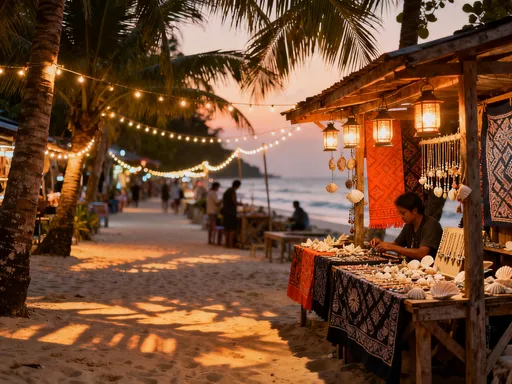
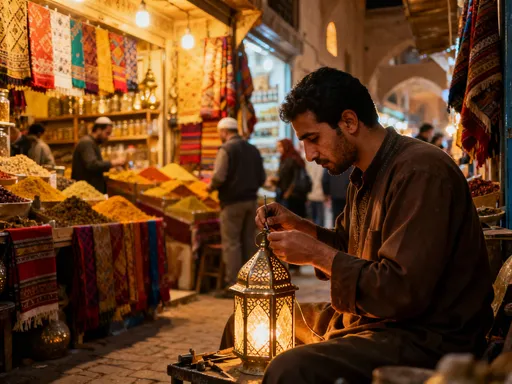
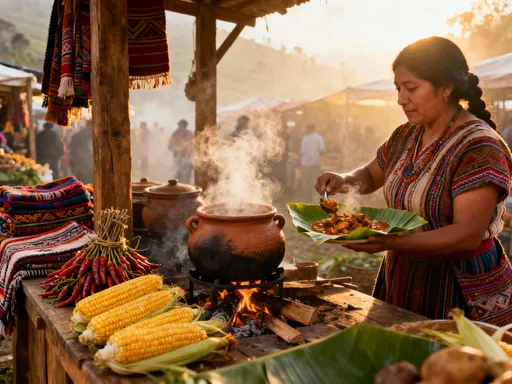
To enter Lucas de Gálvez Market is to step inside a living artwork. More than just a place to buy produce, this bustling hub is a symphony of color, pattern, and motion. Rows of mangoes stacked like golden pyramids, heaps of achiote seeds glowing rust-red, and mounds of purple jamaica flowers create a visual feast that rivals any gallery. Vendors arrange their goods with intuitive artistry—bananas fanned out in gradients, coconuts aligned in precise circles, chili peppers sorted by heat and hue. The market is not curated by designers but animated by daily life, where functionality and beauty coexist effortlessly.
Textiles add another layer of visual richness. Stalls overflow with hand-embroidered huipiles, each unique in pattern and color, telling stories of the wearer’s hometown and heritage. The geometry of these garments—symmetrical birds, floral vines, cosmic symbols—is mirrored in the way they are displayed, often draped over wooden racks or pinned to walls like tapestries. Nearby, hammocks swing gently in the breeze, their intricate weaves catching the light in rhythmic patterns. Even the act of bargaining becomes part of the performance—the rise and fall of voices, the flash of a smile, the exchange of pesos—all unfolding like scenes in a carefully composed play.
Sounds and scents deepen the immersion. The rhythmic thud of a knife chopping cactus paddles, the sizzle of marquesitas on hot griddles, the sweet-tart aroma of fresh lime and mango—these sensory elements complete the artwork. Unlike static exhibitions, this one evolves by the hour. Morning brings the arrival of farmers’ trucks, their beds overflowing with just-harvested vegetables. By midday, the energy peaks—children dart between stalls, musicians play traditional son jarocho, and the air thickens with the scent of frying carnitas. In the late afternoon, cleanup begins, but even then, the lingering traces—stains on wooden counters, faded chalk prices, discarded avocado skins—retain a poetic quality, like the final brushstrokes of a completed canvas.
For visitors, the key is to observe without rushing. Sitting at a corner café with a glass of horchata, one can absorb the rhythm of the market like a slow-moving film. Photographers will find endless compositions, but the true reward lies in presence—allowing the market to unfold naturally, appreciating not just the products but the people who bring them to life. In Mérida, commerce is not separate from culture; it is one of its most vibrant expressions.
Finding Your Own Frame: How to See Like an Artist
Perhaps the most transformative aspect of visiting Mérida is not what you see, but how you learn to see. The city gently encourages a shift in perception—one that values slowness, detail, and emotional resonance over checklist tourism. To truly connect with Mérida’s art-filled viewpoints, travelers are invited to adopt the mindset of an artist: curious, patient, and attuned to subtle beauty. This doesn’t require professional skills, only presence and intention.
Simple techniques can deepen the experience. Try framing a scene with your hands—excluding distractions and isolating a single composition. Notice how light changes a wall’s texture from dawn to dusk, or how shadows reshape a courtyard hour by hour. Carry a small notebook to sketch briefly—a doorway, a pattern, a face—not to create masterpieces, but to slow down and truly observe. Even without drawing, mentally cataloging colors or shapes strengthens visual memory and appreciation.
Equally important is the willingness to wander without agenda. Some of Mérida’s most breathtaking moments happen by accident—a mural glimpsed down an alley, a courtyard revealed through an open gate, a vendor arranging fruit in an unexpectedly perfect pyramid. These unplanned discoveries often leave the strongest impressions because they feel personal, uncurated, and authentic. They remind us that beauty is not always found in famous landmarks but in the quiet details that reveal a place’s soul.
In the end, the best views in Mérida are not just seen—they are felt. They linger in memory not as images, but as emotions: the coolness of tile underfoot, the scent of jasmine in a hidden patio, the warmth of a stranger’s smile. By learning to see like an artist, travelers don’t just document a destination—they connect with it. And in that connection, they carry a piece of Mérida’s living canvas home within them.