You Won’t Believe What Zadar’s Food Festivals Are Hiding
Zadar, Croatia isn’t just about sea views and ancient streets—it’s a food lover’s dream. I went for the scenery but stayed for the flavors. During festival season, the city transforms into a sensory explosion: smoky grills, fresh seafood, local wines, and crowds buzzing with joy. From family-run stalls to seaside feasts, every bite tells a story. This is more than dining—it’s celebration, culture, and connection on a plate. The air hums with laughter and sizzling pans, while the scent of rosemary and grilled fish drifts through cobbled alleys. For women who cherish meaningful travel—where meals become memories and strangers share tables like old friends—Zadar’s food festivals offer something quietly magical: a taste of life lived fully, slowly, and together.
The Heartbeat of Zadar: Where Food Meets Festival
Zadar’s identity pulses with the rhythm of the Adriatic. Nestled along Croatia’s Dalmatian coast, this historic city has long drawn strength from the sea, the sun, and the generosity of its people. Its food festivals are not staged performances for tourists—they are organic expressions of community, rooted in centuries of maritime tradition and Mediterranean warmth. These gatherings emerge naturally from the local way of life, where meals are long, ingredients are trusted, and hospitality is sacred. When the festivals arrive, they do so with authenticity, transforming public squares and waterfront paths into open-air kitchens filled with the clatter of pans and the murmur of shared stories.
Food in Zadar is more than sustenance; it is a language of care and continuity. Grandmothers pass down recipes for stewed fish and herb-laced meats, while fishermen proudly display their morning catch at pop-up markets. During seasonal festivals, especially in late spring and summer, families gather not just to eat but to reaffirm bonds—to celebrate harvests, religious feasts, or simply the return of warm weather. These events often coincide with Catholic feast days or local patron saint celebrations, where culinary traditions are interwoven with cultural rituals. The food becomes a bridge between generations, a way of honoring the past while enjoying the present.
For visitors, particularly women seeking enriching, non-touristy experiences, these festivals offer rare access to everyday Croatian life. There are no scripted menus or artificial settings—just real people cooking what they love, using tools and techniques passed down for decades. Whether it’s a village gathering in a hillside hamlet or a citywide celebration along the Riva, the spirit remains the same: inclusive, unhurried, and deeply human. In a world that often feels rushed and disconnected, Zadar’s food festivals remind us that joy can be found in simplicity—in a shared platter, a poured glass of wine, and the sound of voices rising in song under the stars.
Taste of the Adriatic: Signature Dishes You Can’t Miss
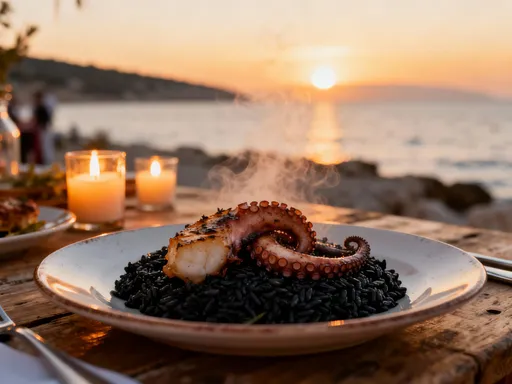
To eat in Zadar during festival season is to embark on a journey through the soul of Dalmatian cuisine. The menu is shaped by the sea, the rocky coastline, and the sun-drenched hills that surround the city. At every festival, certain dishes stand out—not just for their flavor, but for the way they are prepared and shared. Grilled octopus, for instance, is a staple that reveals both skill and patience. Tenderized by hand and slowly grilled over an open flame, it arrives on the plate with a smoky char and a texture that melts in the mouth. Drizzled with locally pressed olive oil and a squeeze of lemon, it is a dish of few ingredients but deep impact.
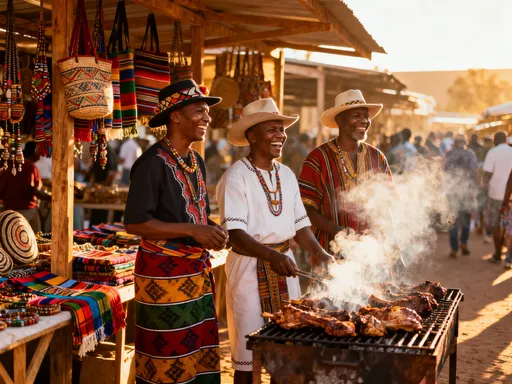
Another must-try is black risotto, or crni rižot, a dramatic-looking dish made with cuttlefish and its ink. The rice absorbs the dark pigment, turning an inky black, while the seafood infuses it with a briny richness. Cooked in large copper pots at festival stalls, it is often served in ceramic bowls, accompanied by a crisp white wine. The preparation is theatrical—vendors stir the rice with long wooden spoons, releasing clouds of aromatic steam that draw in curious onlookers. This is food meant to be seen as much as tasted, a celebration of the sea’s bounty in both color and flavor.
Salted anchovies, known locally as inćuni, are another festival favorite. Caught fresh in the cold winter months and preserved with sea salt, they are served simply—with olive oil, onions, and sometimes a slice of toasted bread. Their strong, clean taste reflects the purity of the Adriatic waters and the care taken in their preparation. Equally iconic is peka, a slow-cooked dish of meat or octopus baked under a bell-shaped lid covered in hot coals. Though more commonly found in rural areas or family homes, some festivals feature live peka demonstrations, where guests can watch the dish being uncovered after hours of cooking, revealing tender, juice-laden morsels beneath.
What ties these dishes together is their reliance on local ingredients and traditional methods. Olive oil from nearby olive groves—some trees centuries old—adds depth and fruitiness to every bite. Wild herbs like rosemary, sage, and bay leaf are foraged from the hills and used generously. Seafood is almost always line-caught or netted by small-scale fishermen, ensuring freshness and sustainability. These are not gourmet recreations—they are the real, unfiltered flavors of coastal Croatia, served with pride and passed down with love.
Beyond the Plate: Wine, Spirits, and Local Sips
No food festival in Zadar is complete without its drinks, which play an equally important role in the cultural tapestry. Croatia’s wine heritage is ancient, yet still underappreciated by many international travelers. In the hills surrounding Zadar, family-run vineyards cultivate indigenous grape varieties that thrive in the limestone-rich soil and coastal climate. At festivals, these wines are poured freely, often by the producers themselves, who stand behind wooden tables offering small glasses with a smile and a story.
Two grapes dominate the region’s offerings: Debit and Babić. Debit, a white variety, produces crisp, mineral-driven wines with notes of green apple and citrus. It pairs beautifully with seafood, cutting through the richness of grilled fish or octopus. Babić, a red grape, yields bold, tannic wines with dark berry flavors and a hint of earthiness. Aged in oak barrels, it stands up well to heartier dishes like peka or slow-roasted lamb. At wine-tasting corners during festivals, visitors can sample both, learning about the terroir and the family histories behind each bottle. These are not mass-produced labels—they are small-batch expressions of place, often made from vines that have been tended by the same family for generations.
Equally important is rakija, a fruit brandy that holds a cherished place in Croatian social life. Served in small glasses, often as a welcome drink or after-dinner digestif, rakija comes in many forms—pear (kruškovac), plum (šljivovica), and even fig or rose. At festivals, it is sometimes offered at informal tasting stands, where locals encourage guests to sip slowly and appreciate the smooth burn. Unlike commercial spirits, homemade rakija varies from batch to batch, reflecting the quality of the fruit and the skill of the distiller. It is a symbol of generosity, often shared during moments of celebration or reconciliation.
The pairing of food and drink at Zadar’s festivals is not accidental—it is instinctive. Vendors and families understand how a glass of chilled Debit elevates the taste of salted anchovies, or how a shot of warm rakija settles the stomach after a rich meal. These combinations are not written on menus; they are passed down through experience. For the thoughtful traveler, especially those who value tradition and authenticity, these sips offer a deeper understanding of Dalmatian life—one where every flavor has meaning, and every toast carries intention.
Festival Hotspots: Where the Magic Happens
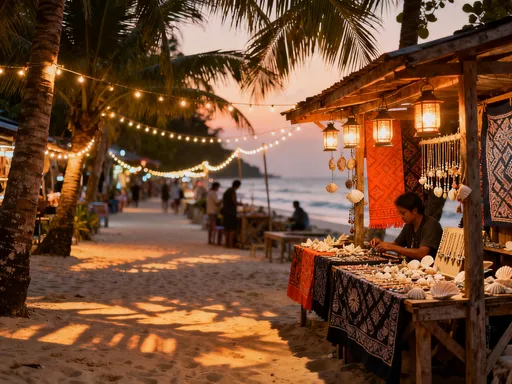
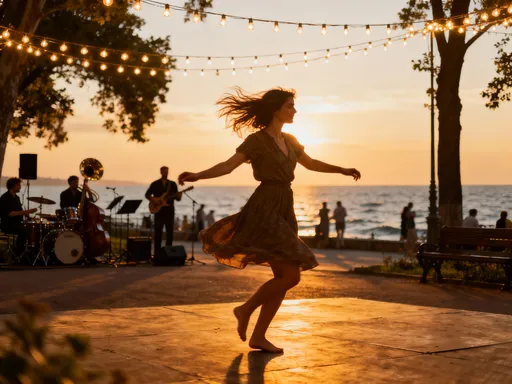
The magic of Zadar’s food festivals unfolds in spaces both grand and humble, each with its own character and charm. The People’s Square, or Narodni Trg, is often the beating heart of citywide celebrations. Framed by Baroque buildings and the historic City Guard, this open plaza transforms during festivals into a bustling hub of activity. Long tables are set up under strings of lights, live musicians play folk tunes, and the scent of grilling fish fills the air. Here, locals and visitors mingle freely, sharing dishes and stories late into the night. The atmosphere is festive but never chaotic—a testament to the city’s ability to host large gatherings with warmth and order.
Equally iconic is the Riva promenade, a seaside walkway that becomes a culinary corridor during festival season. Stretching along the waterfront, the Riva is lined with temporary food stalls, wine bars, and open-air kitchens. As the sun sets and the famous Sea Organ plays its haunting melodies, guests sit at candlelit tables, sipping wine and watching the sky turn gold. The combination of sea, music, and food creates a uniquely romantic yet communal experience—one that appeals deeply to women who appreciate beauty, balance, and meaningful connection.
But the festival spirit extends beyond the city center. Nearby villages like Nin, Sukošan, and Petrčane host their own smaller-scale events, often centered around a single ingredient or tradition. The Fish Festival in Nin, held in late summer, draws thousands with its focus on sustainable fishing and local recipes. Set in a historic town known for its salt pans and ancient church, the festival offers cooking demonstrations, boat parades, and family-friendly activities. These rural gatherings provide a quieter, more intimate alternative to the urban buzz, allowing visitors to engage directly with fishermen, farmers, and artisans.
Each venue contributes to the overall tapestry of Zadar’s food culture. The city spaces offer energy and spectacle, while the village events provide depth and authenticity. Together, they create a festival landscape that is diverse yet cohesive—a reflection of Croatia’s ability to honor both its urban vitality and rural roots. For the discerning traveler, choosing where to go depends not just on convenience, but on the kind of experience sought: lively celebration or quiet immersion.
Timing Is Everything: When to Go for Maximum Flavor
Planning a visit to Zadar’s food festivals requires more than just picking a date—it’s about aligning with the rhythm of the region. The festival season runs from late spring to early autumn, with key events clustered between May and September. May brings the first wave of celebrations, often tied to religious holidays or the arrival of warmer weather. These early-season festivals are less crowded, offering a more relaxed pace and greater access to vendors and seating. They also showcase the first harvests of wild asparagus, artichokes, and young lamb—ingredients prized for their freshness and tenderness.
Summer, particularly July and August, is the peak of festival activity. This is when the largest events take place, including the Zadar Summer Festival and the Fish Festival in Nin. The city is lively, the weather is warm, and the sea is perfect for swimming. However, these months also bring the highest number of tourists, which can mean longer lines, full accommodations, and a more commercialized atmosphere in some areas. For travelers who prefer a quieter experience, visiting just before or after the peak can offer the best of both worlds—vibrant food scenes without the overwhelming crowds.
September and early October are often overlooked but ideal for food-focused travel. The summer rush has faded, yet the weather remains mild and pleasant. Harvest festivals celebrate the grape and olive yields, with wine tastings and olive oil demonstrations becoming central attractions. The Sea Organ and Sun Salutation installations along the Riva are less crowded, allowing for peaceful evening walks between meals. This shoulder season is especially appealing to women traveling solo or with friends, offering a balance of cultural richness and personal comfort.
When planning, it’s also wise to consult local event calendars and book accommodations in advance, especially for major festivals. Many smaller events are organized by village councils or church groups and may not be widely advertised online. Asking locals or checking community boards upon arrival can lead to unexpected discoveries—like a family-run olive harvest party or a seaside grilling contest. Flexibility and curiosity are key to unlocking the full potential of Zadar’s festival calendar.
How to Eat Like a Local: Tips for the Smart Traveler
Navigating Zadar’s food festivals with confidence begins with a few practical strategies. First, arrive hungry but patient. Many of the most authentic stalls are run by small families or local cooperatives, and service may be slower than in commercial restaurants. This is not inefficiency—it’s intentionality. Meals are prepared fresh, often to order, and the wait is part of the experience. Embrace the pace, strike up a conversation, and enjoy the anticipation.
When choosing what to eat, look for stalls with long lines of locals. This is often the best indicator of quality. Avoid overly touristy stands with laminated menus in multiple languages; instead, seek out handwritten signs and simple displays of fresh ingredients. If in doubt, ask for recommendations using a few basic Croatian phrases—“Što preporučujete?” (What do you recommend?) or “Ovo je tradicionalno?” (Is this traditional?). Even a small effort to speak the language is met with warmth and appreciation.
Cash is still king at many festival stalls, especially in rural areas. While larger events may accept cards, it’s wise to carry small bills for quick purchases. Tipping is not expected but appreciated—leaving a little extra or offering a simple “hvala” (thank you) goes a long way. Portion sizes can be generous, so consider sharing dishes to sample more varieties without overeating. And don’t forget to pace yourself—festival days are long, and the best flavors often come later in the evening, when the crowd settles and the music begins.
Respectful behavior enhances the experience for everyone. Wait your turn, avoid wasting food, and show appreciation for the effort behind each dish. These festivals are not just businesses—they are expressions of cultural pride. By engaging with them mindfully, visitors honor the traditions they’ve come to enjoy. For women who value kindness, authenticity, and connection, these small acts of respect make the journey not just delicious, but deeply meaningful.
Why This Experience Stays With You
Zadar’s food festivals leave an imprint that extends far beyond the taste of grilled fish or the warmth of a shared glass of wine. They linger in the memory because they engage all the senses and touch something fundamental in the human spirit—the need for connection, belonging, and joy. These gatherings are not about perfection or presentation; they are about presence. They remind us that the simplest moments—sitting at a wooden table by the sea, laughing with strangers, passing a plate of food without words—can become the most profound.
For women who have spent years nurturing families, managing households, or balancing careers and care, these festivals offer a rare kind of nourishment—not just for the body, but for the soul. They provide a space to slow down, to savor, to be part of something larger than oneself. In the rhythm of the waves, the clink of glasses, and the stories shared over dinner, there is a quiet affirmation: life is meant to be lived with intention, with flavor, with love.
More than any souvenir or photograph, it is this feeling that stays. The realization that food is not just fuel, but a language—one that speaks of history, of land, of people. In Zadar, that language is spoken clearly, passionately, and without pretense. To experience it is to understand a place not through facts, but through feeling. And long after the journey ends, the memory of that connection—the warmth of the sun, the taste of the sea, the sound of laughter under the stars—remains, like a recipe passed down, ready to be recalled whenever the heart needs feeding.