Lost in the Rhythm: How Varna’s Festivals Stole My Soul
You know that feeling when you just wander into a city with no plan and end up living its heartbeat? That’s exactly what happened in Varna, Bulgaria. I stumbled upon street parades, open-air concerts by the Black Sea, and midnight dance circles I never expected. This coastal gem transforms during festival season into a pulsing, colorful dream. If you’re craving authentic moments where music, sea, and local life blend perfectly—Varna delivers. Let me take you through the magic.
First Impressions: Arriving in Varna Without a Map
Stepping off the train in Varna feels less like arriving at a tourist destination and more like slipping into the daily rhythm of a city that breathes with the tides. There’s no grand station fanfare, no swarm of taxis shouting for attention—just a quiet transition from rail to pavement, where the air already carries the faint salt-kissed breeze of the Black Sea. The city unfolds gently, its streets lined with pastel-hued buildings that whisper stories of empires past, from Ottoman influences to the more utilitarian lines of mid-20th-century architecture. Yet, there’s nothing stagnant about Varna. It pulses with a quiet vitality, a place where history isn’t preserved behind glass but lived alongside modern cafes, seaside promenades, and the laughter of children chasing seagulls near the marina.
What struck me most was the absence of crowds. Unlike the packed alleyways of Dubrovnik or the shoulder-to-shoulder promenades of Barcelona, Varna retains a sense of space. You can walk along the waterfront without jostling for position, sit on a bench beneath a plane tree without needing to share it with three tour groups. This openness invites exploration, especially for travelers who value spontaneity over schedules. There are no rigid itineraries here—just the suggestion of paths, the lure of music drifting from a hidden courtyard, or the sight of colorful flags fluttering above a side street you hadn’t noticed before.
The blend of old and new is seamless. Soviet-era apartment blocks stand beside boutique hotels with rooftop terraces overlooking the sea. A 2,000-year-old Roman bath complex is just steps away from a modern art gallery hosting experimental sound installations. This juxtaposition isn’t jarring—it’s harmonious, like a city that has learned to carry its past without being burdened by it. And during festival season, this balance becomes even more pronounced. The city doesn’t shut down to accommodate events; it opens up, spilling music, dance, and celebration into every corner, as if saying: Here, everyone is welcome. Just follow the rhythm.
Festival Season in Full Swing: When the City Comes Alive
From late June through August, Varna undergoes a transformation that can only be described as alchemical. The air grows warmer, the days stretch longer, and the city’s cultural calendar ignites with a series of festivals that turn public spaces into stages, parks into dance floors, and ordinary evenings into unforgettable experiences. At the heart of this seasonal awakening is the Varna Summer International Jazz Festival, a month-long celebration that draws acclaimed musicians from across Europe and beyond. What makes it remarkable isn’t just the caliber of performers—though names like Ibrahim Maalouf and Avishai Cohen have graced its stages—but the way it democratizes music. Most concerts are held outdoors, free to the public, in venues like the Sea Garden Amphitheater or along the seaside promenade.
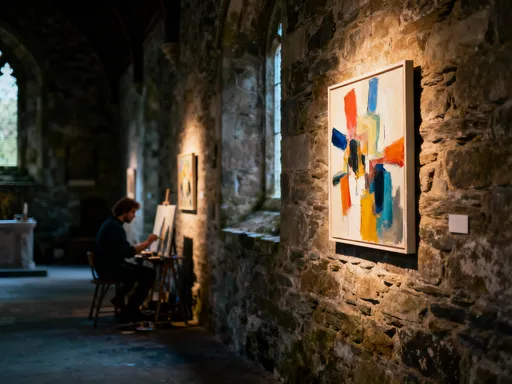
Equally vibrant is the Sea Garden Festival, a multidisciplinary event that blends music, theater, and visual arts. Over ten days in July, the entire Morska Gradina becomes a living gallery. You might stumble upon a puppet show for children near the rose garden, a contemporary dance performance on the pier, or a pop-up jazz trio playing beneath the old linden trees. The festival is deliberately inclusive, designed to engage not just tourists but local families, students, and retirees who gather on blankets with homemade lemonade and freshly baked pastries.
For those drawn to alternative sounds, the Off Festival offers a grittier, more experimental edge. Held in repurposed warehouses and underground clubs in the city’s northern districts, it showcases indie rock, electronic beats, and avant-garde performances from Balkan and Eastern European artists. Unlike commercial festivals that feel curated for Instagram, Off retains an underground spirit—raw, unpolished, and deeply authentic. Entry fees are modest, often under ten euros, and the atmosphere is one of camaraderie rather than exclusivity. These festivals don’t just happen in Varna—they become part of its identity, shaping the way residents and visitors experience the city during summer.
Wandering Through Sound: Music as Urban Exploration
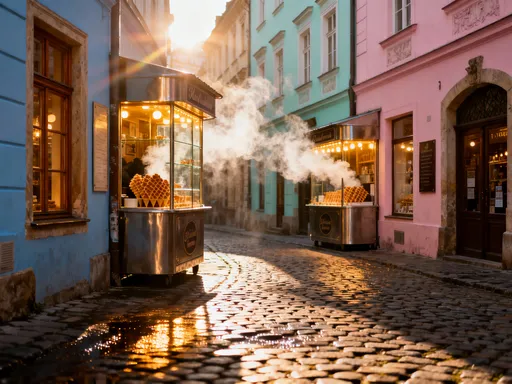
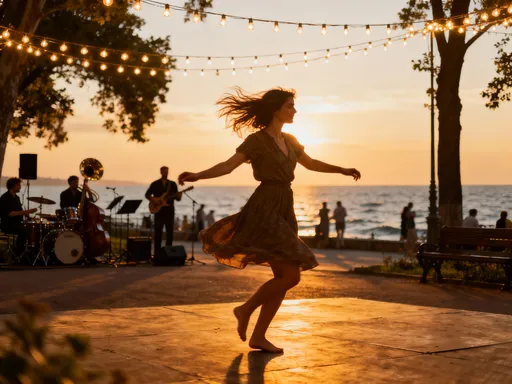
In Varna, music isn’t something you merely attend—it’s something you follow. During festival season, sound becomes a compass, guiding you through neighborhoods you might otherwise overlook. One evening, I found myself drawn down a narrow cobblestone alley by the unmistakable pulse of a drum circle. The beat grew louder with each step, echoing off centuries-old stone walls, until I emerged into a small square where a group of young locals and travelers were dancing barefoot under strings of fairy lights. No stage, no tickets—just pure, unscripted celebration.
Another afternoon, the strains of accordion and violin led me to Liberty Square, where a folk ensemble in traditional embroidered costumes was teaching a spontaneous dance lesson. Within minutes, I was holding hands with strangers, stepping in time to the rhythm of a horo, the communal circle dance common across Bulgaria. Language wasn’t necessary; the music carried the instructions. This is the magic of Varna’s festivals: they dissolve barriers. A Roma brass band playing energetic chalgа music might draw a crowd that includes elderly couples swaying arm-in-arm, teenagers filming TikToks, and tourists clapping along, wide-eyed with delight.
The sonic landscape is a mosaic of influences—Bulgarian folk rhythms layered with jazz improvisation, Balkan beats remixed with electronic synth, and Mediterranean melodies drifting in from nearby Greece and Turkey. DJs spin vinyl sets on the beach at sunset, their music blending with the crash of waves. In a city where the sea is never far, sound and water seem to conspire, creating a sensory harmony that feels both grounding and exhilarating. To walk through Varna during festival season is to be in constant conversation with the city’s soul—one note, one step, one heartbeat at a time.
The Heartbeat of the Sea Garden: Nature Meets Celebration
If Varna has a soul, it resides in the Sea Garden—Morska Gradina—a sprawling 86-acre park that stretches along the coastline like a green embrace. During festival season, this urban oasis becomes the city’s communal living room, a place where nature and celebration coexist in perfect balance. Wide walking paths lined with blooming oleander and fragrant jasmine lead to open lawns where families spread picnic blankets, children chase bubbles, and dogs trot alongside their owners. Fountains shimmer in the sunlight, their spray catching rainbows in the air, while the Black Sea glimmers just beyond the tree line.
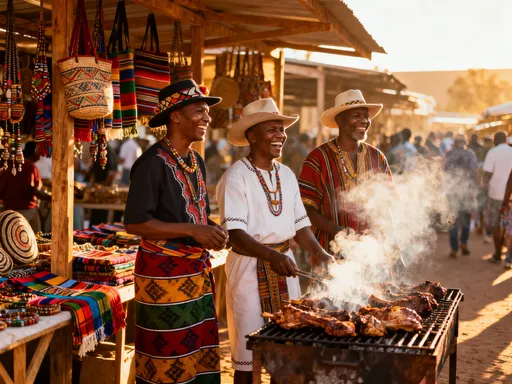
It’s here that the largest festivals take root. Stages rise organically from the landscape—some grand and professionally lit, others makeshift, with speakers balanced on wooden crates. Food trucks line the perimeter, offering local delicacies: flaky banitsa filled with feta and herbs, sizzling kebapche served with tangy lyutenitsa, and fresh mussels steamed in white wine and garlic. The scent of grilled meat and rosemary mingles with the briny sea air, creating an aroma that is, quite simply, the smell of summer in Varna.
But it’s not just about the music or the food. The Sea Garden transforms into a multisensory experience. Artists install interactive sculptures—kinetic wind pieces that sing in the breeze, light projections that dance across fountains at dusk. Children paint murals on temporary canvases, while elders sit on benches, nodding to the music, their faces softened by memory and sun. The seaside promenade, with its wide bike lanes and shaded rest areas, invites slow movement, encouraging visitors to linger rather than rush. In a world that often prioritizes efficiency over presence, the Sea Garden offers something radical: the permission to simply be. To sit. To listen. To watch the world move in rhythm with the tides.
Hidden Beats: Off-the-Beaten-Path Festival Moments
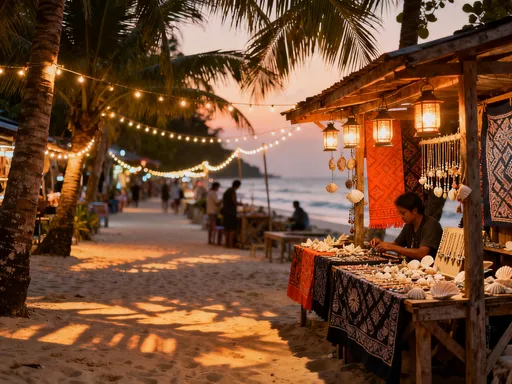
While the main festivals draw crowds, some of the most profound moments happen in the margins—in the quiet interludes between performances, in the corners the guidebooks don’t mention. One evening, seeking solitude after a long day of dancing, I wandered north along the coast toward Magurata Cove, a small, rocky inlet just beyond the city’s northern edge. What I found was a gathering of about thirty people—locals and a few fellow wanderers—on the beach, lit only by lanterns and the moon. A guitarist played soft Bulgarian ballads, while someone passed around a bottle of homemade rakia. No announcements, no schedule—just music, sea, and stillness.
Another afternoon, I ducked into a quiet courtyard in the Old Town, drawn by the sound of a single violin. Inside, a young poet was performing a spoken-word piece in Bulgarian, her voice rising and falling like a tide. Though I didn’t understand the words, the emotion was unmistakable—longing, resilience, joy. Around her, a small audience sat on stone steps, sipping tea from clay cups. This wasn’t a ticketed event; it was simply someone sharing their art, and others choosing to bear witness.
These spontaneous gatherings are not rare in Varna—they are part of the city’s cultural fabric. Lantern-lit readings on the pier, impromptu salsa lessons in a hidden plaza, acoustic sets in family-run wine cellars—such moments thrive because the city encourages them. There’s no need for permits or promotion; if you have something to share, the space will make room. For the traveler willing to wander without a map, these encounters become treasures: not just memories, but connections. They remind us that the soul of a place isn’t found in its monuments, but in its moments of quiet magic.
Local Life in Full Color: Connecting Through Culture
One of the most beautiful aspects of Varna’s festivals is how seamlessly they integrate visitors into the fabric of local life. This isn’t tourism as performance; it’s tourism as participation. At a craft market near the Roman Baths, I watched an elderly woman hand-stitch a traditional woolen belt, her fingers moving with decades of practice. When I admired her work, she smiled and gestured for me to try. With clumsy hands, I mimicked her stitches, laughing at my own ineptitude, while she patiently corrected my technique. We didn’t share a language, but we shared something deeper—a moment of mutual respect, of cultural exchange.
Elsewhere, I joined a group learning the pravo horo, a regional variation of the circle dance, led by a local dance instructor in a sunlit plaza. Within minutes, we were moving in unison, strangers linked by hands and rhythm. A young couple from Sofia taught me the footwork; a grandmother from Varna adjusted my posture with a gentle tap on the shoulder. There was no hierarchy, no judgment—only the shared joy of movement. These interactions aren’t staged for tourists; they happen because the people of Varna genuinely welcome those who show curiosity and respect.
It’s common to see families inviting visitors to share their picnic baskets, or musicians inviting passersby to try their instruments. This openness isn’t naivety—it’s a cultural value, a belief that celebration is richer when shared. In a world where travel can sometimes feel transactional, Varna offers something rare: the feeling of belonging, even if just for a few days. You don’t need to speak the language fluently or know the customs in detail. You just need to show up, with an open heart, and let the city welcome you in.
Practical Magic: Navigating Festivals with Ease
For those planning to experience Varna’s festival season, timing is everything. The peak months are June, July, and August, when temperatures hover between 25°C and 30°C (77°F–86°F) and the city is alive with events. Accommodation options are varied and affordable—family-run guesthouses in the city center offer cozy rooms with balconies overlooking the sea, while boutique hotels near the Sea Garden provide modern comforts without luxury markups. Booking in advance is recommended, especially for weekends, but last-minute stays are often possible due to Varna’s steady but not overwhelming tourist flow.
Getting around is simple. The city center is compact and walkable, and most festival venues are within a 20-minute stroll of each other. Public buses run frequently and are inexpensive, with single rides costing less than a dollar. For longer trips, bike rentals are available along the promenade, offering a scenic way to explore the coastline. The local tourism office provides a printed festival guide, and many cafes display bulletin boards with event schedules and maps. A useful tip: download the city’s official events app, which lists daily performances, venue locations, and real-time updates in both Bulgarian and English.
While it’s helpful to know what’s scheduled, the true magic lies in flexibility. Don’t overplan. Leave space in your days for the unexpected. Let a distant melody guide your steps. Say yes to invitations from friendly locals. Eat where the lines are longest—chances are, it’s a family recipe passed down for generations. Pack light: comfortable shoes for cobblestones, a light jacket for evening breezes, and a reusable water bottle to stay hydrated. Most importantly, carry an open mind. Varna rewards the curious, the patient, the willing.
Conclusion: Why Wandering Through Festivals Changes You
Leaving Varna, I didn’t just carry souvenirs or photos—I carried a shift in perspective. The days of wandering, of following music down unknown streets, of dancing with strangers under starlight, had quietly reshaped something within me. In a world that often demands productivity, precision, and planning, Varna reminded me of the power of presence, of spontaneity, of joy found in the unplanned.
The festivals didn’t just entertain—they transformed. They dissolved the boundary between visitor and local, between observer and participant. They proved that connection doesn’t require grand gestures, only openness. And they showed me that the most meaningful travel experiences aren’t the ones we schedule, but the ones we stumble into—the ones that find us when we stop looking so hard.
So if you’re seeking a destination that offers more than sights, if you crave moments that stir the soul, let Varna be your next journey. Come not with an itinerary, but with curiosity. Let the music lead you. Let the sea wind carry your worries away. And when you find yourself dancing barefoot on a moonlit beach, surrounded by laughter and song, you’ll understand: sometimes, the best way to find yourself is to get gloriously lost.