You Won’t Believe These Cologne Photo Spots – Absolute Must-Shots!
Cologne isn’t just a city – it’s a visual story waiting to be captured. From the jaw-dropping silhouette of its world-famous cathedral to hidden corners where history whispers from every brick, this riverside gem is a photographer’s dream. I wandered its streets with my camera, chasing light, angles, and authenticity. What I found were not just landmark buildings, but living postcards. If you're after stunning, share-worthy shots, you *have* to see these spots.
The Cathedral from Every Angle – More Than Just a Postcard
The Cologne Cathedral is more than a UNESCO World Heritage Site; it is the soul of the city, standing tall against the sky like a stone symphony carved over centuries. While most visitors snap photos from the front plaza, true photographic magic happens when you step beyond the obvious. The cathedral’s twin spires rise 157 meters into the air, making them visible from nearly every corner of the city, but capturing their grandeur requires thoughtful timing and positioning. Early morning light bathes the sandstone façade in a warm, golden glow, reducing harsh shadows and bringing out intricate Gothic details – from flying buttresses to delicate tracery around the rose window.
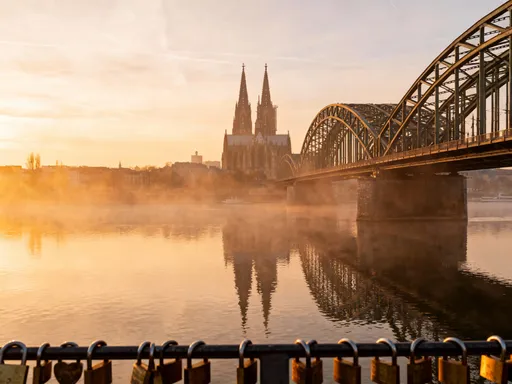
One of the most dramatic perspectives lies across the Rhine River. A short walk from the Hohenzollern Bridge along the east bank offers an uninterrupted view where the cathedral reflects perfectly in the water, especially at sunrise or under twilight skies. This vantage point allows photographers to frame the cathedral with the river in the foreground, adding depth and movement to the composition. For those seeking symmetry and scale, the Domplatte – the wide open square directly in front – remains ideal for wide-angle shots, particularly when paired with dramatic cloud formations or low winter sun angles that stretch shadows across the stone.
Lesser-known but equally powerful are the narrow alleys behind the cathedral, such as those along Kardinal-Höffner-Straße. These quiet lanes provide tight, upward compositions that emphasize the cathedral’s verticality, creating a sense of awe and intimacy all at once. Shooting from below with a tilt-shift lens can correct perspective distortion while preserving architectural accuracy. Additionally, rainy days should not deter photographers – wet cobblestones act as natural mirrors, doubling the impact of the cathedral’s reflection and adding mood to black-and-white conversions.
For nighttime photography, the cathedral’s illumination after sunset transforms it into a glowing monument. Between 6 PM and midnight, the carefully designed lighting highlights texture and form without overexposure, making it ideal for long exposures with a tripod. The contrast between the lit cathedral and the darkened surroundings creates a powerful focal point. To avoid light pollution from street lamps, position yourself slightly off-center or use a lens hood to reduce glare. Whether shot in crisp daylight or soft twilight, the Cologne Cathedral is not merely a subject – it’s a living canvas that changes with every shift in light and weather.
Hohenzollern Bridge: Where Love Locks Meet River Light
Spanning the Rhine with quiet strength, the Hohenzollern Bridge is one of Cologne’s most emotionally charged landmarks. Originally built in the early 20th century and rebuilt after World War II, it now serves as both a functional transit route and a symbolic gesture of love, thanks to the thousands of padlocks attached to its railings. These 'love locks' – left by couples from around the world – have turned the bridge into a mosaic of devotion, shimmering in the sunlight and creating a unique texture for close-up photography.
Capturing the essence of the bridge goes beyond documenting the locks. The real visual power comes from its relationship with the surrounding cityscape. On clear evenings, the setting sun aligns almost perfectly with the bridge’s western end, casting long rays across the metal framework and illuminating the cathedral in the background. This golden hour alignment offers a rare opportunity to capture both architectural icons in a single frame, with the warm light enhancing the metallic tones of the bridge and the soft pink hues of the cathedral’s stone.
For creative compositions, consider using a telephoto lens to isolate clusters of locks against the river or the sky. The variety of colors, shapes, and engravings tells countless personal stories, and macro photography can reveal surprising details – rust patterns, intertwined initials, or weathered inscriptions softened by time. Alternatively, stepping back and using a wide-angle lens allows you to include the full span of the bridge, the flowing river, and the city skyline, emphasizing scale and context.
Crowds can be a challenge, especially on weekends or during festivals. To avoid congestion, arrive early in the morning when the bridge is quieter and the air is often filled with a gentle mist rising from the Rhine. This adds a dreamlike quality to your images and enhances the reflective surface of the water. Another strategy is to shoot from the riverbanks rather than directly on the bridge, offering a lower perspective that emphasizes the structure’s height and the density of the locks. With careful timing and framing, the Hohenzollern Bridge becomes more than a tourist stop – it transforms into a poetic intersection of human emotion and urban design.
Rheinau Promenade: The City’s Scenic Backdrop
Stretching along the right bank of the Rhine, the Rheinau Promenade offers one of the most scenic vantage points in Cologne. This tree-lined riverside path connects green spaces, cultural venues, and open plazas, providing an ever-changing panorama of the city’s architectural evolution. From this perspective, the skyline unfolds like a carefully curated exhibition – historic spires stand beside modern glass towers, and the river itself acts as a dynamic mirror, reflecting light and movement throughout the day.
One of the most effective techniques for photographing from the Rheinau Promenade is to use leading lines. The curve of the riverbank, the alignment of benches, or the path itself can guide the viewer’s eye toward the cathedral or the distinctive Kranhäuser (crane houses) further downstream. During midday, when the sun is high, polarizing filters help reduce glare on the water, allowing for clearer reflections and richer colors in the sky. In autumn, golden leaves add warmth to the scene, while spring brings blooming chestnut trees that frame the skyline with soft pastel tones.
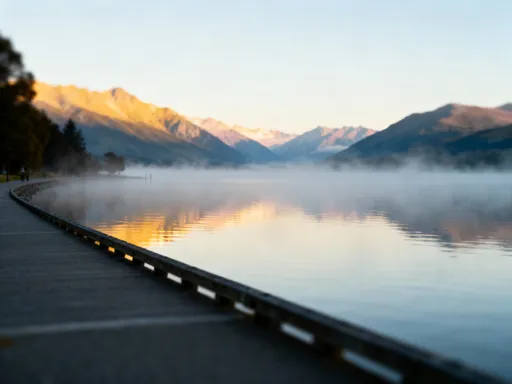
Winter mornings offer some of the most atmospheric conditions. Frost-covered grass, low fog, and the first light breaking through the clouds create a serene, almost ethereal mood. Long exposures of the flowing river during these times blur the water into a smooth, glass-like surface, enhancing reflections and giving the image a timeless quality. A tripod is essential for these shots, especially in low light, and using manual focus ensures sharpness on distant landmarks.
The promenade is also ideal for capturing the transition between old and new Cologne. Looking north, the medieval silhouette of the Old Town contrasts with the sleek curves of the Museum Ludwig and the Wallraf-Richartz Museum. To the south, the modern Rheinauhafen district emerges with its bold architecture. By choosing your shooting angle carefully, you can compose images that tell the story of a city in constant dialogue with its past. Whether you're using a smartphone or a professional DSLR, the Rheinau Promenade rewards patience and observation with endlessly varied compositions.
Altstadt’s Hidden Corners: Charm Beyond the Crowd
While the bustling streets of Cologne’s Altstadt attract thousands of visitors each year, the true character of the old city lies just out of sight – in quiet alleys, enclosed courtyards, and centuries-old doorways. These hidden corners offer a slower, more intimate experience of Cologne’s heritage, where time seems to pause and every brick tells a story. Photographers who venture beyond the main squares often discover scenes of quiet beauty: ivy-covered walls, wrought-iron lanterns, and weathered wooden doors painted in deep blues, reds, and greens.
One such gem is the Schildergasse’s side passages, where narrow lanes branch off the main shopping street and lead into forgotten courtyards. These spaces often feature half-timbered buildings with overhanging upper floors, a hallmark of medieval German architecture. Shooting these structures requires attention to perspective – using a wide-angle lens can exaggerate the tilt of the buildings, emphasizing their age and charm. Early afternoon light filters gently into these enclosed spaces, creating soft contrasts between shadow and illumination.
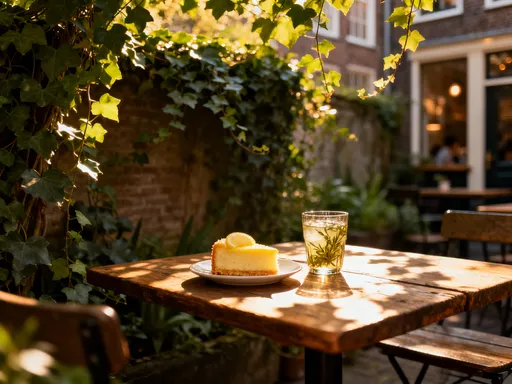
Another rewarding location is the area around Heumarkt, particularly the small square known as Alter Wartesaal. Once a waiting room for river travelers, it now hosts a quiet café surrounded by restored historic buildings. The cobblestones here are worn smooth by centuries of foot traffic, and the surrounding walls bear traces of old signage and architectural layers. A macro lens can capture the texture of the stone, while a wider shot can include the café tables and greenery, adding a sense of lived-in warmth.
For black-and-white photography, these hidden alleys are ideal. The interplay of light and shadow, the contrast between rough stone and smooth wood, and the geometric patterns of windows and railings create strong compositional elements. Shooting in monochrome removes the distraction of color and focuses attention on form, texture, and mood. These quieter parts of the Altstadt remind us that beauty often resides not in grand monuments, but in the small, overlooked details that define a city’s soul.
Modern Meets Medieval: Fotowalk Along the Rheinauhafen
The Rheinauhafen district is where Cologne boldly embraces its future without forgetting its past. Once a working harbor, this area has been transformed into a vibrant cultural and residential quarter, anchored by the striking Museum Ludwig and the iconic Kranhäuser – three ship-shaped office buildings that resemble cranes leaning over the water. This juxtaposition of old and new creates a dynamic visual landscape that is a delight for urban photographers.
The Cube Houses, designed by architect Wandel Lorch, are among the most photographed modern structures in the city. Their sharp angles and cantilevered forms stand in dramatic contrast to the soft curves of the river and the traditional rooftops nearby. To capture their full impact, shoot from a low angle using a wide lens, which enhances their height and instability, making them appear to defy gravity. Reflections in the still water of the harbor double their presence, creating symmetrical compositions that are both striking and balanced.
At dusk, the area comes alive with artificial lighting that enhances the architectural drama. The warm glow from windows contrasts with the cool blue of the evening sky, and the illuminated outlines of the buildings create strong silhouettes. Long exposure shots from the opposite bank can capture the light trails of passing boats or the subtle ripples in the water, adding movement to an otherwise static scene. Tripods are recommended, and using a remote shutter release minimizes camera shake during longer exposures.
Walking the Rheinauhafen promenade offers continuous opportunities for layered compositions. You might frame a modern glass tower with a centuries-old church steeple in the background, or capture the reflection of a sleek yacht against a backdrop of cobbled streets. This district proves that modernity and tradition need not compete – they can coexist in harmony, each enhancing the other’s beauty. For photographers, it’s a reminder that great images often arise from contrast, balance, and thoughtful framing.
Sunrise Over the Rhine: The Golden Hour Magic
There is a special kind of stillness in Cologne just before dawn – a hush that settles over the city as the first light begins to touch the spires and riverbanks. This is the golden hour, a fleeting window when the world seems softer, colors are richer, and shadows are longest. For photographers, it is the most rewarding time to shoot, offering ideal conditions for capturing the city in its most peaceful and poetic state.
As the sun rises behind the eastern hills, its light spills across the Rhine, turning the water into a ribbon of gold. Mist often rises from the cool surface, creating a dreamy atmosphere that adds depth and mystery to your images. The cathedral, still partially in shadow, glows as the light gradually climbs its façade, revealing details one by one. This slow unveiling is perfect for time-lapse sequences or a series of stills that document the transformation of light over ten to fifteen minutes.
Because the streets are largely empty at this hour, you can set up tripods without obstruction and take your time composing shots. Long exposures become possible even at moderate ISO settings, allowing for smooth water effects and sharp architectural details. The lack of pedestrians also means you can capture pristine reflections in puddles or on wet pavement after a night rain, doubling the visual impact of your compositions.
For those staying near the river, simply stepping outside with a camera can yield extraordinary results. A telephoto lens can compress the distance between the cathedral and the rising sun, creating a dramatic halo effect. A wide-angle lens, on the other hand, can include the entire riverside, with benches, trees, and boats silhouetted against the brightening sky. The golden hour is not just a technical advantage – it is an emotional one, inviting a sense of calm and wonder that translates directly into your photographs.
Putting It All Together: Your Photo Route Through Cologne
To make the most of your photographic journey, consider following a structured route that aligns with the movement of the sun and the flow of the city. Begin at the Rheinau Promenade just before sunrise, where you can capture the cathedral bathed in early light and the mist rising from the Rhine. Spend 45 minutes here, experimenting with different focal lengths and compositions.
As the sun climbs, walk north toward the Hohenzollern Bridge. Cross it slowly, stopping to photograph the love locks and the panoramic view of the Old Town. By mid-morning, head into the Altstadt, exploring side alleys and courtyards while the light is still soft and directional. Visit Heumarkt and Schildergasse’s hidden lanes, focusing on textures, colors, and intimate architectural details.
After a midday break, resume your walk toward the Rheinauhafen. Arrive by late afternoon to photograph the Cube Houses and Kranhäuser in the slanting light, which emphasizes their geometric forms and reflections. Stay until dusk, when the buildings begin to light up and the sky turns deep blue. This is the perfect time for long exposures and cityscape shots with artificial lighting.
Finally, return to the Domplatte or the opposite riverbank for a final series of twilight shots of the cathedral. As the city lights come on and the sky deepens from orange to indigo, take a moment to reflect on the journey you’ve captured through your lens. This one-day route covers the full spectrum of Cologne’s visual identity – history, emotion, contrast, and light – offering a complete narrative in images.
Cologne’s architectural soul reveals itself through the lens. With thoughtful timing and perspective, every snapshot becomes a chapter in a visual journey – not just of a city, but of light, history, and place.