You Won’t Believe What Helsinki Hides in Plain Sight
Helsinki isn’t just design and cafés—beneath its sleek surface lies a wild, untamed side most tourists never see. I stumbled upon frozen archipelagos, silent forests, and coastal cliffs that stole my breath. This city blends urban charm with raw natural beauty in ways I never expected. If you think Finland is all about northern lights and saunas, think again—Helsinki’s hidden wonders are closer, quieter, and absolutely mind-blowing. What makes this capital truly unique is not just its clean lines and minimalist style, but the way nature slips seamlessly into everyday life. Just beyond the cobblestone alleys and white-washed buildings, the Baltic Sea sparkles, pine forests whisper, and rocky shores invite quiet contemplation. For travelers seeking both comfort and connection, Helsinki offers an extraordinary balance: the ease of a walkable city paired with the soul-soothing presence of untouched wilderness.
Reimagining Helsinki: Beyond the Postcard
Helsinki is often pictured as a city of sleek architecture, designer boutiques, and cozy coffee culture. Travel brochures showcase its iconic Senate Square, the modernist Finlandia Hall, and bustling Market Square with its rainbow-striped umbrellas. While these landmarks are undeniably beautiful, they represent only one layer of the city’s identity. Beneath this polished exterior lies a surprisingly wild and natural soul—one that many visitors overlook in favor of more conventional sightseeing. The truth is, Helsinki is not just a capital of design, but a capital of access—to forests, to sea, to silence.
What sets Helsinki apart from other European capitals is its geography. Nestled along the southern coast of Finland, the city is built across a series of peninsulas and islands, with more than 300 nearby islets scattered in the Baltic Sea. This coastal configuration means that no matter where you are in the city, you are never far from water or woodland. In fact, over 70% of Helsinki’s land area is covered in green or blue space—parks, forests, lakes, and sea inlets. This proximity to nature is not accidental; it is deeply embedded in Finnish culture, where spending time outdoors is considered essential to well-being.
The fusion of urban life and natural landscape creates a rhythm that feels both modern and timeless. You can sip a latte in a minimalist café in the morning and, within 20 minutes by public transport, be hiking through a pine forest where the only sounds are birdsong and wind in the trees. This seamless integration is not just convenient—it’s transformative. It allows residents and visitors alike to live with a sense of balance, where the pressures of city life are regularly softened by moments of stillness in nature. Helsinki doesn’t just offer access to the outdoors; it invites you to make it part of your daily experience.
The Archipelago Adventure: Islands You Can’t Miss
One of Helsinki’s best-kept secrets is its archipelago—a vast network of islands that stretch like stepping stones into the Baltic Sea. While some are inhabited, many remain untouched, offering pristine landscapes of granite rock, wind-sculpted pines, and crystal-clear waters. Among the most rewarding destinations is the Nuuksio National Park, located just a 40-minute bus ride from the city center. Though not an island itself, Nuuksio serves as a gateway to the archipelago experience, with dense forests, serene lakes, and trails that wind through moss-covered boulders and quiet clearings.
For those drawn to the sea, the island chains accessible by ferry offer an even more immersive escape. Islands like Suomenlinna, Vallisaari, and Kuninkaansaari are reachable via Helsinki’s reliable public ferry system. Suomenlinna, a UNESCO World Heritage Site, is the most visited, known for its 18th-century sea fortress and scenic walking paths. But for a quieter experience, Vallisaari—reopened to the public only in 2016 after decades as a military zone—offers overgrown trails, abandoned buildings, and an almost mystical atmosphere. Wildflowers bloom between cracked concrete, and birds nest in the eaves of old barracks, creating a hauntingly beautiful blend of nature and history.
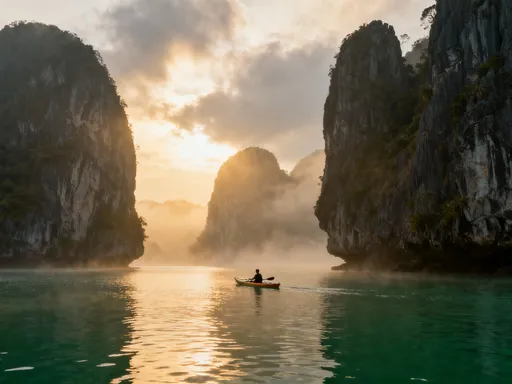
Kayaking is a particularly rewarding way to explore these islands, allowing travelers to navigate narrow channels and land on secluded shores. Rental services operate seasonally, and guided tours are available for beginners. Even swimming is possible in the clean, cold waters—locals often bring towels and jump from the rocks on warm summer days. The best time to visit is between June and August, when daylight lasts nearly 19 hours and temperatures are mild. Travelers should pack sturdy walking shoes, a waterproof jacket, and a picnic—because once you’re out there, the only dining options are the ones you bring with you.
Seaside Serenity at Pihlajasaari
If there’s one place that captures the spirit of Helsinki’s summer, it’s Pihlajasaari. This small island, just a 20-minute ferry ride from Market Square, is a beloved retreat for locals seeking sun, sea, and simplicity. Unlike crowded tourist beaches in southern Europe, Pihlajasaari has no shops, no restaurants, and no sun loungers. Instead, it offers something far more valuable: authenticity. Granite boulders warmed by the sun serve as natural loungers, families spread out blankets for picnics, and children leap into the turquoise water with joyful abandon.
The island’s charm lies in its unpretentiousness. You’ll see grandparents grilling sausages on portable stoves, teenagers playing frisbee on the grass, and couples reading books under the pines. There’s a quiet joy in the air, a sense of shared space and mutual respect for nature. The water is clean and clear, perfect for a refreshing swim, and the surrounding cliffs provide shelter from the wind. A marked trail loops around the island, offering panoramic views of the archipelago and glimpses of seabirds diving for fish.
What makes Pihlajasaari special is not just its beauty, but its accessibility. It’s easy to reach, free to visit, and open to all. There are basic toilet facilities and a small kiosk during peak season, but otherwise, visitors are expected to follow the Finnish principle of “everyman’s right”—the legal and cultural understanding that everyone has the freedom to enjoy nature responsibly. This means leaving no trace, respecting wildlife, and keeping noise levels low. For families, it’s an ideal destination: safe, peaceful, and full of opportunities for simple pleasures like building cairns, skipping stones, or watching the sunset from the eastern shore.
Nature’s Pulse in Urban Parks
While the islands offer a full escape, Helsinki’s urban parks provide daily doses of nature for those who prefer shorter outings. These green oases are not afterthoughts—they are central to the city’s design and identity. Parks like Keskuskartano, Vanhankaupunginlahti, and Kaivopuisto are more than decorative spaces; they are living ecosystems where city dwellers reconnect with the rhythms of the natural world. In spring, lilacs bloom in fragrant clusters; in autumn, the trees blaze with gold and crimson; in winter, snow blankets the paths, turning them into quiet corridors for walkers and cross-country skiers.
Keskuskartano Park, located in the Munkkiniemi district, is a favorite among locals for its forested trails and birdwatching opportunities. The park borders a nature reserve where woodpeckers, thrushes, and even owls can be spotted with a little patience. A wooden observation tower offers a panoramic view of the surrounding wetlands, where reeds sway in the breeze and ducks glide across the water. Vanhankaupunginlahti, one of Helsinki’s oldest green areas, is equally rich in biodiversity. Once a farming village, it now serves as a protected bay and bird sanctuary, attracting migratory species like swans, herons, and cranes.
These parks are designed to be used, not just admired. Wide, well-maintained paths accommodate strollers, wheelchairs, and bicycles, making them inclusive spaces for people of all ages and abilities. Benches are thoughtfully placed for rest and reflection, and informational signs educate visitors about local flora and fauna. The city also maintains outdoor exercise stations and small playgrounds, ensuring that families can enjoy active time together. For many residents, a daily walk through one of these parks is as essential as morning coffee—a small ritual that grounds them in the present and clears the mind. In a world that often feels rushed and artificial, these spaces offer something rare: a chance to breathe deeply and move slowly.
Winter’s Magic: Frozen Landscapes and Ice Paths
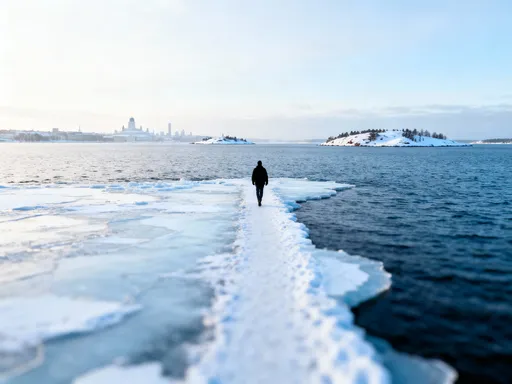
When winter arrives, Helsinki undergoes a quiet transformation. The sea freezes, the snow muffles the city’s sounds, and the parks turn into silent wonderlands. What might seem like a barrier to outdoor life becomes, in Finland, an invitation to new kinds of exploration. The archipelago, once navigated by boat, can now be crossed on foot or skis when the ice is thick enough. Designated ice paths are marked and monitored for safety, allowing adventurous travelers to walk from one island to another across a frozen sea.
One of the most striking winter experiences is witnessing the ice swimmers—locals who plunge into the frigid waters even in subzero temperatures. Often following a visit to a public sauna, they emerge from wooden huts, wrap themselves in towels, and sprint into holes cut in the ice. This practice, deeply rooted in Finnish tradition, is believed to boost circulation, strengthen the immune system, and sharpen the mind. While not for everyone, it’s a powerful symbol of resilience and connection to nature. Visitors can observe from a distance or, with proper preparation, try it under supervision at designated spots like the Allas Sea Pool.
Winter also brings unexpected wildlife sightings. Roe deer and hares are often seen near the edges of the city, especially in forested areas like Nuuksio, where they forage for food under the snow. Tracks in the fresh powder tell stories of nocturnal visitors, and quiet moments on a trail might reveal a fox darting between trees or a woodpecker tapping on a frozen trunk. For safe winter exploration, travelers should dress in layers, wear insulated, waterproof boots, and carry a charged phone. The city provides real-time updates on ice conditions and trail safety, ensuring that adventure never comes at the cost of well-being.
Sustainable Access: Eco-Friendly Ways to Explore
Helsinki’s commitment to nature extends beyond preservation—it includes thoughtful access. The city has invested heavily in sustainable transportation options that allow residents and visitors to enjoy the outdoors without relying on cars. Electric ferries connect the mainland to the islands, producing zero emissions and running on renewable energy. The HSL public transit system integrates buses, trams, and ferries into a single ticketing network, making it easy to plan car-free adventures. Bike-sharing programs like Helsinki City Bikes operate year-round, with stations located near parks, marinas, and transport hubs.
Hiking trails are clearly marked with color-coded signs and distance indicators, ensuring that even solo travelers can navigate safely. Information boards at trailheads provide maps, seasonal tips, and reminders about local wildlife. The city also maintains a digital platform—Visit Helsinki’s outdoor guide—that offers real-time updates on trail conditions, ferry schedules, and event calendars. This level of organization reflects a broader philosophy: that nature should be accessible to everyone, regardless of income, age, or ability.
What’s more, Helsinki actively protects its natural areas through zoning laws and conservation programs. New developments are required to include green spaces, and construction near sensitive ecosystems is strictly regulated. The city has pledged to become carbon neutral by 2035, with outdoor accessibility playing a key role in reducing car dependency. By making it easy and pleasant to walk, cycle, or take a ferry, Helsinki encourages a lifestyle that is not only eco-friendly but also deeply satisfying. For the environmentally conscious traveler, this commitment is both reassuring and inspiring—a model of how cities can grow without sacrificing their connection to nature.
Why These Wonders Matter: Connecting with Nature in the City
The hidden natural wonders of Helsinki are more than just scenic escapes—they are essential to the city’s soul. In a world where urban life often feels disconnected from the earth, Helsinki offers a different vision: one where nature is not an occasional luxury, but a daily companion. Studies have shown that regular exposure to green and blue spaces reduces stress, improves mood, and enhances cognitive function. In Finland, this is not just science—it’s common sense. The concept of “friluftsliv,” or open-air living, is woven into the national identity, passed down through generations like a cherished heirloom.
For women, especially those managing the demands of family, work, and self-care, this access to nature can be profoundly restorative. A morning walk in the park, an afternoon picnic on an island, or a quiet moment watching the ice form on a bay—these small acts of presence offer a chance to reset, reflect, and reconnect. They remind us that well-being is not found in constant productivity, but in moments of stillness and beauty. Helsinki’s model shows that cities can be designed to support this balance, where convenience and tranquility coexist.
Travelers who come to Helsinki expecting only museums and modern design will find themselves pleasantly surprised. The city’s true magic lies in its ability to offer both cultural richness and natural intimacy. It invites you to slow down, to look closely, to listen. It asks you to step off the main streets and into the forest, to leave the crowd and find a quiet rock by the sea. In doing so, you don’t just see a new place—you remember a part of yourself. Helsinki’s hidden wonders are not just places on a map. They are invitations—to breathe, to be still, to belong. And that, perhaps, is the most mind-blowing discovery of all.