You Won’t Believe These Hidden Photo Spots with Killer Food in The Hague
If you think The Hague is just politics and palaces, think again. I stumbled upon a side of this Dutch city that’s bursting with color, flavor, and Insta-worthy moments at every corner. From secret garden cafés to coastal viewpoints with gourmet bites, The Hague blends scenic charm with culinary surprise. These aren’t your average tourist traps—they’re real local favorites where great food and perfect photos go hand in hand. Let me take you to the spots that made my trip unforgettable.
Discovering The Hague Beyond the Postcard
The Hague often appears in travel guides as the seat of Dutch governance, home to royal residences and international courts. Yet beneath this formal surface lies a city pulsing with creative energy, coastal light, and a culinary scene that quietly rivals Amsterdam’s. For travelers seeking more than monuments and museums, The Hague offers a different rhythm—one measured in morning light filtering through tree-lined boulevards, in the scent of fresh bread from corner bakeries, and in the soft crunch of gravel beneath your feet in hidden courtyards. This is a city where urban elegance meets seaside ease, and where every alleyway might open into a sun-dappled square with a table set for two.
What sets The Hague apart is its balance. It’s cosmopolitan without being overwhelming, historic without feeling frozen in time. The city’s multicultural fabric—woven with Indonesian, Surinamese, and Middle Eastern influences—adds depth to both its streetscapes and its menus. A short walk from the Binnenhof, you might find yourself in a neighborhood where the aroma of spiced rijsttafel fills the air, or where a modern art installation stands beside a 17th-century canal house. This blend of old and new, formal and free-spirited, creates a visual and sensory richness that rewards slow exploration.
Photographically, The Hague is a gift. The soft northern light, especially in late spring and early autumn, wraps buildings in a golden haze, enhancing textures and casting long, dramatic shadows. Pastel-colored facades, cobblestone paths, and blooming chestnut trees provide natural framing for both candid and composed shots. Meanwhile, the city’s proximity to the North Sea means coastal elements—dunes, boardwalks, and ever-changing skies—are never far away. For those willing to wander beyond the guidebook, The Hague reveals itself not as a static capital, but as a living canvas where food, light, and landscape converge.
Scheveningen Beach & Pier: Where Sea Breezes Meet Food Trucks
No visit to The Hague feels complete without a trip to Scheveningen, the city’s vibrant seaside district. Here, the energy shifts from quiet elegance to lively coastal charm. The wide sandy beach, stretching endlessly under open skies, is a magnet for locals and visitors alike. But it’s the combination of dynamic scenery and on-the-go gourmet experiences that makes Scheveningen a standout for both photographers and food lovers. As the sun begins its descent, casting a warm glow over the waves, the promenade comes alive with strollers, cyclists, and families gathering for fish sandwiches and freshly fried snacks.
The pier, with its sleek modern design and sweeping views, is a prime spot for golden-hour photography. The contrast between the raw power of the North Sea and the clean lines of the architecture creates compelling visual tension. Long exposures of crashing waves against the steel pylons produce dramatic motion blur, while candid shots of people silhouetted against the sunset add human warmth to the scene. For those using smartphones, the reflective surfaces of the water and glass railings offer endless opportunities for creative framing and natural light play.
But the real magic happens when you pair the view with a bite. Along the promenade, a series of food kiosks and mobile trucks serve up Dutch classics with a modern twist. Try the *kibbeling*—crispy battered white fish—served in a paper cone with a tangy remoulade, best eaten while watching the waves. Or go for the *haring* experience: raw herring served with onions and pickles, a true Dutch rite of passage. For something heartier, gourmet fries loaded with smoked cheese, truffle oil, or pulled chicken are widely available and perfect for sharing. These aren’t mere snacks—they’re edible souvenirs that ground your experience in local flavor.
Timing is key. Arrive an hour before sunset to secure a good vantage point and enjoy your meal as the sky transforms. Weekday evenings are less crowded, offering more space for unhurried shots. And don’t forget to look back toward the shore—the illuminated Ferris wheel and seaside hotels create a glittering backdrop as night falls. Scheveningen proves that seaside dining doesn’t have to mean compromise; here, great food and great photos coexist in perfect harmony.
Plein and Groenmarkt: Urban Energy with Outdoor Dining
At the heart of The Hague’s social life lies Plein, a bustling square surrounded by cafés, restaurants, and historic buildings. Just steps away, Groenmarkt—once a farmers’ market—now hosts a mix of boutique vendors and open-air seating, creating a lively urban oasis. Together, these spaces form the city’s living room, where residents gather for coffee in the morning, craft beer at noon, and wine as the sun sets. For photographers, the area offers a wealth of candid moments: friends laughing over shared plates, street musicians performing under chestnut trees, and sunlight dancing across cobblestones.
The architecture here tells a story of continuity and change. 17th- and 18th-century facades stand alongside modern interventions, creating a layered visual narrative. The mix of brick, stucco, and ironwork provides rich texture for close-up shots, while the symmetry of the square allows for strong compositional lines. Early morning is ideal for capturing the space before it fills—empty chairs, steaming coffee cups, and the first rays of light hitting the church spire across the square. As the day progresses, the scene evolves into a mosaic of movement and color, perfect for street photography.
Dining at Plein and Groenmarkt is as much about atmosphere as it is about taste. Many restaurants extend their terraces into the square, blurring the line between public space and private enjoyment. Start with a flat white at a specialty coffee shop, where baristas take pride in their pour-over techniques and house blends. By midday, the air fills with the scent of grilled vegetables, rosemary flatbreads, and herb-roasted chicken. Local wines and Belgian-style ales are popular choices, often served in handcrafted glassware that catches the light beautifully.
Seasonal markets add another layer of charm. In spring, flower stalls burst with tulips and hyacinths; in autumn, pumpkin displays and spiced cider stands appear. These temporary installations transform the square into a living postcard, offering both visual interest and seasonal flavors. Whether you’re photographing a vendor arranging bouquets or capturing the golden glow of string lights at dusk, Plein and Groenmarkt remind us that cities thrive not in grand gestures, but in the quiet rituals of daily life.
Het Strijkijzer: A Hidden Garden Café with Fairytale Vibes
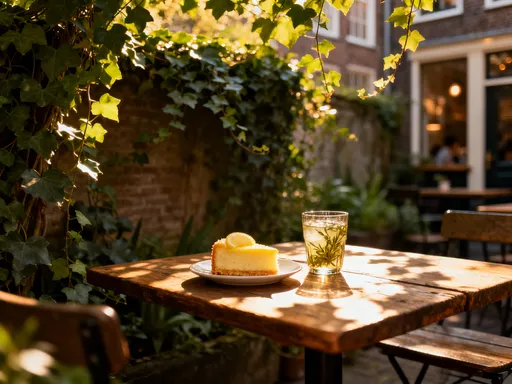
Tucked away near Haagse Bos, one of the city’s largest green spaces, Het Strijkijzer is the kind of place you’d miss if you weren’t looking for it. Nestled in a former laundry building, this café feels like a secret garden frozen in time. Ivy climbs the brick walls, wooden tables sit beneath chestnut trees, and sunlight filters through the leaves in soft, dappled patterns. It’s the perfect setting for natural-light photography—no filters needed. The atmosphere is hushed, intimate, as if the outside world has been gently paused.
Photographers will appreciate the soft focus and warm tones that emerge here, especially on overcast days when the light is even and diffused. The contrast between the rustic architecture and the lush greenery creates a storybook quality, ideal for portraits or still-life shots of coffee cups, notebooks, or slices of cake. The café’s vintage charm—old signs, mismatched chairs, and flower-filled window boxes—adds authenticity to every frame. Because it’s off the main tourist path, crowds are minimal, allowing for relaxed, unposed photography.
The menu at Het Strijkijzer is simple but deeply satisfying. Homemade soups—carrot-ginger, tomato-basil, or lentil with rosemary—are served in thick ceramic bowls, steam rising in gentle curls. Freshly baked bread, often sourdough from a local bakery, accompanies every dish. The lemon cake is legendary: moist, tart, and dusted with powdered sugar, it pairs perfectly with a cup of herbal tea infused with mint or chamomile. Even the water is thoughtfully presented, served with cucumber slices and lemon in a glass jug that sparkles in the sunlight.
What makes Het Strijkijzer special is its invitation to slow down. There’s no rush, no pressure to check a phone or chase the next destination. You can sit for an hour or two, journaling, reading, or simply watching the light shift across the garden. For travelers accustomed to packed itineraries, this is a rare gift—a moment of stillness that becomes its own kind of memory. And in that stillness, the best photos often emerge: not the posed ones, but the quiet, unguarded moments between sips and glances.
De Passage: Elegant Architecture and Pastry Stops
Step into De Passage, and you enter a world of 19th-century elegance. This covered shopping arcade, one of the oldest in the Netherlands, is a masterpiece of iron and glass. Sunlight streams through the arched glass ceiling, casting geometric patterns on the polished stone floor. The symmetry of the walkway—flanked by ornate shopfronts and hanging lamps—makes it a dream for architectural photography. Long exposures at midday can emphasize the play of light and shadow, while wide-angle shots capture the full sweep of the space.
But De Passage is more than a visual delight—it’s a gateway to some of The Hague’s finest culinary offerings. Along its length, you’ll find specialty chocolatiers, artisanal bakeries, and tea houses that take pride in their craft. One shop offers hand-painted macarons in seasonal colors, each a tiny work of art. Another bakes *appeltaart* the traditional Dutch way—deep, cinnamon-laced, and loaded with tender apple slices. These aren’t just treats; they’re edible expressions of Dutch heritage, best enjoyed at a small table near the arcade’s central courtyard.
For photographers, the challenge—and joy—lies in capturing both the grandeur and the details. A wide shot of the arcade’s length shows its imposing symmetry, while close-ups of gilded signs, lace curtains, or a perfectly plated dessert reveal its intimate charm. The interplay between natural and artificial light creates depth, especially in the late afternoon when the sun slants through the glass at an angle. Reflections in shop windows add another layer, allowing for double exposures and layered compositions.
Pair your visit with a stop at a nearby tea salon, where loose-leaf blends are served with delicate pastries on floral china. The ritual of pouring, stirring, and sipping becomes part of the experience—a moment to pause and absorb the surroundings. De Passage proves that beauty and flavor can coexist in the most unexpected places, and that sometimes, the most memorable meals happen not in grand restaurants, but in quiet corners beneath a glass sky.
Kijkduin: The Quiet Coast with a Culinary Twist
If Scheveningen is The Hague’s lively beachfront, Kijkduin is its serene counterpart. Located to the southwest of the city center, this stretch of coastline is quieter, more refined, and deeply photogenic. The dunes roll gently toward the sea, dotted with beach huts painted in soft blues and grays. Wooden walkways wind through the grass, guiding visitors to secluded viewpoints. The air is cleaner here, the sounds more muted—just the rustle of reeds and the distant cry of seagulls. It’s a place designed for contemplation, for long walks and quiet meals with a view.
Photographically, Kijkduin offers a minimalist aesthetic. The clean lines of the dunes, the repetition of beach huts, and the vast expanse of sky create a sense of calm and order. Black-and-white conversions work especially well here, emphasizing texture and form. Early morning fog can transform the scene into something ethereal, while late afternoon light warms the sand and casts long shadows across the boardwalk. Because it’s less crowded, you can take your time composing shots without feeling rushed or obstructed.
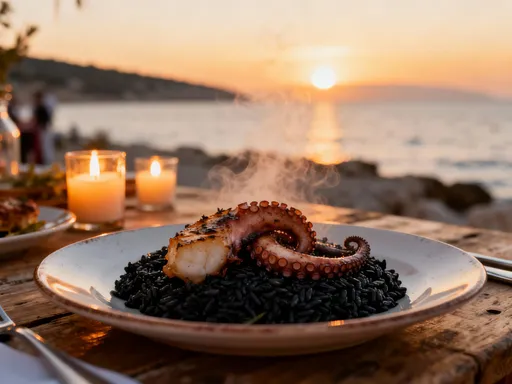
The culinary highlight of Kijkduin is a beachfront restaurant that focuses on seasonal, locally sourced ingredients. The menu changes monthly, reflecting what’s fresh from the North Sea and nearby farms. Think grilled mackerel with fennel salad, or roasted beetroot with goat cheese and hazelnuts. The presentation is understated but elegant—white plates, simple garnishes, natural wood serving boards. Every dish feels intentional, a reflection of the surrounding landscape.
Dining here is an immersive experience. You eat with the sound of waves in the background, your eyes drawn to the horizon as the sun dips below the sea. The pace is slow, the service attentive but unobtrusive. It’s the kind of meal that lingers in memory not just for its taste, but for the way it made you feel—connected, grounded, present. For photographers, the setting offers a rare opportunity: to capture not just a meal, but a mood, a moment suspended in time.
Practical Tips for Capturing the Moment & Savoring It
While The Hague offers endless photo opportunities, getting the most out of your visit requires a bit of planning—and a lot of presence. First, consider your gear. A mirrorless camera with a prime lens will give you beautiful depth of field and low-light performance, but don’t underestimate the power of a modern smartphone. Many of the best shots come from being ready in the moment, not from having the most expensive equipment. Use natural light whenever possible, and don’t be afraid to shoot into the sun for dramatic backlighting.
Golden hour—roughly the first and last hour of sunlight—is your best friend. In The Hague, this light is especially soft and warm, enhancing colors without harsh contrasts. Aim to visit Scheveningen and Kijkduin during these times for the most atmospheric shots. For indoor spaces like De Passage, midday light is ideal, when the sun is high enough to flood the arcade with even illumination.
Respect is key. While it’s tempting to photograph every charming corner, remember that these are real places where people live and work. Avoid intrusive shots of diners or private spaces. If you’re photographing people, a smile and a nod go a long way. Many locals are happy to be included if asked politely. Always be mindful of signage, especially in protected areas like the dunes, where trampling vegetation can cause lasting damage.
Finally, don’t let the pursuit of the perfect photo overshadow the experience itself. Put the camera down. Taste the lemon cake. Feel the sea breeze. Laugh with your companion. The best memories aren’t always the ones you capture—they’re the ones you live. Mindful travel means being fully present, letting moments unfold naturally. When you do that, the photos you take become more meaningful, not because they’re technically perfect, but because they’re infused with genuine emotion.
Conclusion: Why The Hague Stole My Lens and My Heart
The Hague doesn’t shout. It doesn’t need to. Its beauty is in the details—the way light falls on a cobblestone street, the warmth of a handshake at a family-run café, the quiet crunch of sand beneath your shoes at dusk. This is a city that reveals itself slowly, to those willing to look beyond the surface. It’s a place where politics and poetry coexist, where every meal feels like a celebration, and where every corner holds the promise of a perfect frame.
What stayed with me wasn’t just the photos I took, but the way I felt while taking them—calm, curious, connected. The Hague taught me that travel isn’t about checking off landmarks, but about engaging all the senses. A single bite of herring on the pier, a slice of appeltaart beneath a glass ceiling, a quiet moment in a garden café—each became a story, a memory, a piece of a larger journey.
So if you’re planning your next trip, look closer. Wander past the postcard sights. Follow the scent of fresh bread. Let a side street lead you to a hidden courtyard. The best destinations don’t always announce themselves. Sometimes, they whisper. And if you’re lucky, they’ll leave their mark—not just on your camera roll, but on your heart. The Hague did that for me. It might just do it for you, too.