Where Nature Meets the Mediterranean: Tangier’s Untamed Beauty
Tangier, Morocco, is more than a crossroads of cultures—it’s a gateway to breathtaking natural wonders. Where the Atlantic kisses the Mediterranean, dramatic cliffs, hidden coves, and wild coastal trails await. I’ve explored its untamed landscapes, and honestly, the raw beauty surprised me. This isn’t just a city; it’s an adventure. From sea caves carved by time to quiet beaches only locals know, Tangier offers something rare: nature that feels untouched and alive. With its sweeping headlands, whispering pine forests, and waves that crash with centuries of stories, this coastal jewel invites quiet reflection and deep connection. For those seeking both serenity and discovery, Tangier delivers an experience that lingers long after the journey ends.
The Edge of Two Worlds: Tangier’s Unique Geography
Tangier occupies a rare and powerful position on the map—the northernmost tip of Morocco, where the Atlantic Ocean converges with the Mediterranean Sea. This meeting of waters is not just poetic; it is a dynamic geological and climatic phenomenon that shapes every aspect of life in the region. The narrow Strait of Gibraltar, just 14 kilometers (9 miles) wide at its narrowest point, acts as a natural funnel, channeling marine currents, migratory bird patterns, and maritime trade routes. The resulting mix of maritime influences creates a temperate climate with mild winters and warm, dry summers, making Tangier an ideal destination year-round.
The city's location at the junction of two continents—Africa and Europe—adds to its ecological richness. This biogeographical crossroads allows species from both regions to coexist, creating a unique blend of flora and fauna. The Atlantic side tends to be cooler and wetter, supporting lush vegetation, while the Mediterranean coast is drier and sun-drenched, home to hardy shrubs and aromatic herbs. These microclimates contribute to the area’s biodiversity and make outdoor exploration especially rewarding across different seasons.
Winds play a significant role in shaping Tangier’s natural environment. The Levante, a strong easterly wind, sweeps in from the Mediterranean, often bringing humidity and haze, while the Poniente, a westerly breeze, arrives cooler and clearer from the Atlantic. Locals have long adapted to these patterns, and travelers can benefit from understanding them when planning hikes, beach visits, or photography outings. The tides, too, are influenced by this dual-ocean system, creating dramatic wave action along rocky shores and exposing hidden tide pools during low water.
From a geological standpoint, the region is part of the Rif mountain range, formed by the collision of the African and Eurasian tectonic plates. This ancient upheaval has left behind rugged cliffs, limestone formations, and sea caves that continue to be shaped by erosion. The land here feels alive—constantly shifting, breathing with the rhythm of wind and water. For nature lovers, this dynamic interplay between earth, air, and sea makes Tangier not just a destination, but a living laboratory of natural forces.
Cap Spartel: Where the Oceans Collide
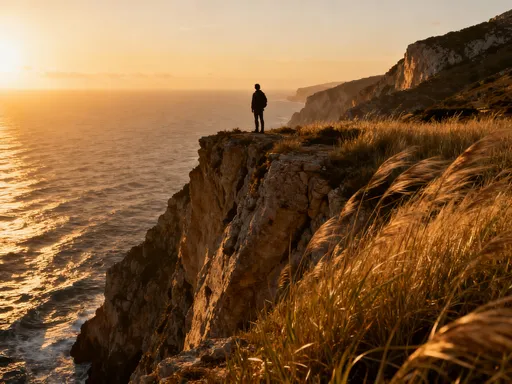
Rising above the churning waters at the northwestern edge of the African continent, Cap Spartel is one of Tangier’s most iconic natural landmarks. Home to a historic lighthouse built in 1864, this windswept promontory marks the precise point where the Atlantic Ocean meets the Mediterranean Sea. Standing at the cliff’s edge, visitors are greeted by panoramic views that stretch endlessly across two bodies of water, each with its own character—the deep blue Atlantic rolling in with powerful swells, and the calmer, turquoise Mediterranean lapping gently against rocky shores.
The lighthouse itself, painted in striking white and ochre, continues to guide ships through the busy Strait of Gibraltar. Managed by the Moroccan navy, it stands as a symbol of maritime safety and human resilience against the elements. But beyond its functional role, Cap Spartel offers a deeply sensory experience. The sound of waves crashing against the cliffs below, the scent of salt and wild thyme in the air, and the cool breeze off the sea combine to create a moment of pure presence. It is a place that invites stillness, reflection, and awe.
Surrounding the lighthouse is a protected forest of cork oak and Aleppo pine, providing shade and shelter for birds, reptiles, and small mammals. Well-maintained walking paths wind through the trees, making the area accessible for visitors of all ages. These trails offer changing perspectives of the coastline, with lookout points perfect for photography or quiet contemplation. In spring, the underbrush bursts into bloom with wildflowers, including bright poppies and delicate asphodels, adding color to the green canopy.
One of the most fascinating features near Cap Spartel is Hercules’ Cave, a sea-eroded grotto shaped like the map of Africa. According to local legend, this was the resting place of the mythological hero Hercules during his labors. While the story is ancient, the cave remains a popular stop for visitors drawn to its natural acoustics and mystical atmosphere. The roar of the waves echoes powerfully inside, creating a hauntingly beautiful soundscape. Access to the cave is safe during low tide, but caution is advised, especially with children.
For the best experience, visit Cap Spartel in the late afternoon. The crowds thin out after midday tours, and the light becomes golden as the sun begins its descent. Sunset here is nothing short of magical—the sky transforms into hues of amber, rose, and lavender, reflecting off the water in shimmering ribbons. Photographers should bring a tripod for long exposures, and all visitors are encouraged to carry water, wear comfortable shoes, and respect the natural surroundings by leaving no trace.
Hidden Beaches You Won’t Find on Tourist Maps
Away from the well-trodden paths and bustling city beaches, Tangier harbors a collection of secluded coastal gems known primarily to locals and seasoned explorers. These hidden beaches offer a rare sense of solitude, where the only sounds are the rhythm of the waves and the cry of gulls overhead. Unlike the more developed stretches of sand, these coves remain largely untouched, preserving the wild essence of Morocco’s northern coastline.
One such treasure is Plage Sidi Kacem, a crescent-shaped beach nestled between steep cliffs and accessible via a narrow dirt trail. The water here is strikingly clear, revealing pebbles and seaweed swaying gently beneath the surface. The surrounding red-rock formations provide natural shade, and the absence of vendors or facilities enhances the feeling of escape. Because it requires a short hike to reach, the beach sees few visitors, making it ideal for those seeking peace and natural beauty. Swimming is safe in calm conditions, but the entry can be rocky, so water shoes are recommended.
Another lesser-known spot lies near Cap Malabata, east of the city center. A series of small coves can be found by following the coastal path from the old lighthouse ruins. These pockets of sand and stone are framed by dramatic rock arches and sea stacks, sculpted by centuries of wave action. At low tide, tidal pools emerge, teeming with small crabs, sea anemones, and colorful fish. Children delight in exploring these miniature ecosystems, but care should be taken not to disturb the delicate balance of life within them.
One of the most rewarding aspects of visiting these hidden beaches is the sense of discovery. There are no signs, no lifeguards, and no souvenir stalls—just nature in its purest form. However, this also means visitors must be self-reliant. It is essential to bring enough drinking water, sun protection, and a fully charged phone for emergencies. Local guidance is highly recommended, especially for first-time explorers, as some paths can be overgrown or unclear.
Equally important is the responsibility to protect these fragile environments. Many of the beaches are surrounded by dunes that stabilize the coastline and provide habitat for native plants like sea daffodils and marram grass. Stepping off marked paths can damage these ecosystems, so staying on trails is crucial. Additionally, all trash should be carried out, and plastic use minimized. By visiting mindfully, travelers help ensure these quiet sanctuaries remain unspoiled for future generations.
The Wild Trails of the Tangier Peninsula
For those who prefer to travel on foot, the Tangier peninsula offers a network of scenic hiking trails that reveal the region’s natural diversity in a deeply personal way. These paths wind through coastal bluffs, pine forests, and rolling hills dotted with wild herbs, offering panoramic views and intimate encounters with nature. Unlike crowded tourist sites, these trails provide space for quiet reflection, physical challenge, and a slower, more meaningful connection to the landscape.
One of the most accessible routes begins near Cap Spartel and follows the coastline eastward toward Achakar. This moderate trail takes about two to three hours round-trip and is suitable for hikers of all levels. The path alternates between shaded forest sections and open cliffside stretches, where the wind carries the scent of thyme and rosemary. Along the way, benches and lookout points invite rest and contemplation, while the constant sound of waves below provides a soothing soundtrack.
For a more immersive experience, the inland trails near Martil Valley offer a different perspective. Here, the terrain becomes gentler, with wide-open fields and traditional farming terraces. In spring, the hillsides explode with color as wildflowers bloom—yellow broom, purple lavender, and red poppies create a patchwork that stretches to the horizon. Birdwatchers will appreciate the presence of kestrels, hoopoes, and bee-eaters, which thrive in this undisturbed habitat.
Seasonal timing is key to enjoying these trails at their best. Spring (March to May) is widely considered the ideal time, when temperatures are mild, wildflowers are in bloom, and the air is fresh. Autumn (September to November) also offers pleasant conditions, with fewer tourists and clear skies. Summer can be hot, especially on exposed sections, so early morning hikes are advisable. Winter brings rain, which can make some paths muddy, but the landscape becomes lush and green, and the dramatic skies add a sense of grandeur.
Preparation is essential for a safe and enjoyable hike. Sturdy footwear with good grip is recommended, particularly on rocky or uneven terrain. Carrying at least one liter of water per person, sunscreen, a hat, and a light rain jacket ensures protection from the elements. While many trails are well-trodden, navigation tools such as a printed map or offline GPS app are wise choices, as mobile signal can be spotty in remote areas. Travelers should also inform someone of their route and expected return time, especially when venturing off main paths.
What sets these trails apart is not just their beauty, but the sense of discovery they foster. Each bend in the path reveals a new vista—a hidden cove, a lone fig tree clinging to a cliff, or a shepherd guiding his flock across a hillside. This is slow travel at its finest, where the journey itself becomes the destination.
Flora and Fauna: Nature’s Quiet Wonders
Despite its growing urban presence, Tangier remains a haven for biodiversity. The region’s varied topography and climate support a surprising array of plant and animal life, much of which goes unnoticed by the casual visitor. From aromatic herbs that perfume the hillsides to migratory birds that pause here on their long journeys, Tangier’s natural world operates on a quiet, steady rhythm that rewards patient observation.
The coastal forests are dominated by cork oak and Aleppo pine, both adapted to the region’s dry summers and rocky soil. Cork oaks, in particular, are economically and ecologically important—their bark is harvested sustainably every nine years to produce natural cork, a practice that supports local livelihoods without harming the trees. Underneath the canopy, the ground is carpeted with wild thyme, rosemary, and lavender, whose essential oils infuse the air, especially after a summer rain. These plants are not only fragrant but also play a role in preventing soil erosion and supporting pollinators.
Further inland, the Rif foothills are home to rarer species like the Moroccan fir, a conifer found only in northern Morocco and under conservation protection. Wild asparagus, capers, and artichokes grow in rocky crevices, often harvested by locals for traditional cooking. These edible plants are part of a living culinary heritage that connects people to the land in meaningful ways.
Birdlife is especially rich in Tangier, thanks to its location on a major migratory flyway. Each spring and autumn, thousands of birds pass through the Strait of Gibraltar, including storks, flamingos, ospreys, and honey buzzards. Cap Spartel and the coastal wetlands serve as critical resting points where exhausted travelers can feed and regain strength. Birdwatchers equipped with binoculars and patience may spot the bright plumage of a European bee-eater or the graceful flight of a peregrine falcon.
Mammals are less visible but no less present. In the forests beyond the city, Barbary macaques—the only native monkey species in Africa—live in small social groups. While not commonly seen near Tangier itself, they inhabit protected areas in the Rif Mountains and are occasionally spotted in remote forested zones. Marine life along the coast includes octopuses, groupers, and even occasional dolphins, which can be seen playing in the waves at dawn.
Encountering wildlife should always be done with respect and distance. Feeding animals, especially monkeys or birds, can disrupt natural behaviors and lead to dependency. Staying on designated paths minimizes habitat disturbance, and quiet observation increases the chances of meaningful sightings. By practicing ethical wildlife viewing, visitors help preserve the delicate balance that allows these species to thrive.
How to Experience Tangier’s Nature Responsibly
As interest in eco-tourism grows, so does the responsibility to protect the very landscapes that draw us in. Tangier’s natural beauty is not indestructible—it depends on thoughtful stewardship from both locals and visitors. Sustainable travel is not a trend; it is a necessity for ensuring that future generations can experience the same unspoiled cliffs, clear waters, and quiet trails that we enjoy today.
One of the simplest yet most impactful choices is transportation. Opting for public buses, shared taxis, or walking whenever possible reduces carbon emissions and minimizes traffic congestion in sensitive areas. For longer distances, carpooling with other travelers is a practical alternative to renting individual vehicles. Bicycles are another excellent option for exploring the coastal roads and rural paths, offering a slow, immersive way to connect with the landscape.
Supporting local guides and community-run initiatives is another way to travel responsibly. Local knowledge enhances the experience—guides can lead visitors to hidden spots, share stories about the land, and explain cultural customs related to nature. Hiring a guide also ensures safer navigation of trails and beaches, while directly contributing to the local economy. Many small cooperatives now offer eco-friendly tours focused on conservation and education.
Waste management is a critical issue in natural areas. Single-use plastics, especially bottles and bags, are a major source of pollution on beaches and trails. Travelers should carry reusable water bottles, cloth bags, and containers. Packing out all trash, including food wrappers and cigarette butts, is a basic but vital practice. Some local organizations host beach clean-up events, and visitors are often welcome to join, turning tourism into active conservation.
Respecting wildlife and plant life is equally important. Picking flowers, disturbing nests, or removing rocks may seem harmless, but these actions accumulate and can degrade entire ecosystems over time. Staying on marked trails prevents soil compaction and protects fragile vegetation. When photographing animals, using zoom lenses instead of approaching too closely helps avoid stress or displacement.
Finally, education and awareness make a lasting difference. Learning about the environmental challenges facing Tangier—such as coastal erosion, overfishing, and habitat loss—empowers travelers to make informed choices. Many visitor centers and nature reserves offer brochures and guided talks on conservation efforts. By engaging with these resources, tourists become allies in preservation rather than passive observers.
Why Tangier’s Natural Wonders Stay With You
The beauty of Tangier is not just seen—it is felt. Long after the journey ends, visitors carry with them the memory of standing at the edge of two oceans, the wind on their face, the vast horizon stretching endlessly before them. It is a place that stirs something deep within—a sense of wonder, a quiet joy, a renewed appreciation for the wildness of the natural world. These landscapes do not merely impress; they transform.
There is a unique emotional resonance in places where nature remains untamed. In Tangier, the cliffs have not been softened by过度 development, the beaches have not been crowded into silence, and the trails still lead to moments of solitude. This authenticity is increasingly rare, and those who experience it often speak of a profound sense of peace, as if the land itself has offered a gift.
For many, the most lasting impression is sensory. The smell of pine and salt in the air, the sound of waves echoing in sea caves, the warmth of sun-baked rock underfoot—these details embed themselves in memory. They return unexpectedly: in a dream, in a quiet moment, in the way one pauses to watch a sunset with deeper attention. Tangier teaches us to notice, to listen, to be present.
But with this gift comes a responsibility. To cherish these places is not enough; we must protect them. Mindful travel means more than taking beautiful photos or collecting experiences. It means leaving no trace, supporting conservation, and passing on respect to others. It means understanding that nature is not a backdrop for our lives, but a living, breathing partner in our journey.
Tangier’s wild beauty endures because it has not been tamed. And in that untamed spirit, we find inspiration—to explore with care, to live with intention, and to protect what matters most. The next time you stand where the Atlantic meets the Mediterranean, let the wind carry not just stories of the past, but a promise for the future.