You Won’t Believe These Hidden Spots in Ha Long Bay
If you think you’ve seen Ha Long Bay from every angle, think again. Beyond the crowded cruise routes lies a quieter, wilder side — one I stumbled upon while escaping the crowds on a private kayak tour. Floating beneath limestone giants, discovering hidden lagoons, and watching sunset from a deserted beach changed how I see this UNESCO gem. This is not just sightseeing; it’s feeling the bay. Let me take you where postcards don’t — to the Ha Long only a few ever witness.
The Magic of Ha Long Bay: More Than Just a Postcard
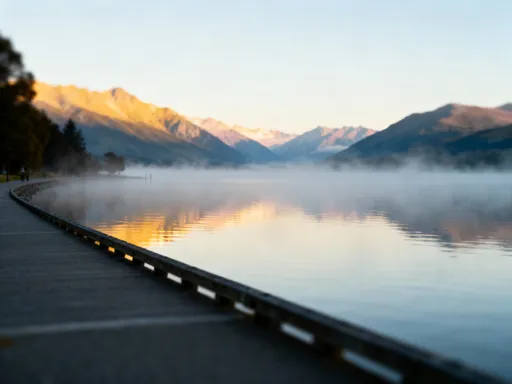
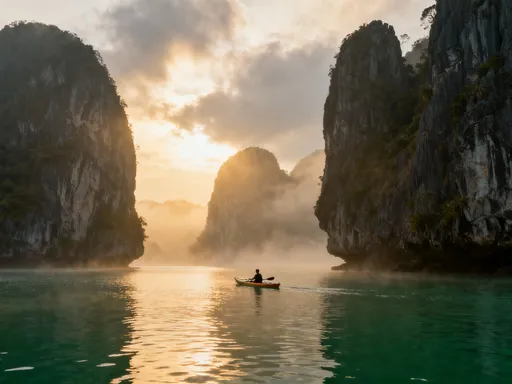
Ha Long Bay, a UNESCO World Heritage Site since 1994, is one of the most iconic natural wonders in Southeast Asia. Located in northern Vietnam, it stretches across 1,500 square kilometers of the Gulf of Tonkin, dotted with over 1,600 limestone karsts and islets rising dramatically from emerald waters. These jagged towers, formed over 500 million years through tectonic shifts and relentless erosion, create a surreal seascape that seems more dream than reality. At dawn, when mist curls around the base of the cliffs like smoke, or at golden hour when the sun gilds the rock faces, the bay transforms into a living painting.
What sets Ha Long Bay apart from other coastal destinations is not just its beauty, but its scale and geological uniqueness. The karsts, some reaching over 200 meters in height, are home to ancient caves, hidden waterways, and pockets of dense tropical forest. Each islet tells a story of time and tide, shaped by wind, rain, and sea. The bay’s ecosystem supports diverse marine life, rare birds, and even some endemic plant species. This combination of natural grandeur and ecological richness makes it more than a scenic backdrop — it’s a dynamic, breathing landscape that invites slow, thoughtful exploration.
For many travelers, their first glimpse of Ha Long Bay comes from a crowded cruise deck, where dozens of boats float side by side in popular anchorages. While these standard tours offer comfort and convenience, they often miss the deeper magic of the place. The true essence of Ha Long reveals itself not in panoramic photo ops, but in quiet moments — the hush of a secluded cove, the echo of a paddle dipping into still water, the sudden flight of a white-breasted waterhen from the shore. To experience this, one must venture beyond the well-trodden path.
Why Go Private? Escaping the Crowds for Real Connection
The difference between a standard group cruise and a private or small-group experience in Ha Long Bay is not just about comfort — it’s about connection. Most large cruises follow a rigid itinerary: same departure times, same stops, same crowded caves and viewpoints. By mid-morning, popular spots like Sung Sot Cave or Titop Peak are filled with tour groups, loud chatter, and long lines. The sense of wonder can be dulled by the sheer number of people sharing the space.
Private tours, on the other hand, offer the freedom to move at a personal pace. You can leave before sunrise, when the bay is wrapped in silver mist, or linger late into the evening to catch the last light on the water. Instead of following the herd, you can choose lesser-known routes — quiet channels between islets, forgotten beaches, or tranquil bays where only a few boats ever anchor. This flexibility allows for deeper immersion, turning a sightseeing trip into a sensory journey.
Equally important is the quality of interaction with the environment. On a small boat or kayak, you’re closer to the water, more attuned to the rhythms of nature. You hear the lap of waves against the hull, smell the salt and damp limestone, feel the cool breeze rising from the surface. These subtle experiences build a stronger emotional bond with the landscape. A private guide can also tailor the experience — pausing for birdwatching, explaining local geology, or sharing stories about the fishing families who have lived here for generations. It’s not just about seeing more — it’s about understanding more.
Hidden Lagoon: A Secret Only Kayaks Can Reach
One of the most unforgettable moments of my journey was paddling into a secluded lagoon accessible only by kayak. Our guide led us through a narrow, winding channel, barely wider than our boats, flanked by sheer limestone walls draped in vines. The water was so still it looked like polished glass, reflecting the overhanging cliffs and the patchwork of sky above. As we rounded a bend, the channel opened into a perfect circle of water, completely enclosed by towering rock faces. This hidden lagoon, unnamed on most maps, felt like a secret the bay had kept for centuries.
The silence here was profound. No engine noise, no voices — just the occasional splash of a fish breaking the surface and the distant call of a kingfisher. High in the cliffs, we spotted swallow nests tucked into crevices, and our guide pointed out a pair of black-capped night herons perched on a rocky ledge. The air was cool and damp, carrying the earthy scent of moss and wet stone. Floating in the center of the lagoon, we turned off our lights and simply listened. In that stillness, the bay revealed a side few ever witness — peaceful, ancient, and deeply alive.
Responsible access is key to preserving places like this. Our guide emphasized low-impact practices: no touching the walls, no loud noises, and absolutely no littering. These fragile ecosystems are easily damaged by careless visitors. By traveling with a licensed, eco-conscious operator, we ensured our presence did not harm the environment. Kayaking allows for silent, non-invasive exploration — a way to witness nature’s quiet wonders without disturbing them.
Ti Top Island’s Quiet Side: Avoiding the Tourist Rush
Ti Top Island is one of the most visited destinations in Ha Long Bay, famous for its panoramic viewpoint reached by a steep staircase of over 400 steps. On any given day, hundreds of tourists climb to the top for the classic postcard shot: a sweeping vista of the bay’s maze of islets. While the view is undeniably stunning, the experience can feel rushed and impersonal, especially during peak season.
But Ti Top has another side — one few tourists see. A lesser-known trail loops around the island’s western edge, skirting the coastline and offering uninterrupted views without the crowds. We took this path in the late afternoon, after the day-trippers had returned to their boats. The terrain was rugged, with rocky outcrops, twisted sea grapes, and patches of wildflowers clinging to the thin soil. Coastal breezes carried the scent of salt and sun-warmed stone. Every few minutes, the path opened into a small clearing with a perfect vantage point — no railings, no signs, just nature in its raw form.
Walking this trail felt like discovering a different island altogether. We paused often, not to check a phone or take a selfie, but to simply absorb the scene — the way the light shifted on the water, the rhythm of waves against the shore, the distant silhouette of a fishing boat. By the time we returned to the main beach, the sun was low, casting long shadows across the sand. That quiet circuit around Ti Top reminded me that even well-known destinations can offer solitude — if you know where to look and when to go.
Luon Cave: Journey Through a Natural Wonder
Luon Cave is one of Ha Long Bay’s most enchanting geological features — a “wet cave” that you can enter by kayak or small rowboat. Unlike dry caves that require walking, Luon opens directly to the water, allowing you to paddle into its vast interior. The entrance is narrow, framed by overhanging ferns and moss-covered rock, but inside, the space expands into a cathedral-like chamber lit by a natural skylight high above. Sunlight filters down in golden beams, illuminating the still water and the curved walls streaked with mineral deposits.
The journey through Luon Cave is as much about sound and sensation as it is about sight. As you glide forward, the outside world fades — the splash of paddles echoes softly, the air grows cooler, and the hum of boat engines disappears. The only sounds are the drip of water from the ceiling and the occasional flutter of swallows darting through the opening. Near the back of the cave, a second exit leads to a small lagoon surrounded by jungle, a hidden world few ever reach.
Tidal changes affect access to Luon Cave, making timing essential. At high tide, the entrance is fully open, allowing even larger boats to enter. At low tide, the water level drops, exposing rocky shelves and narrowing the passage. This natural rhythm reminds visitors that the bay is not a static attraction, but a living system shaped by the sea. Smaller boats offer a more intimate experience, allowing for quiet exploration and a deeper appreciation of the cave’s delicate ecosystem. It’s a humbling reminder of nature’s power and patience — this cave was carved not in years, but in millennia.
Sunset at Ao Ech: A Moment That Stole My Breath
Ao Ech, also known as Mirror Cave Bay, is a serene anchorage tucked between towering karsts, often overlooked by large cruise operators in favor of more famous sites. But for those on private boats, it’s a favored stop — especially at sunset. As the sun begins its descent, the water here becomes perfectly still, creating a flawless mirror that doubles the drama of the landscape. The karsts, already majestic, appear to float in midair, their reflections stretching deep into the blue-green depths.
We anchored early, just as the light began to soften. With no other boats in sight, the bay felt like our own. As the sun dipped behind the peaks, the sky erupted in hues of amber, rose, and lavender. The water transformed into liquid gold, shimmering with every ripple. We sat on the deck with warm tea and light snacks — simple things, but made extraordinary by the moment. There were no announcements, no guided commentary — just silence, shared awe, and the slow fade of daylight.
Moments like this are rare in mass tourism, where schedules and crowds often dictate the experience. At Ao Ech, time seemed to pause. It wasn’t just beautiful — it was emotional. The kind of beauty that settles in your chest and stays with you long after you’ve left. It reminded me that travel’s greatest rewards aren’t always the most famous landmarks, but the quiet, unscripted moments that happen when you slow down and let a place speak to you.
Practical Tips for a Meaningful, Respectful Visit
To truly honor Ha Long Bay, travelers should approach their visit with care and intention. Start by choosing an eco-certified tour operator — one that follows sustainable practices, limits group size, and trains guides in environmental stewardship. Look for certifications from recognized organizations or reviews that mention low-impact operations. Avoid operators that overcrowd boats or cut corners on waste management.
Pack thoughtfully: bring reusable water bottles, bamboo utensils, and cloth bags to minimize plastic waste. Many boats now offer filtered water stations, so there’s no need for single-use bottles. Store trash securely and bring it back to shore — even biodegradable items like fruit peels can disrupt local ecosystems. When kayaking or swimming, avoid touching coral, rocks, or plants, as even light contact can cause damage over time.
Timing matters. The shoulder seasons — April to May and September to October — offer the best balance of pleasant weather, calm seas, and fewer crowds. July and August are peak months, with high humidity and packed boats. Traveling outside the rush not only improves your experience but also reduces strain on the bay’s fragile infrastructure.
Finally, respect local culture. Ha Long Bay is home to generations of fishing families who live on floating villages. Observe quietly, ask permission before photographing, and support small vendors when possible. Remember, you are a guest in their home. By treading lightly — both physically and culturally — you help ensure that Ha Long’s beauty endures for future travelers.
Seeing Ha Long Bay with New Eyes
Ha Long Bay is more than a destination — it’s a feeling. It’s the hush of a hidden lagoon, the warmth of sunset on your face, the quiet pride of knowing you explored with care. My journey taught me that even the most famous places can offer intimacy, if we choose to look deeper. By stepping off the standard cruise path, embracing slower travel, and respecting the environment, I didn’t just see Ha Long Bay — I felt it.
To the women who travel not just to check destinations off a list, but to gather moments that nourish the soul — this is for you. You don’t need to climb the highest peak or take the most dramatic photo to have a meaningful journey. Sometimes, the most powerful experiences come from stillness: a kayak floating in silence, a trail walked alone, a sunset shared in quiet gratitude.
Let Ha Long Bay remind you that wonder is still possible — not in spite of time and tides, but because of them. Go not to conquer the landscape, but to connect with it. Explore not as a spectator, but as a mindful guest. And when you return home, carry not just photos, but a deeper sense of peace, knowing you witnessed something rare, real, and beautifully untouched.