This Is What Las Vegas Looks Like Through an Instagram Lens
You know that feeling when a city just pops in your feed? Las Vegas isn’t just neon lights and casinos—it’s a visual playground. I went looking for the real photo magic beyond the Strip, and wow, did I find it. From mirrored desert art to rooftop views that stop your scroll, Vegas is secretly one of the most instagrammable cities in the U.S. This is about how to see it—really see it—and come home with shots no one else has. The city has transformed from a gambling hub into a curated landscape of light, color, and contrast, where every corner offers a new composition. Whether you’re a seasoned content creator or a traveler with a smartphone, Las Vegas rewards those who look beyond the obvious.
Reimagining Vegas: Beyond the Glitz
For decades, Las Vegas was synonymous with excess—endless rows of slot machines, all-night parties, and high-stakes tables. But in recent years, the city has undergone a quiet transformation, evolving into a destination that appeals as much to visual storytellers as it does to gamblers. The shift began with the rise of experiential tourism, where travelers seek not just entertainment, but moments worth sharing. Las Vegas, with its bold architecture, dramatic lighting, and surreal juxtapositions, has become a magnet for photographers, influencers, and casual social media users alike. It’s no longer just about what happens inside the casinos—it’s about how the city looks under a golden sunrise or reflected in a rain-slicked sidewalk.
This reimagining is not accidental. City planners, hotel developers, and public art initiatives have increasingly prioritized aesthetics, knowing that a striking image can generate millions of impressions. The result is a city that feels deliberately designed for the camera. From the glowing petals of the Flower Tower at Bellagio to the geometric glow of the Viva Vision canopy in downtown, every element contributes to a visual narrative. Even the transportation infrastructure—like the High Roller observation wheel—doubles as a photo opportunity. This deliberate curation has elevated Las Vegas from a weekend escape to a legitimate destination for creative exploration.
What makes this evolution particularly compelling is its accessibility. You don’t need a professional camera or a press pass to participate. A smartphone, good timing, and a curious eye are often enough. The city invites interaction, encouraging visitors to frame, filter, and share their unique perspective. This democratization of visual storytelling has helped redefine Vegas as a place of inspiration, not just indulgence. It’s a city that thrives on reinvention, and now, it’s being reborn through the lens of a new generation of travelers.
The Art of Seeing: Designing an Instagram-Worthy Perspective
Capturing Las Vegas in a way that stands out requires more than just pointing and shooting. It demands intention—what photographers call “the art of seeing.” This means training your eye to notice light, shadow, reflection, and composition in everyday scenes. A puddle on the sidewalk becomes a mirror for neon signs. A glass skyscraper turns into a canvas for sunset hues. Even the movement of people can create dynamic blur effects when captured with the right shutter speed. The key is to slow down and observe, treating sightseeing as a form of creative practice rather than passive consumption.
Lighting is perhaps the most powerful tool in your arsenal. The golden hour—just after sunrise and before sunset—transforms the Strip into a symphony of warm glows and long shadows. During these times, the contrast between the desert sky and the city’s artificial brilliance creates a surreal balance. For example, photographing the Bellagio fountains at dawn allows you to capture both the water’s motion and the soft pastel sky, avoiding the harsh midday sun. Similarly, blue hour—the period just after sunset—brings out the full intensity of Vegas’s lighting displays, making skyscrapers appear to float in a sea of color.
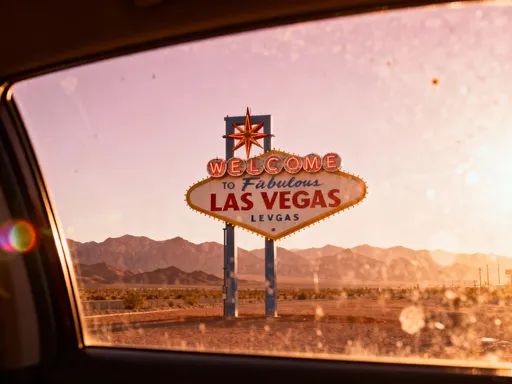
Timing also plays a crucial role in avoiding crowds. Most tourists cluster around major attractions in the late afternoon and evening. By arriving early—say, 6 a.m. at the Welcome to Fabulous Las Vegas sign—you gain unobstructed access and softer light. Long-exposure photography, which requires a tripod, can turn streams of headlights into glowing ribbons along the Strip, adding a sense of motion and energy. These techniques, while simple, can elevate your photos from generic snapshots to compelling visual stories.
Equally important is the mindset you bring. Instead of chasing viral content, focus on authenticity. What draws you to a particular scene? Is it the symmetry of a building’s facade? The way light reflects off a polished floor? By asking these questions, you begin to develop a personal aesthetic. This approach not only improves your photography but also deepens your connection to the city. Las Vegas, for all its flash, responds best to those who look with curiosity and care.
Iconic Spots with a Fresh Twist
Certain landmarks are unavoidable when photographing Las Vegas, but that doesn’t mean your shots have to look like everyone else’s. The key is to approach these icons with creativity and timing. Take the “Welcome to Fabulous Las Vegas” sign, perhaps the most photographed roadside marker in America. Most images show it from the front, with tourists posing in front of its classic mid-century font. But try shooting it from the back at night, using the Strip’s distant glow as a backdrop. Or capture it from a low angle, emphasizing its height against the starry desert sky. These subtle shifts can turn a cliché into something fresh.
The Fountains of Bellagio offer another opportunity for reinvention. While the daytime shows attract large crowds, the evening performances—especially under moonlight—create a more atmospheric setting. Use a slow shutter speed to blur the water jets into silky arcs, or frame the fountains through the hotel’s glass doors to add reflections. For a truly unique perspective, visit the Bellagio Conservatory & Botanical Gardens, where seasonal floral displays provide a colorful, often overlooked contrast to the outdoor spectacle. Pairing these two locations in a single visit allows you to capture both grandeur and detail.
Another strategy is to combine iconic spots with nearby hidden gems. After photographing the High Roller, for example, walk a few blocks to the LINQ Promenade’s quieter corners, where textured walls and ambient lighting offer intimate compositions. Or, visit the Cosmopolitan’s mural-lined hallways, which feature rotating contemporary art that contrasts sharply with the city’s glitzy exterior. These pairings not only diversify your portfolio but also reflect a more nuanced understanding of the city.
Timing remains essential. Arriving at popular locations during off-peak hours—early morning or late at night—gives you space to experiment without interruption. It also reduces the risk of unwanted photobombers. With a little planning, even the most crowded spots can yield original, crowd-free images that feel both personal and powerful.
Hidden Gems Only Locals and Photographers Know
While the Strip dazzles, some of the most compelling visuals in Las Vegas lie just off the beaten path. These hidden spots, favored by locals and seasoned photographers, offer texture, color, and authenticity that contrast with the polished facades of the main corridor. One such location is the Neon Boneyard, an open-air museum housing decommissioned signs from past eras of Vegas history. Here, you’ll find rusted letters, vintage logos, and weathered metal structures that tell the story of the city’s evolution. The site is especially photogenic at golden hour, when the low sun casts long shadows across the scattered signs, creating a haunting yet beautiful atmosphere.
Another lesser-known vantage point is the viewing area for the Luxor Sky Beam. Most visitors never realize they can see this powerful vertical light from the sidewalk near the Mandalay Bay parking garage. At night, the beam shoots straight into the sky, visible for miles. Capturing it from ground level, with the pyramid in silhouette, creates a dramatic composition. The lack of crowds makes it ideal for long-exposure shots, and the surrounding desert backdrop adds a sense of isolation and scale.
Downtown Las Vegas, particularly the Arts District, is another treasure trove of visual inspiration. The area features colorful murals, repurposed warehouses, and eclectic street art that reflect the city’s creative undercurrent. Alleys like those near Container Park or the Mural Mile offer ever-changing backdrops, with new works appearing regularly. These spaces are not only photogenic but also safe and accessible during daylight hours. Many local cafes and boutiques welcome visitors, making it easy to combine photography with a relaxed exploration of the neighborhood.
When visiting these spots, it’s important to respect the environment and follow local guidelines. The Neon Boneyard requires an admission fee and has designated walking paths. The Luxor Sky Beam area is public but can be dimly lit, so wearing visible clothing and bringing a flashlight is advisable. Downtown areas are generally safe but benefit from daytime visits. By planning ahead and being mindful, you can capture authentic images without compromising safety or etiquette.
Elevated Views: Rooftops, Observation Decks, and Desert Highs
To truly grasp the scale and spectacle of Las Vegas, you need to rise above it. Elevated perspectives offer a comprehensive view of the city’s layout, lighting patterns, and architectural diversity. The High Roller, a 550-foot-tall observation wheel on the LINQ Promenade, provides one of the most accessible panoramic experiences. Each cabin offers floor-to-ceiling windows, allowing for unobstructed 360-degree shots. The ride takes about 30 minutes, giving you time to capture the Strip from multiple angles as the wheel slowly turns. Sunset is the ideal time, when the city transitions from daylight to artificial brilliance.
For an even higher vantage point, the Strat Observation Deck (formerly Stratosphere Tower) rises over 1,100 feet above the city. From this height, the entire Strip unfolds like a glowing ribbon in the desert. The deck features both indoor and outdoor viewing areas, with telescopes and photo-friendly railings. While the structure itself is imposing, the real value lies in the context it provides—seeing how the city clusters around the main corridor, with vast stretches of desert beyond. This perspective helps tell a fuller story of Las Vegas as both a man-made marvel and a desert outpost.
Rooftop pools at luxury hotels also offer elevated views, though access is often restricted to guests. Some properties, like the Wynn or the Aria, allow daybed rentals for non-guests, providing a chance to photograph the skyline from a more intimate setting. These spaces combine luxury aesthetics with sweeping vistas, making them ideal for lifestyle content. The lighting at dusk, when pool water reflects the surrounding towers, creates a dreamy, almost surreal atmosphere.
For those seeking natural elevation, Red Rock Canyon, located about 25 miles west of the city, offers a dramatic contrast. The red sandstone formations rise abruptly from the desert floor, creating a striking backdrop for wide-angle shots. The scenic drive includes multiple pullouts perfect for photography, especially in the early morning when the light enhances the rock’s color. Unlike the Strip, this area prohibits drones, but the natural vantage points are more than sufficient for capturing breathtaking panoramas.
Desert Aesthetics: Where Nature Meets Neon
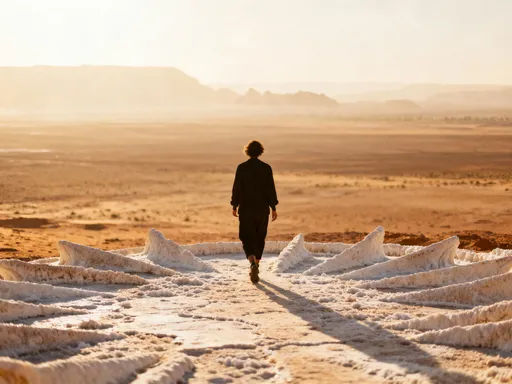
One of the most compelling aspects of photographing Las Vegas is the immediate contrast between urban excess and natural minimalism. Just minutes from the Strip, the Mojave Desert stretches in all directions, offering a raw, unfiltered landscape that complements the city’s artificial glow. This juxtaposition is best experienced at locations like Seven Magic Mountains, a land art installation featuring seven towering, colorfully painted boulders arranged in a desert valley. The site, visible from the I-15 freeway, was designed to be temporary but has become a beloved photo destination. Its vibrant hues pop against the muted desert tones, creating a surreal, almost otherworldly effect.
Another must-visit is Valley of Fire State Park, located about 50 miles northeast of Las Vegas. The park’s red sandstone formations, shaped by wind and water over millions of years, glow intensely at sunrise and sunset. Trails like the Fire Wave and Mouse’s Tank offer accessible routes for photographers of all levels. The petroglyphs at Mouse’s Tank add a historical dimension, connecting the landscape to ancient Indigenous cultures. These elements—geological drama, cultural significance, and natural light—combine to create deeply resonant images.
The desert also provides a rare opportunity for night sky photography. Far from the city’s light pollution, areas like Lake Mead National Recreation Area offer clear views of the Milky Way. With a tripod and a wide-angle lens, you can capture star trails above desert silhouettes, creating a powerful contrast between earthly and celestial beauty. These shots, while technically simple, carry emotional weight, reminding viewers of the vastness beyond the city’s glow.
When exploring these areas, preparation is key. Bring plenty of water, wear sun-protective clothing, and check weather conditions before heading out. Most desert sites are open year-round but are most comfortable to visit in the cooler months. Early morning visits not only provide the best light but also help you avoid heat and crowds. By respecting the environment and planning carefully, you can capture the desert’s beauty without compromising safety.
Putting It All Together: Crafting Your Visual Journey
Creating a truly memorable visual narrative of Las Vegas requires more than just visiting great spots—it demands strategy and intention. Start by packing the right tools: a lightweight tripod for long exposures, a polarizing filter to reduce glare, and extra batteries or a portable charger for extended shooting. While smartphones are capable, a mirrorless or DSLR camera with a wide-angle lens will give you more control over depth and light. Apps like PhotoPills or Sun Surveyor can help you track golden hour, blue hour, and moon phases, ensuring you’re in the right place at the perfect time.
Next, plan a balanced itinerary that mixes iconic landmarks with offbeat discoveries. Begin with the Strip at dawn, then head to the Neon Boneyard by mid-morning. Afternoon can be spent exploring downtown murals, followed by an early dinner before sunset at Red Rock Canyon or Seven Magic Mountains. End the day with a High Roller ride or rooftop view as the city lights come alive. This rhythm allows you to capture diverse lighting conditions and avoid the busiest times.
Equally important is the story you want to tell. Are you drawn to symmetry and structure? Focus on architecture and reflections. Do you prefer emotion and atmosphere? Chase foggy mornings, rain puddles, or quiet alleyways. Your personal aesthetic will emerge through consistent choices in framing, color, and subject. Don’t aim for perfection—aim for authenticity. A slightly blurred shot of a dancer in the street, or a candid moment at a desert overlook, can be more powerful than a technically flawless but soulless image.
In the end, photographing Las Vegas is about more than accumulating likes or followers. It’s about learning to see—not just the city, but the world—with greater attention and wonder. The way you frame a neon sign, a desert rock, or a quiet corner reveals as much about you as it does about the place. Las Vegas, in all its glittering contradiction, invites us to look deeper, to find beauty in the unexpected, and to share not just what we see, but how we see it. That’s the real magic behind the lens.