You Won’t Believe What’s Hiding in the Desert – Art at the Edge of the Dead Sea
When I first arrived at the Dead Sea in Jordan, I expected salt, silence, and surreal floating—but not art. Not like this. Nestled in the stark desert landscape, I stumbled upon something unexpected: intimate galleries, open-air installations, and creative spaces thriving in the stillness. This isn’t just a wellness escape; it’s a quiet cultural revolution. If you think the Dead Sea is only about mud baths and buoyancy, think again—there’s a deeper, more artistic soul waiting to be discovered. What I found was not a series of isolated artworks, but a growing movement—one where the desert’s austerity becomes a muse, where silence is not emptiness but space for reflection, and where creativity blooms in the most unlikely conditions. The Dead Sea, long celebrated for its therapeutic waters and geological rarity, is quietly becoming a sanctuary for artists, curators, and travelers seeking meaning beyond the surface.
The Dead Sea Beyond the Brochures
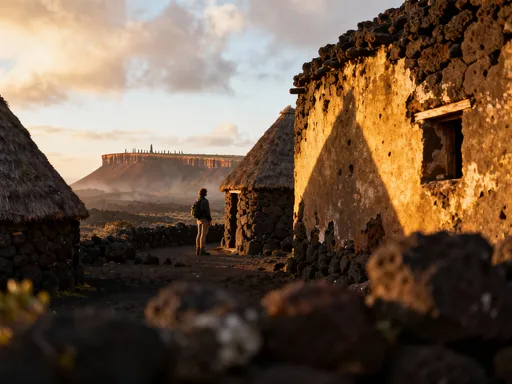
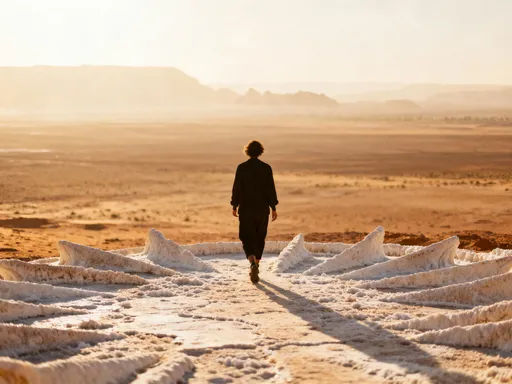
For decades, the Dead Sea has been marketed as a destination of physical renewal. Travel brochures highlight its mineral-rich mud, its record-low elevation, and the novelty of floating effortlessly on its dense, buoyant waters. These experiences are real and valuable, but they only tell part of the story. Beyond the spa treatments and sunbathing loungers, a subtler transformation is unfolding—one that speaks not just to the body, but to the mind and spirit. The desert surrounding the Dead Sea, often dismissed as barren, is in fact a landscape of profound sensory contrast. The intense sunlight, the cracked salt flats, the deep silence broken only by wind—these are not just environmental conditions; they are elements that shape perception and invite introspection.
It is precisely this rawness that makes the region fertile ground for artistic expression. In recent years, travelers and locals alike have begun to see the Dead Sea not only as a place of healing but as a canvas for cultural exploration. Artists are drawn to its extremes—the high salinity, the dramatic temperature shifts, the vast open skies. These natural forces do not merely serve as backdrop; they become collaborators in the creative process. A sculpture placed near the shore may slowly crystallize with salt, evolving over time. A sound installation might capture the whisper of wind across basalt rocks. The environment becomes an active participant, not just a setting.
This shift in perspective—seeing the Dead Sea as a site of cultural as well as physical significance—has led to a quiet renaissance. Resorts and eco-lodges are increasingly integrating art into their design, not as decoration, but as an essential part of the guest experience. Murals inspired by ancient Nabataean symbols appear on canyon-facing walls. Ceramic installations echo the layered geology of the Rift Valley. Even wellness centers are incorporating artistic elements, such as meditation rooms adorned with handwoven textiles or soundscapes composed from natural desert recordings. The result is a destination that no longer asks visitors only to relax, but to engage, observe, and reflect.
Art in the Silence: The Rise of Desert Creativity
Solitude is often misunderstood as emptiness, but for artists, it is a rare and precious resource. The isolation of the Dead Sea region—far from urban noise, light pollution, and constant digital interruption—creates an environment where deep focus and creative clarity can flourish. Many artists describe the desert as a place where distractions fall away, allowing them to reconnect with their inner voice. This is not a romanticized notion; it is supported by the experiences of creatives who have spent time in the area. The stillness does not stifle creativity—it amplifies it.
In this context, a new wave of artistic initiatives has emerged, often rooted in sustainability and cultural continuity. Local collectives are experimenting with natural materials—clay from the wadis, salt harvested from the shore, fibers from desert plants—to create works that are both contemporary and deeply connected to the land. These materials are not chosen merely for aesthetic reasons; they reflect a philosophy of working *with* the environment rather than against it. Some artists incorporate traditional Bedouin weaving techniques into modern textile art, blending ancestral knowledge with present-day expression. Others use solar-powered kilns to fire ceramics, aligning their practice with the region’s abundant sunlight.
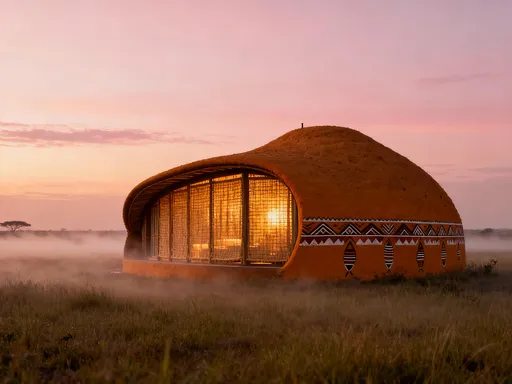
Eco-conscious design is also shaping the spaces where art is made and displayed. Many galleries and studios near the Dead Sea are built using rammed earth, recycled stone, or reclaimed wood, minimizing environmental impact while harmonizing with the natural terrain. These structures often feature passive cooling systems, such as thick walls and shaded courtyards, allowing them to remain comfortable without relying on energy-intensive air conditioning. The integration of art and sustainable architecture sends a powerful message: creativity and environmental stewardship can go hand in hand. In a region where water is scarce and temperatures soar, this approach is not just ethical—it is essential.
Hidden Galleries and Cultural Hubs
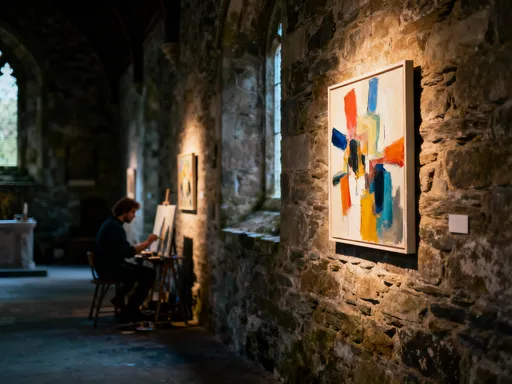
While the Dead Sea may not have large, formal museums, it is home to a network of intimate art spaces that are gaining recognition among culturally curious travelers. These are not commercial galleries in the traditional sense, but small, thoughtfully curated venues often embedded within resorts, eco-lodges, or community centers. Some are little more than a single room with natural light pouring through a high window, while others occupy repurposed desert structures with walls that seem to grow out of the earth. What they share is a commitment to showcasing work that resonates with the landscape and the local culture.
One of the most compelling aspects of these spaces is how seamlessly they integrate with wellness experiences. A guest might begin the morning with a guided float in the mineral-rich waters, followed by a mindfulness session in a gallery filled with abstract paintings that mirror the shifting hues of the sunrise over the salt flats. Another might attend a yoga class held beneath a suspended sculpture that moves gently with the breeze, creating ever-changing patterns of shadow on the sand. These combinations are not gimmicks; they are intentional pairings designed to deepen the sense of presence and connection. Art becomes a form of mental wellness, just as the water is a form of physical healing.
Artist residencies are also playing a key role in shaping the cultural landscape. Several organizations now offer short-term stays for painters, sculptors, writers, and sound artists who wish to immerse themselves in the desert environment. These programs provide not only studio space and basic accommodations but also opportunities for dialogue with local communities and guided excursions into the surrounding wilderness. The goal is not to produce marketable artwork, but to foster creative exploration in a place where time feels different—slower, more deliberate. Many participants describe the experience as transformative, citing the clarity and focus they gain from living in such a stripped-down environment.
Open-Air Installations: Where Nature Meets Vision
Perhaps the most striking aspect of the Dead Sea’s art scene is the prevalence of open-air installations—works that exist not within walls, but in direct dialogue with the land. These site-specific pieces are often temporary, designed to weather, shift, or even disappear over time. Some are made of salt blocks that slowly dissolve in the humidity. Others are constructed from basalt stones arranged in geometric patterns that echo ancient petroglyphs. Still others use mirrors or polished metal to reflect the sky, creating illusions of floating horizons or inverted landscapes.
What makes these installations powerful is their impermanence. They do not seek to dominate the environment; instead, they respond to it. A sculpture may look entirely different at dawn than at midday, when the angle of the sun alters its shadow and color. Wind may cause kinetic elements to move, producing soft, rhythmic sounds. Rain—rare but not unheard of—can accelerate erosion, changing the form of a piece within hours. This dynamic relationship between art and nature challenges conventional ideas about what art should be. It is not static, not preserved behind glass, but alive, evolving, and deeply embedded in its context.
Visitors often encounter these works unexpectedly—around a bend in a hiking trail, at the edge of a cliff overlooking the sea, or just beyond a cluster of desert shrubs. There are no plaques or loud signage; the art reveals itself gradually, inviting curiosity and contemplation. This element of discovery enhances the experience, making it feel personal and intimate. One traveler might spend an hour sitting beside a stone spiral, watching the light shift across its surface, while another might record the sound of metal rods humming in the wind. These moments of quiet engagement are not passive; they are acts of participation, where the observer becomes part of the artwork’s story.
Local Voices: Jordanian Artists Shaping the Scene
At the heart of this artistic awakening are the Jordanian creators who are redefining what it means to make art in this region. These are not foreign artists passing through, but individuals deeply rooted in the culture, history, and landscape of the country. Many draw inspiration from themes of identity, memory, and environmental change, using their work to explore what it means to belong to a place that is both ancient and rapidly evolving. Their art is not created for international galleries alone, but for local communities, schools, and travelers who seek a more authentic connection to Jordan.
One painter, for example, uses pigments made from crushed minerals found in the Rift Valley, blending them with natural binders to create textured landscapes that mirror the actual terrain. Another sculptor works with recycled metal from old agricultural tools, reshaping them into abstract forms that speak to the changing relationship between people and the land. These materials are not chosen at random; they carry history, carrying the weight of labor, tradition, and transformation. When viewers see these works, they are not just looking at art—they are engaging with stories of resilience, adaptation, and continuity.
Art spaces near the Dead Sea are increasingly prioritizing local talent, hosting rotating exhibitions that feature emerging and established Jordanian artists. Some offer workshops where guests can try their hand at traditional crafts, such as pottery or natural dyeing, under the guidance of local artisans. These experiences are not tourist performances; they are genuine exchanges that honor skill, patience, and cultural knowledge. By supporting these initiatives, visitors contribute to a sustainable cultural economy—one that values authenticity over spectacle and depth over novelty.
How to Experience the Art Side of the Dead Sea
For travelers interested in exploring this artistic dimension, the experience begins with intention. This is not a destination for rushed sightseeing or checklist tourism. To truly engage with the art of the Dead Sea, one must slow down, observe closely, and remain open to surprise. The best time to visit is during the cooler months—between October and April—when temperatures are more comfortable for walking and outdoor exploration. Early morning and late afternoon offer the most favorable light for photography and contemplative viewing, with long shadows and soft golden hues enhancing the visual impact of both natural and artistic elements.
Finding these artistic spaces requires a bit of research and local guidance. While some are associated with well-known resorts or eco-lodges, others are more discreet, located along lesser-known trails or within community centers. Speaking with local guides, guesthouse managers, or cultural coordinators can lead to discoveries that aren’t listed in guidebooks. It’s also helpful to bring a notebook, sketchpad, or camera—not to capture perfect images, but to record impressions, thoughts, and sensory details. Even a simple walk along the shore can become an artistic experience when approached with mindfulness.
Combining art exploration with wellness practices can deepen the journey. A morning float in the Dead Sea, followed by a visit to a nearby installation, allows the body and mind to reset in tandem. A guided meditation in a quiet gallery space can enhance emotional receptivity to the artwork. Some travelers find that journaling after an art encounter helps them process what they’ve seen and felt. The key is to treat the experience as holistic—where physical well-being, cultural insight, and creative inspiration are not separate pursuits, but interconnected threads of a richer travel experience.
Why This Matters: Art as a Lens for Deeper Travel
The emergence of art at the edge of the Dead Sea is more than a cultural trend; it is a reminder of how travel can evolve beyond consumption into connection. In a world where destinations are often reduced to hashtags and highlight reels, the quiet creativity flourishing in this desert offers an alternative path. It invites travelers to look beyond the surface, to listen to the land, and to engage with a place on a deeper level. Art, in this context, becomes a lens—a way of seeing that transforms the ordinary into the meaningful.
The Dead Sea itself is a metaphor for extremes—of depth, salinity, and age. It is a place where life as we know it cannot survive, yet where healing and rejuvenation are possible. Artists, in their own way, are exploring this paradox. Their work reflects the tension between stillness and movement, permanence and change, isolation and connection. By engaging with their creations, visitors are not just observing art—they are participating in a dialogue about resilience, transformation, and the human need for expression.
This is not a call to turn the Dead Sea into an art destination in the conventional sense. There will be no large museums, no crowded exhibitions. What is emerging is something more subtle, more enduring—a culture of quiet creativity that honors the land and its people. For the thoughtful traveler, especially one seeking meaning, beauty, and renewal, this is an invitation to go deeper. Look closer. Stay longer. Let the silence speak. And when you find that unexpected sculpture half-buried in the sand or that small gallery glowing with handmade ceramics, remember: you are not just seeing art. You are witnessing a quiet revolution—one that proves even in the most extreme places, creativity can thrive.