You Won’t Believe What I Discovered at Windhoek’s Cultural Heart
Windhoek isn’t just Namibia’s capital—it’s a living canvas of culture, resilience, and rhythm. I went looking for landmarks but found something deeper: stories in dance, history in pottery, and pride in every street mural. From bustling markets to quiet craft studios, the city pulses with traditions that survived colonization and thrived in independence. This is cultural travel at its most authentic—raw, real, and unforgettable.
Arrival in Windhoek: First Impressions of a City Between Worlds
Touching down at Hosea Kutako International Airport, the first thing visitors notice is how Windhoek sits nestled among rolling hills, its skyline a quiet blend of modern low-rise buildings and historic spires. The city does not shout; it speaks in subtle tones—a whisper of colonial pasts, a murmur of indigenous strength, and a steady hum of African vitality. As you drive into town, German colonial architecture lines the streets, with gabled roofs and sandstone facades standing beside vibrant street art and markets alive with color. This duality is not a contradiction but a conversation—one that unfolds with every step through the city.
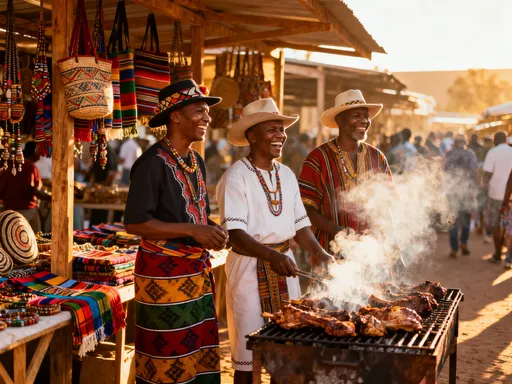
The sensory experience begins immediately. At the Wanderers Market, the scent of grilling kapana—spiced beef strips cooked over open flames—fills the air, mingling with the sweet aroma of roasting maize and fresh-baked vetkoek. Vendors call out in a mix of languages: Oshiwambo, Afrikaans, English, and Damara Nama, reflecting Namibia’s rich linguistic tapestry. Women in traditional Herero dresses, with their distinctive high-headdress hats and Victorian-style gowns, walk alongside students in jeans and T-shirts, symbolizing how tradition and modernity coexist in harmony.
What makes Windhoek unique is not just its visual and sensory layers, but the way its people embrace complexity. The city was shaped by German rule in the late 19th century, then South African administration, and finally independence in 1990. Each era left its mark, yet the spirit of the Namibian people has remained central. This layered identity isn’t hidden—it’s celebrated in the way elders pass down stories, in the rhythm of street performers, and in the pride with which locals speak of their heritage. For the culturally curious traveler, Windhoek is not a backdrop but a living narrative waiting to be understood.
The National Museum of Namibia: Where History Comes Alive
At the heart of Windhoek’s cultural journey stands the National Museum of Namibia, a vital gateway to understanding the nation’s past. Housed in a colonial-era building with wide verandas and shaded courtyards, the museum does more than display artifacts—it tells a story of survival, resistance, and renewal. The exhibits begin long before colonial contact, showcasing the lives of the San, Nama, Damara, and other indigenous groups who have inhabited the region for thousands of years. Stone tools, rock art reproductions, and traditional hunting gear illustrate a deep connection to the land, one that continues to shape Namibian identity today.
The museum’s strength lies in its ability to present difficult history with clarity and dignity. One powerful section traces the impact of German colonization from 1884 to 1915, including the tragic Herero and Nama genocide—a chapter often overlooked in global narratives. Through photographs, survivor testimonies, and archival documents, the museum ensures these stories are not forgotten. Another exhibit highlights the decades-long struggle for independence, led by figures such as Sam Nujoma and organizations like SWAPO. Photographs of protests, underground radio broadcasts, and handmade banners convey the determination of a people fighting for self-determination.
What sets the National Museum apart is its interactive approach. Children and adults alike engage with touchscreens that explain the significance of traditional clothing, music, and oral histories. One display allows visitors to listen to recordings of elders recounting folktales in their native languages, preserving voices that might otherwise fade. These efforts make history accessible, not as a distant academic subject, but as a living force that shapes today’s cultural expressions. Understanding this past deepens appreciation for the music, art, and daily life seen throughout Windhoek. It transforms a casual visit into a meaningful encounter with resilience.
Craft Markets and Artisan Hubs: Hands That Tell Stories
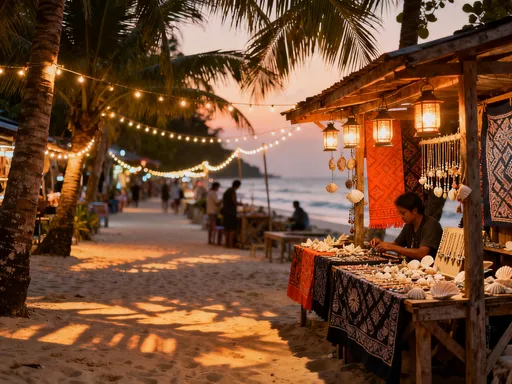
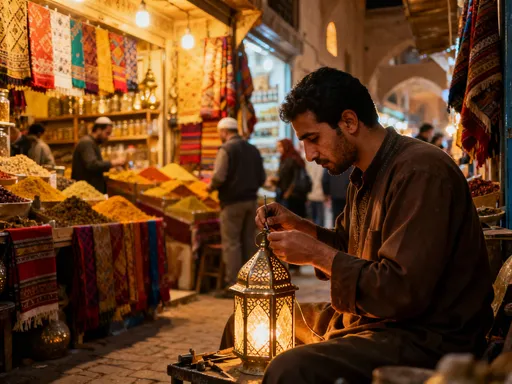
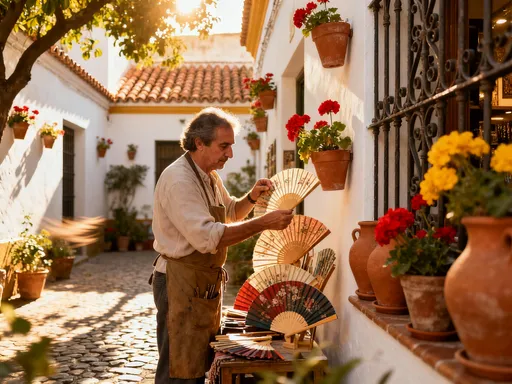
No cultural journey in Windhoek is complete without visiting its craft markets, where tradition is not just preserved but actively practiced. The NaDEET Craft Centre and the Robert Mugabe Avenue Market are two of the most renowned spaces where artisans display their work. Here, every object holds a story—be it a tightly woven Owambo basket, a beaded necklace in bold geometric patterns, or a hand-tooled leather bag from the Damara people. These crafts are not made for tourists alone; they are expressions of identity, passed down through generations and adapted to modern life.
Owambo basket weaving, for instance, is more than a craft—it is a language. Using ilala palm fibers, women weave intricate patterns that communicate family lineage, regional origin, and even spiritual beliefs. Each coil and twist carries meaning, and the process itself is often communal, with mothers teaching daughters in the shade of courtyard trees. Similarly, Herero beadwork is deeply symbolic. The colors and arrangements of beads signify marital status, age, and clan affiliation. To wear such jewelry is to carry history on one’s body, a living archive of cultural memory.
For visitors, these markets offer more than souvenirs—they offer connection. Many artisans welcome conversations, sharing the significance of their work and the challenges of sustaining traditional practices in a changing economy. Buying directly from them ensures that income stays within the community, supporting families and preserving skills that might otherwise fade. Ethical shopping means asking questions, listening, and valuing the time and knowledge behind each piece. When you carry home a handmade bowl or a beaded bracelet, you are not just owning an object—you are honoring a legacy.
Traditional Music and Dance: Feeling the Pulse of the People
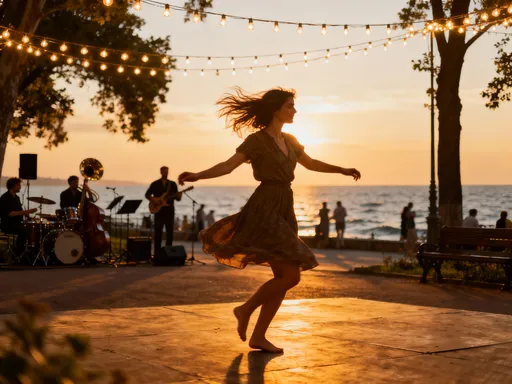
In Windhoek, culture is not confined to museums or markets—it moves. One evening, I attended a community performance at the National Theatre of Namibia, where the air trembled with the deep resonance of drumming. The stage came alive with dancers from the Nama, Ovambo, and Damara communities, each bringing distinct rhythms and movements. The Nama dancers moved with graceful precision, their steps light and flowing, accompanied by the haunting melodies of the mouth bow. Ovambo performers brought energy and power, their stomping feet and raised arms echoing the strength of ancestral spirits.
What struck me most was the communal nature of these performances. Unlike formal concerts, these events often invite audience participation. Children mimic the dancers’ moves, elders nod in recognition, and strangers join hands in circle dances. The drum circles, in particular, are more than entertainment—they are rituals of unity. Led by experienced drummers, participants of all ages contribute to a growing rhythm, each beat reinforcing a sense of belonging. This is how traditions are kept alive: not through performance alone, but through shared experience.
Choral singing is another cornerstone of Namibian cultural expression. In churches and community halls across Windhoek, groups perform in rich harmonies, blending African vocal styles with European choral influences. These songs often carry messages of hope, faith, and resilience, echoing the nation’s journey. One local choir director told me, “When we sing together, we remember who we are. We are not just voices—we are history in motion.” For visitors, attending such performances is not passive observation; it is an invitation to feel the pulse of a people who use rhythm to heal, celebrate, and remember.
Culinary Culture: More Than Just a Meal
Food in Windhoek is a language of its own—one that speaks of migration, adaptation, and identity. The city’s culinary scene is a mosaic of influences: indigenous ingredients, colonial techniques, and modern innovations. At street stalls and family-run kitchens, meals are more than sustenance—they are acts of cultural preservation. One of the most iconic dishes is oshifima, a thick cornmeal porridge often served with oshimo (dried meat) or okuhungu (mopane worms). This staple, shared across many northern communities, reflects both resilience and resourcefulness—using available ingredients to create nourishing, flavorful meals.
For those willing to explore, Windhoek offers a rich array of traditional flavors. At a local eatery in the Katutura township, I tasted potjiekos, a slow-cooked stew prepared in a cast-iron pot over charcoal. The dish, a legacy of Afrikaans settlers, has been embraced and adapted by Namibian cooks, who add local spices and ingredients like pumpkin and beans. Another favorite is melktert, a creamy milk tart with a flaky crust, often served at gatherings and celebrations. Its sweetness is a reminder of how even colonial imports have been woven into the national fabric.
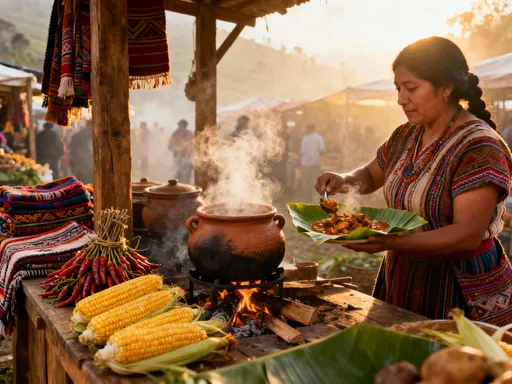
Street food, too, tells a story. Kapana, the beloved grilled meat sold at night markets, began as a way for workers to share affordable, flavorful meals after long days. Today, it is a symbol of urban culture, where friends gather around grills, laughing and sharing stories. Vendors season the meat with a mix of salt, chili, and garlic, then serve it wrapped in paper with a side of pap (maize porridge). Eating kapana is not just about taste—it’s about community. It’s in these moments, sitting on a plastic chair under a string of lights, that visitors truly connect with the rhythm of daily life in Windhoek.
Community Cultural Centers: Keeping Traditions Alive
Beyond the tourist trail, Windhoek’s cultural heartbeat thrives in community centers dedicated to education and preservation. The National Theatre is not only a performance space but a hub for workshops, youth programs, and cultural exchanges. I met with a dance instructor named Maria, who has taught traditional Ovambo dance to teenagers for over a decade. “They come in wearing headphones and hoodies,” she said with a smile, “but when the drums start, they remember their roots.” Her classes focus not just on movement but on meaning—each step tied to a story, each rhythm to a historical event.
Similar efforts are underway in craft and music programs across the city. At the Katutura Community Arts Centre, young people learn to play traditional instruments like the uhadi (a musical bow) and the ophala (a flute-like wind instrument). Instructors emphasize patience and listening, skills that extend beyond music into daily life. These programs are vital in a world where global media often overshadows local traditions. By engaging youth in hands-on learning, they ensure that cultural knowledge is not lost to time.
What makes these centers so effective is their grassroots nature. They are not funded by large international grants but sustained by local passion and small donations. Volunteers teach after work, elders share stories on weekends, and parents bring their children knowing that these spaces offer more than skills—they offer identity. For travelers, visiting such centers is a privilege. It is an opportunity to witness cultural resilience in action and to support efforts that matter. A donation, a workshop attendance, or even a respectful conversation can make a difference.
Why Windhoek’s Culture Matters—And How to Experience It Right
Windhoek’s cultural richness is not a relic of the past—it is a living, breathing force that shapes the present. In a world where globalization can erode local identities, Namibia stands as a testament to the power of preservation and pride. The city’s traditions are not performed for show; they are lived daily, from the way elders greet each other to the songs sung in schools. To experience Windhoek authentically is to move beyond sightseeing and embrace cultural humility.
Respectful travel begins with simple practices. Ask permission before photographing people, especially during ceremonies or in markets. Support local artisans by purchasing directly from them, and take time to learn the stories behind their work. When attending performances or visiting cultural centers, listen more than you speak. Let the experience shape you, rather than trying to shape it for a social media post. These small acts of mindfulness honor the people whose culture you are privileged to witness.
Ultimately, Windhoek invites travelers to see it not as a stopover on the way to desert safaris or coastal dunes, but as a destination in its own right. Its museums, markets, music, and meals offer a profound connection to a nation that has endured and emerged with dignity. The city’s cultural heart beats strong—not in grand monuments, but in the hands that weave, the feet that dance, and the voices that sing. To visit Windhoek is not just to see a place, but to feel a people. And that, perhaps, is the most unforgettable journey of all.