You Won’t Believe These Hidden Art Gems in Wales
Wales is more than castles and mountains—it’s a quietly buzzing hub of creativity. I recently wandered off the beaten path and stumbled upon intimate galleries, converted chapels, and street art tucked in old mining towns. These hidden art spaces aren’t in the guidebooks, but they capture the soul of the region like nothing else. If you're craving authentic, thought-provoking experiences, Wales’ underground art scene is a must-see. Far from the noise of major cities, these quiet corners pulse with color, meaning, and community. They reflect not just artistic talent, but a deep connection to place, history, and identity. This is art that doesn’t shout—it whispers, lingers, and stays with you long after you’ve left.
The Unexpected Art Heart of Wales
When most travelers think of Wales, they picture rugged peaks, medieval fortresses, and rolling green valleys. Few imagine an underground network of galleries, studios, and public art projects thriving in quiet villages and former industrial towns. Yet beneath this traditional image lies a vibrant, often overlooked creative heartbeat. For decades, artists across Wales have been transforming forgotten spaces into centers of expression—places where culture, memory, and innovation converge. The country’s rural character and industrial past have not stifled creativity, but rather nurtured it in unexpected ways. Isolated communities have long relied on storytelling, music, and craft to preserve their identity, and today, visual art has become a powerful extension of that tradition.
What makes Wales’ art scene unique is its deep connection to place. Unlike the polished institutions of major cities, these grassroots venues are shaped by their surroundings—by the slate-gray skies of the Valleys, the golden light of the coast, and the silence of abandoned chapels. Many of these spaces emerged not through government mandates, but through local initiative. A retired teacher opens a gallery in a disused post office. A group of painters converts a derelict factory into shared studio space. These efforts are driven not by profit, but by a desire to create meaning in places often left behind by mainstream tourism and economic development.
The result is an art scene that feels intimate, personal, and deeply rooted. Visitors don’t just view art—they meet the makers, hear the stories behind the pieces, and feel the pulse of community life. This authenticity is what draws more travelers each year, not for spectacle, but for connection. In a world where so much feels mass-produced and impersonal, Wales offers something rare: art that grows naturally from the land and its people.
Exploring the Converted Chapels: Where Spirituality Meets Creativity
One of the most striking features of Wales’ hidden art landscape is the transformation of old Nonconformist chapels into cultural spaces. Scattered across mid-Wales, particularly in towns like Llanwrtyd Wells, Llandrindod Wells, and Machynlleth, these once-silent houses of worship now echo with new forms of expression. Built during the 18th and 19th centuries at the height of religious revival, many chapels fell into disuse as congregations shrank. Rather than demolish them, communities have found imaginative ways to preserve their legacy—by turning them into galleries, performance venues, and artist residencies.
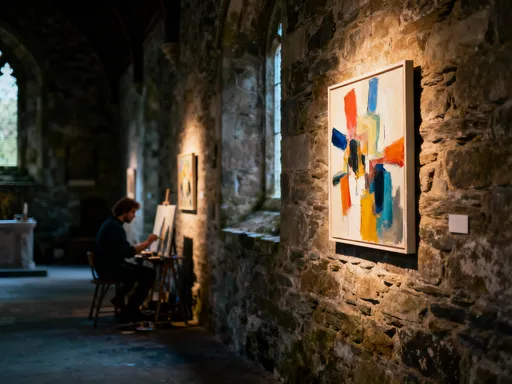
The architecture of these chapels—simple stone facades, tall arched windows, and high wooden ceilings—lends itself perfectly to art display. Natural light filters through stained glass or clear panes, casting soft patterns across polished floors. The quiet acoustics and solemn atmosphere invite contemplation, allowing visitors to engage deeply with the work on view. In Machynlleth, the Tabernacle Arts Centre occupies a former Calvinistic Methodist chapel, hosting rotating exhibitions of contemporary Welsh artists alongside live music and poetry readings. The building itself becomes part of the experience, its history adding layers of meaning to every brushstroke and sculpture.
These spaces are not curated by distant institutions, but often managed by local volunteers or artist collectives. This community-driven model ensures that the art reflects local concerns—themes of identity, landscape, memory, and change. Some chapels host annual open exhibitions, inviting both established and emerging artists to contribute. Others offer residency programs, giving creatives time and space to develop new work inspired by the region. For visitors, this means encountering art that feels alive, relevant, and deeply connected to its context. To walk into one of these chapels is to witness a quiet act of cultural renewal—one where the sacred and the creative coexist in harmony.
Street Art in Post-Industrial Towns: The Voice of Modern Wales
While the countryside nurtures reflective, intimate art, Wales’ former industrial towns have become canvases for bold, public expression. In places like Merthyr Tydfil, Port Talbot, and Rhondda, vibrant murals now cover once-grimy walls, transforming neglected urban spaces into open-air galleries. This street art movement is not mere decoration—it’s a form of storytelling, a way for communities to reclaim their narratives and celebrate resilience in the face of economic decline.
Merthyr Tydfil, once a center of iron and coal production, has emerged as a hotspot for urban art. The town’s regeneration efforts have included commissioning large-scale murals that depict its industrial past, cultural icons, and local heroes. One striking piece on the side of an old factory building shows a portrait of singer Tom Jones, a proud son of the town, rendered in vivid colors and dynamic brushwork. Other murals honor miners, steelworkers, and community activists, turning everyday walls into monuments of memory and pride.
Port Talbot, home to one of the UK’s largest steelworks, has taken a similar path. The annual “Steelworks & Murals” festival brings together local and international artists to create temporary and permanent installations throughout the town. Themes often revolve around labor, environmental change, and the future of industry. One powerful mural near the docks depicts a phoenix rising from molten metal—a symbol of renewal and hope. These works do more than beautify; they spark conversation, inspire youth, and attract visitors who come not just to see art, but to understand the soul of the community.
What sets Welsh street art apart is its collaborative nature. Artists frequently work with schools, youth groups, and local historians to ensure authenticity and inclusion. Residents are invited to contribute ideas, participate in painting, or share family stories that inform the designs. This process turns art into a shared act of healing and identity-building. For travelers, walking through these towns feels like reading a living history book—one painted in bold colors and unapologetic emotion.
Coastal Studios and Artist Hideaways: Creativity by the Sea
Along the rugged shores of Pembrokeshire and the Gower Peninsula, another kind of artistic retreat unfolds. Here, nestled in cliffside cottages, converted boathouses, and seaside barns, artists find inspiration in the rhythm of the tides, the cry of gulls, and the ever-changing light. These coastal studios are often small, unmarked, and known only to locals—but for those who seek them out, they offer some of the most authentic creative encounters in Wales.
Pembrokeshire, with its dramatic coastline and protected national park status, has long attracted painters and photographers drawn to its natural beauty. In villages like Solva, St Davids, and Tenby, small galleries display works created just steps from where they’re sold. Watercolorists capture the soft glow of dawn over the harbor; sculptors shape driftwood and sea-smoothed stone into abstract forms. Many artists open their studios to the public during annual events like the Pembrokeshire Open Studios, a two-week celebration in late summer when creators welcome visitors into their private workspaces.
The Gower Peninsula, the UK’s first Area of Outstanding Natural Beauty, offers a similar draw. Its sweeping beaches, limestone cliffs, and quiet coves provide solitude and stimulation in equal measure. Potters in studio-sheds near Rhossili fire their ceramics using locally sourced clay, while textile artists weave patterns inspired by Celtic motifs and coastal flora. Some studios double as craft shops, offering handmade jewelry, woven blankets, and ceramic tableware—perfect for meaningful souvenirs that support local livelihoods.
Visiting these coastal hideaways is less about ticking off a list and more about slowing down. A conversation with an artist over tea, a glimpse into their creative process, or a walk along the cliffs where they find inspiration—these moments often leave the deepest impression. Travelers are encouraged to check local listings, visit during open studio weekends, or simply follow hand-painted signs down narrow lanes. The journey itself becomes part of the art.
How to Find These Hidden Spaces: Practical Tips for Curious Travelers
Discovering Wales’ hidden art gems requires a shift in mindset—from fast-paced sightseeing to slow, intentional exploration. These spaces rarely appear on mainstream tourism websites, but with a little planning and curiosity, they’re within reach. The key is to think locally and connect with community resources. Regional arts organizations, such as Arts Council of Wales and local tourism boards, publish free maps and guides highlighting independent galleries, open studios, and public art trails. These are often available at libraries, visitor centers, and independent cafés.
Social media has also become a valuable tool. Many small galleries and artist collectives maintain active Instagram or Facebook pages, posting updates about exhibitions, open days, and workshops. Following venues like the Aberystwyth Arts Centre or Chapter Arts in Cardiff can lead to discoveries in nearby towns. Hashtags like #WalesArtTrail or #HiddenGalleriesWales help uncover lesser-known spots shared by fellow travelers and locals.
Self-guided walking or driving trails offer another rewarding approach. The Wales Coast Path, for example, passes near numerous artist studios and seaside galleries. In the Valleys, the South Wales Traverse connects former industrial towns now revitalized by public art. Travelers can design their own route, pairing art visits with hikes, heritage sites, or local food experiences. A stop at a farmers’ market after viewing a mural, or a walk through a nature reserve before visiting a chapel gallery, enriches the journey.
Perhaps the most effective method is conversation. Café owners, librarians, and shopkeepers often know which artists are working nearby or which pop-up exhibitions are underway. A simple question—“Are there any local artists or galleries worth visiting?”—can lead to unexpected invitations and insider tips. In small communities, word travels fast, and kindness opens doors. This kind of travel isn’t about efficiency—it’s about connection, serendipity, and the joy of discovery.
Why These Spaces Matter: Art as Cultural Preservation
Beyond their aesthetic value, Wales’ hidden art spaces play a vital role in cultural preservation and community well-being. In a country where the Welsh language and traditions have faced centuries of erosion, visual art has become a powerful tool for reclaiming identity. Through paintings, sculptures, and installations, artists keep alive stories of rural life, industrial labor, and linguistic heritage. A textile piece might incorporate ancient Welsh patterns; a mixed-media work could feature fragments of poetry in both Welsh and English. These acts of creative remembrance ensure that history is not forgotten, but reimagined for new generations.
These spaces also contribute to rural regeneration. In villages where shops have closed and young people have moved away, an art studio or gallery can become a hub of activity. It draws visitors, supports local economies, and inspires pride. Some venues partner with schools to offer workshops, giving children hands-on experience in painting, printmaking, or digital art. Others collaborate with mental health organizations, using creativity as a form of therapy and emotional expression. In this way, art becomes more than decoration—it becomes a force for social good.
Moreover, these grassroots initiatives foster intergenerational connection. Elders share memories that inspire new artworks; young artists reinterpret traditions in contemporary ways. This dialogue strengthens community bonds and ensures continuity. In a world of rapid change, these spaces offer stability—not through resistance, but through creative adaptation. They remind us that culture is not static, but living, evolving, and deeply human.
Planning Your Art-Focused Journey: Timing, Transport, and Etiquette
For travelers planning an art-centered trip to Wales, timing and logistics are essential. The best seasons to visit are spring (April to June) and early autumn (September to October), when the weather is mild, the light is clear, and crowds are smaller. These periods also coincide with key cultural events, such as the Machynlleth Festival, the Hay Festival of Literature & Arts, and various open studio weekends. Summer can be busy, especially in coastal areas, but offers longer daylight hours for exploration.
Transportation options vary by region. In cities like Cardiff and Swansea, public transit is reliable, with buses and trains connecting major cultural venues. However, reaching rural galleries, coastal studios, or mountain chapels often requires a car. Renting a vehicle provides flexibility and access to remote locations. For those preferring public transport, the Welsh government supports the “Discover Card” scheme, which offers discounts on trains and buses for tourists. Some community galleries are accessible via regional bus routes, though schedules may be limited—checking timetables in advance is crucial.
When visiting these spaces, a respectful approach enhances the experience. Many are run by volunteers, operate on small budgets, and welcome donations rather than charging admission. A contribution, however modest, supports their sustainability. Visitors should respect opening hours, avoid touching artwork, and ask before photographing pieces or artists at work. In small communities, a friendly greeting and genuine interest go a long way. Remember, these are not commercial galleries, but extensions of people’s lives and passions.
It’s also wise to plan visits around local rhythms. Many studios are closed on Mondays or during winter months. Calling ahead or checking websites ensures a welcome. Pairing art visits with nature walks, historic sites, or local food experiences creates a balanced itinerary. A morning spent in a converted chapel gallery, followed by lunch at a farm-to-table café and an afternoon hike along the coast, embodies the spirit of slow, meaningful travel.
Wales’ hidden art spaces are not just places to view paintings—they’re living expressions of resilience, memory, and imagination. By stepping off the tourist trail, travelers gain a deeper connection to the land and its people. This is slow, meaningful travel at its finest: unpolished, authentic, and unforgettable. Seek them out—you’ll leave inspired.