You Won’t Believe What I Found Exploring Seville’s Hidden Shopping Spots
Seville isn’t just about flamenco and sun-soaked plazas—its shopping scene is a whole adventure. I wandered off the tourist trail and stumbled upon markets, boutiques, and artisan corners that most guides don’t mention. From handmade fans to local ceramics, every find felt authentic. If you’re looking to shop like a local, not a tourist, this city has secrets worth uncovering. Let me take you through the real retail soul of Seville.
The Heartbeat of Seville: Shopping as Cultural Exploration
Shopping in Seville is far more than a transaction—it is a living expression of Andalusian life, a rhythm that pulses through cobbled streets and sun-dappled courtyards. While many travelers come to admire the grandeur of the Giralda or lose themselves in the Alcázar’s lush gardens, the true heartbeat of the city often beats strongest in its smaller, quieter shops. Here, commerce is not only about goods changing hands but about stories being passed down, traditions being preserved, and identity being celebrated. Each purchase becomes a connection, a moment of exchange that transcends the ordinary.
In Seville, shopping is a sensory immersion. The scent of cured leather drifts from open doorways, mingling with the earthy aroma of freshly turned clay at ceramic studios. The soft clink of hand-painted tiles echoes in quiet workshops, where artisans still use techniques unchanged for generations. This is not retail as a globalized experience but as a deeply rooted cultural act. Unlike the impersonal efficiency of shopping malls, Seville’s markets and boutiques invite you to slow down, to observe, to ask questions. The shopkeeper might offer you a small glass of sweet local wine while you browse, or a grandmother might show you how a traditional fan unfolds like a blooming flower.
What makes Seville’s shopping so distinctive is the seamless blend of tradition and modernity. You’ll find centuries-old craft techniques being reimagined by young designers—azulejo tiles transformed into minimalist home décor, or flamenco dresses reworked into elegant evening wear. This balance allows the city to honor its past while embracing contemporary tastes. Travelers who engage with this world don’t just collect souvenirs—they gather memories, insights, and a deeper appreciation for the artistry woven into everyday life. In many ways, exploring Seville through its shops offers a richer understanding of the city than any guidebook or museum can provide.
Santa Cruz & Barrio de Santa Cruz: Charming Alleys with Character
Nestled within the shadow of Seville’s magnificent cathedral, the Santa Cruz neighborhood is a labyrinth of narrow alleys, whitewashed walls, and hidden patios that seem untouched by time. Once the city’s Jewish quarter, it now stands as one of Seville’s most enchanting districts, where every twist and turn reveals a new boutique, a tucked-away gallery, or a family-run craft shop. While tourists often flock to the main squares, the real treasures lie in the quieter corners—behind unmarked doors, within interior courtyards, or down stairways that seem to lead nowhere but somehow open into small emporiums of wonder.
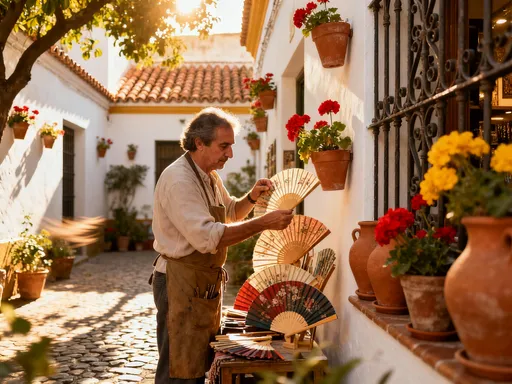
What makes Santa Cruz so special for shopping is its concentration of artisanal craftsmanship. Local potters display hand-glazed ceramics in vibrant blues and yellows, each piece bearing the slight imperfections that speak of human hands at work. Leatherworkers craft delicate espadrilles and intricately tooled handbags, their workshops doubling as retail spaces where you can watch the creation process. One of the most iconic crafts of Seville—hand-painted fans—is still produced here, with artisans using fine bone or wood frames and silk or parchment painted with floral motifs, religious scenes, or traditional Sevillian imagery.
Yet, not all shops in Santa Cruz are created equal. Along the main pedestrian paths, you’ll find souvenir stalls selling mass-produced magnets, keychains, and plastic fans that lack soul. But just a few steps off these routes, the atmosphere shifts. A discreet doorway might lead to a courtyard where a fourth-generation ceramist sells only what she makes herself. A tiny shop with no signage might specialize in antique lace or vintage perfume bottles. These are the places where shopping feels personal, where the items carry not just beauty but history. For the discerning traveler, the joy lies not in buying the most but in discovering the most meaningful.
Mercado de Triana: A Sensory Overload in the Best Way
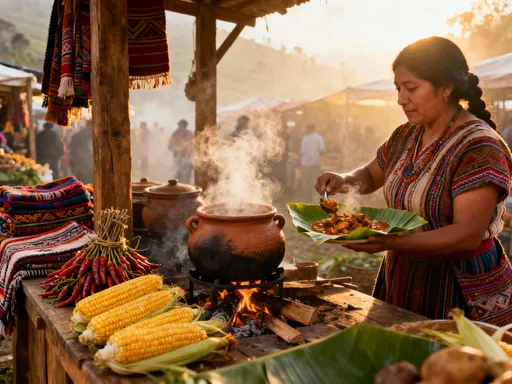
Across the Isabel II bridge from central Seville, the Triana neighborhood pulses with its own distinct energy—one that is deeply tied to the city’s artistic and culinary soul. Known historically as the home of potters, flamenco dancers, and bullfighters, Triana remains a bastion of authenticity. At its heart lies the Mercado de Triana, a vibrant, bustling market that offers one of the most immersive shopping experiences in the city. Open daily but at its liveliest on weekday mornings and Saturday afternoons, the market is a symphony of color, scent, and sound, where locals come not only to eat but to connect.
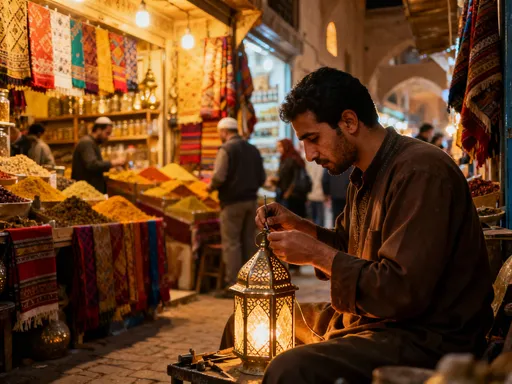
The market is divided into sections, each offering a different facet of Andalusian life. The food stalls are a feast for the senses: pyramids of ripe olives, wheels of Manchego cheese, slabs of Iberian ham glistening under soft lights, and baskets of fresh figs, persimmons, and blood oranges. But equally compelling are the artisan corners, where Triana’s pottery tradition lives on. Stalls overflow with hand-painted azulejos—ceramic tiles in geometric and floral patterns—that have adorned Sevillian homes for centuries. Some vendors sell full sets for home installation, while others offer small decorative tiles perfect for framing or gifting.
Textile vendors display embroidered linens, table runners with intricate Sevillian motifs, and brightly colored shawls reminiscent of flamenco attire. Nearby, you might find a stall selling handmade espadrilles, their cotton uppers dyed in deep cobalt or terracotta. What sets Mercado de Triana apart is not just the quality of goods but the atmosphere of community. Vendors greet regular customers by name, exchange jokes, and offer samples of olives or cured sausage. For visitors, engaging respectfully—smiling, using basic Spanish phrases like “buenos días” and “¿cuánto cuesta?”—can open doors to recommendations and even small gifts.
To make the most of your visit, arrive early—between 9 and 11 a.m.—when the market is fresh, the produce at its peak, and the crowds manageable. Weekdays are quieter than weekends, though Saturday brings a livelier energy and sometimes pop-up artisans. Avoid late afternoon, when many stalls begin to close. And always carry cash—while some vendors now accept cards, smaller ones often do not, and having euros on hand makes transactions smoother and more personal.
Avenida de la Constitución: Where Tradition Meets Trend
Stretching from Plaza Nueva to the western flank of Seville’s cathedral, Avenida de la Constitución is one of the city’s most dynamic shopping corridors. Unlike the narrow, intimate lanes of Santa Cruz, this broad avenue combines historical grandeur with modern retail energy. Lined with elegant 19th-century buildings featuring wrought-iron balconies and ornate stonework, the street offers a visually rich backdrop to a diverse array of shops. Here, tradition and trend converge, creating a shopping experience that appeals to both the culturally curious and the style-minded traveler.
The avenue hosts a mix of established Spanish brands, local boutiques, and souvenir shops catering to tourists. You’ll find national chains like Loewe—originally a Seville-based leather goods company—alongside smaller stores specializing in Andalusian textiles, jewelry inspired by Moorish designs, and hand-embroidered shawls. What makes Avenida de la Constitución particularly interesting is the way these stores coexist: a high-end fashion boutique might sit next to a shop selling traditional fans or miniature replicas of Seville’s famous orange trees.
As you walk, notice the architectural details—the arches, the tile work, the shaded arcades that provide relief from the sun. These elements are not just decorative; they are part of Seville’s shopping culture, encouraging strolling, lingering, and window shopping. Many stores have wide doorways that open directly onto the sidewalk, blurring the line between public and private space. This openness invites interaction, whether it’s a shopkeeper offering a sample of local olive oil or a display of hand-painted fans arranged like a mosaic on the exterior wall.
While some of the shops near the cathedral cater heavily to tourists, venturing slightly off the main path—into side streets like Calle Levíes or Calle Agua—reveals more authentic offerings. Here, you might find a family-run shop selling artisanal soaps made with Seville orange essence, or a tiny bookstore specializing in Andalusian literature and history. The key is to look beyond the obvious, to step inside stores that feel lived-in, where the owner greets you warmly and seems genuinely interested in sharing their craft.
Alameda de Hércules: The Hipster Haven with Local Flair
If Santa Cruz represents Seville’s historic soul and Triana its artisan roots, then Alameda de Hércules embodies its modern, creative pulse. Once a quieter residential area, Alameda has transformed over the past two decades into one of the city’s trendiest neighborhoods—a hub for young professionals, artists, and entrepreneurs. Lined with plane trees and anchored by two towering Roman columns, the Alameda is both a public promenade and a cultural hotspot, where vintage clothing stores, independent design studios, and concept cafes thrive.
Shopping here feels different—less about tradition, more about innovation. Boutiques showcase locally designed clothing with minimalist silhouettes and natural fabrics, often made in small batches. You’ll find shops specializing in sustainable fashion, zero-waste lifestyle products, and handmade ceramics with contemporary glazes. Vintage stores offer curated selections of 1970s dresses, retro sunglasses, and leather jackets, each piece carefully restored. Unlike the tourist-heavy zones, Alameda attracts locals who value quality, originality, and ethical production.
The neighborhood also hosts weekend markets that draw creative talent from across Andalusia. Every Saturday and Sunday, temporary stalls pop up along the avenue, selling handmade jewelry, organic skincare, illustrated postcards, and plant-based snacks. These markets are not just shopping destinations but social events—places where people meet friends, sip craft coffee, and listen to live acoustic music. For the visitor, they offer a chance to see Seville not just as a historical city but as a living, evolving community.
Alameda’s dining scene complements its shopping culture. Trendy cafes serve avocado toast and specialty brews, while tapas bars offer modern twists on classics—think goat cheese croquettes with quince paste or grilled octopus with smoked paprika oil. Many of these establishments double as retail spaces, selling their own branded goods like olive oil, preserves, or ceramic dishes. The synergy between food, fashion, and design makes Alameda a microcosm of contemporary Seville—a city that honors its past while confidently shaping its future.
Shopping Like a Local: Timing, Etiquette, and Cash Tips
To truly experience Seville’s shopping culture, timing and etiquette matter as much as destination. Unlike cities that operate on a fast, round-the-clock rhythm, Seville moves to a more deliberate beat—one shaped by the Mediterranean climate and long-standing customs. Most shops open around 10 a.m., close for siesta between 2 and 5 p.m., and reopen until 8 or 9 p.m. Larger stores in tourist areas may stay open continuously, but family-run boutiques and markets often adhere to the traditional schedule. Planning your shopping around these hours ensures you’ll find doors open and vendors alert.
Mondays and Tuesdays tend to be quieter, with fewer tourists and fresher stock. Wednesday through Friday see increasing foot traffic, while weekends—especially Saturday—bring both energy and crowds. If you prefer a more relaxed pace, aim for weekday mornings. For market visits, early hours are best: Mercado de Triana is at its most vibrant before noon, and weekend pop-ups in Alameda begin around 10 a.m.
When it comes to payment, cash is still king in many small shops and markets. While credit cards are widely accepted in larger stores, smaller vendors—especially artisans and food stall owners—often prefer euros in hand. Carrying small bills (5, 10, and 20 euro notes) makes transactions easier and is appreciated by sellers. It also allows for spontaneous purchases at flea markets or street stalls where card machines are impractical.
Etiquette plays a subtle but important role. Greeting shopkeepers with a polite “buenos días” or “buenas tardes” goes a long way. In smaller stores, it’s common to exchange a few words before any transaction—this is not delay, but part of the experience. Bargaining is generally not practiced in fixed-price stores, though at flea markets or informal stalls, a gentle negotiation may be acceptable. Above all, approach shopping with curiosity and respect. Ask about the origin of a product, compliment the craftsmanship, and take time to listen. These small gestures transform a simple purchase into a meaningful interaction.
Beyond Souvenirs: What to Bring Home (And What to Skip)
When it comes to souvenirs, Seville offers a spectrum—from the deeply meaningful to the utterly forgettable. The most rewarding purchases are those that reflect the city’s authentic spirit: items made by hand, rooted in tradition, and connected to local life. Chief among these is Sevillian olive oil, produced in nearby groves and often sold in small, family-run shops or markets. Look for cold-pressed, extra virgin varieties in dark glass bottles—perfect for cooking or gifting.
Another standout is the azulejo tile. While mass-produced versions exist, authentic hand-painted tiles from Triana or artisan workshops in Santa Cruz carry the weight of history. A single tile, framed, makes a beautiful keepsake; a set can be used in home décor. Similarly, handmade fans—not the flimsy paper kind, but those crafted with wood, bone, or mother-of-pearl—are both functional and artistic. Many are painted with scenes of Seville, religious icons, or intricate lace-like patterns.
Handmade espadrilles, particularly those stitched in leather with rubber soles, are both stylish and practical. Look for pairs made locally, with attention to detail and comfort. Embroidered textiles—table linens, napkins, or shawls—often feature traditional Andalusian motifs and are perfect for bringing a touch of Seville into your home.
On the other hand, it’s wise to avoid generic trinkets sold in high-traffic zones near the cathedral or Plaza de España. Plastic flamenco dolls, keychains shaped like the Giralda, and machine-printed fans may be convenient, but they lack authenticity and often support neither local artisans nor the city’s cultural economy. Instead, prioritize purchases that support small businesses—visit cooperatives, ask vendors about their craft, and choose quality over quantity. In doing so, you not only bring home something beautiful but also contribute to the preservation of Seville’s living traditions.
Conclusion
Seville’s shopping landscape is a vibrant thread in its cultural fabric. It’s not about luxury malls or brand names—it’s about connection, craftsmanship, and discovery. By stepping into local markets and sidestepping tourist traps, travelers gain a richer, more personal experience. Let your curiosity guide you, and let Seville’s hidden retail gems tell their story.