You Won’t Believe What I Found in Marrakech’s Festival Markets
Marrakech isn’t just a city—it’s a sensory explosion. During festival season, the souks transform into vibrant stages of color, scent, and sound. I went searching for souvenirs but found something deeper: culture woven into every textile, spice, and handshake. Shopping here isn’t transactional; it’s storytelling. If you’ve ever wanted to take home more than just objects, but memories with soul, this is where to begin. The markets pulse with life, alive not only with commerce but with tradition, rhythm, and human warmth. This is not a place to rush through with a checklist. It is a place to wander, to pause, to listen—to let the city reveal itself one conversation, one scent, one handcrafted object at a time.
The Heartbeat of Marrakech: Where Shopping Meets Celebration
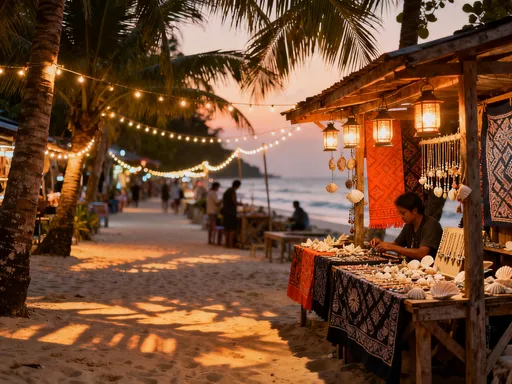
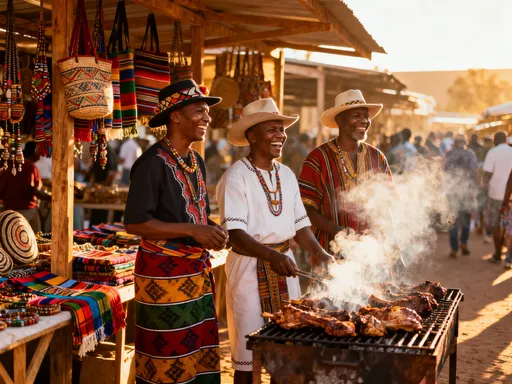
Marrakech breathes to the rhythm of celebration. The city’s markets, or souks, are not static shopping zones—they are living organisms that shift and swell with the calendar. During festival seasons such as Ramadan, Eid al-Fitr, and local moussems (religious festivals), the energy transforms. The usual hum of commerce deepens into a symphony of communal joy. Streets that are busy on ordinary days become rivers of movement, filled with families in new caftans, children with lanterns, and elders sharing sweets under strings of festive lights.
These moments are not merely religious or cultural observances—they are economic and artistic crescendos. Artisans work for weeks in advance, perfecting embroidery, polishing brass, and firing ceramics in anticipation of heightened demand. The festival season brings out specialized vendors who appear only at certain times of year, offering items tied to ritual and heritage. A hand-stitched wedding tray, a ceremonial tea set, or a child’s first pair of embroidered slippers—these are not everyday goods. They carry meaning, and their seasonal availability makes them all the more precious.
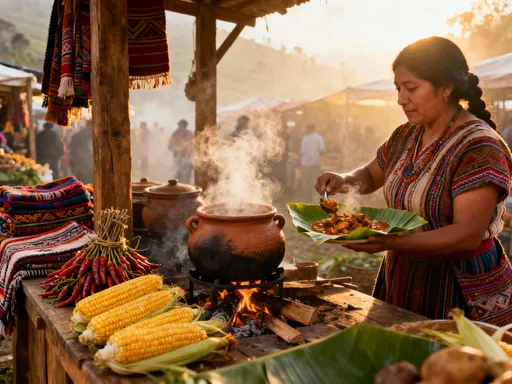
For travelers, timing a visit to coincide with these festivals offers a rare window into authentic Moroccan life. The market is no longer just a place to buy; it becomes a theater of tradition. Music spills from hidden courtyards—gnaoua rhythms on Friday evenings, folk ensembles during Eid mornings. Food vendors serve seasonal specialties: msemen drizzled with honey, harira soup at sunset, and almond-filled pastries dusted with orange blossom water. The air is thick with anticipation, generosity, and the quiet pride of craftsmanship on display.
To shop during festival time is to participate. It is to witness how commerce and culture are not separate, but deeply entwined. A simple exchange—handing over dirhams for a hand-painted bowl—becomes part of a larger story. You are not just a customer. You are a guest in a moment of collective celebration. And that shift in perspective—seeing the market not as a transaction zone but as a cultural stage—is what turns a routine purchase into a lasting memory.
Djemaa el-Fna at Dawn: A Shopper’s First Stop
Most travelers know Djemaa el-Fna as the roaring heart of Marrakech by night—a place of storytellers, snake charmers, and sizzling grills. But for the thoughtful shopper, the true magic begins at dawn. As the call to prayer echoes from the Koutoubia Mosque, the square is still quiet, bathed in soft pink light. Overnight food stalls are being dismantled, their remnants cleared by workers in white aprons. By 7 a.m., the transformation is underway: wooden carts roll in, handwoven rugs are unfurled, and artisans arrange their wares with meticulous care.
This is the ideal time to enter the market—not as a spectator, but as a participant. The early hours belong to locals. You’ll see women in djellabas selecting spices for the day’s cooking, elders inspecting leather goods with practiced eyes, and shopkeepers greeting each other with warm handshakes and shared mint tea. The energy is calm, focused, and deeply authentic. There are no crowds, no pressure, no performative haggling. Instead, there is a sense of routine, of daily life unfolding in its natural rhythm.
For visitors, arriving early offers distinct advantages. First, you gain access to the freshest goods—spices ground that morning, bread still warm from the communal oven, fabrics laid out before the sun fades their colors. Second, you meet sellers at their most open. Without the fatigue of a long day or the distraction of dozens of tourists, they are more likely to share stories about their crafts, recommend hidden stalls, or invite you into their workshops. This is where connections begin—where a purchase becomes more than a sale.
Equally important is the pricing advantage. Once the tourist rush begins around 10 a.m., prices subtly rise. Vendors adjust not out of dishonesty, but out of habit—knowing that later shoppers are often less informed and more willing to pay a premium. By engaging early, you establish a fair baseline. You show respect for the craft and the craftsperson, and in return, you are more likely to receive honest pricing and genuine recommendations. The early market is not just quieter—it is more truthful.
Beyond the Haggling: Understanding Value in Moroccan Markets
Haggling is often misunderstood as a game—one where the goal is to “win” by paying the lowest price possible. In Marrakech, this mindset misses the point entirely. Negotiation is not a battle; it is a ritual, a dance of mutual respect. It is how relationships are built, how trust is established, and how both buyer and seller walk away feeling satisfied. To haggle well is not to undercut, but to engage.
Understanding fair value begins with awareness. Take leather babouches, the soft, pointed slippers made from goat or camel leather. A high-quality pair, hand-stitched and dyed with natural pigments, should cost between 250 and 400 Moroccan dirhams (approximately $25–$40 USD). If a vendor quotes 800 dirhams, that is not necessarily greed—it is the starting point of a conversation. A respectful counteroffer of 300 dirhams, followed by a brief discussion about the leather’s origin or the artisan’s training, often leads to a fair agreement. The final price may settle at 350, and both parties feel they have gained something.
Similarly, argan oil—a prized Moroccan product—varies widely in quality. Genuine, cold-pressed argan oil, produced by women’s cooperatives in the Souss Valley, carries a production cost that reflects labor, time, and sustainability. A 100ml bottle should not cost less than 120 dirhams if it is authentic. Vendors who sell it for 50 dirhams are likely offering diluted or chemically extracted versions. Knowing this empowers you to make informed choices. You are not just buying oil—you are supporting (or not supporting) ethical production.
Body language plays a crucial role in these exchanges. A smile, a pause, an offer of tea—these are signals as important as words. If a seller laughs and says “You are too hard!” but still smiles, the negotiation is still in play. If they turn away, fold their arms, or say “This is my final price” with firmness, it is time to decide: accept, walk away, or shift the conversation. Walking away is not failure. Often, it triggers a final, genuine offer—the price the seller was willing to accept all along.
The goal is not to pay the absolute minimum, but to reach a price that honors the craft and the connection. When done with respect, haggling becomes a shared moment of humanity. It is not about money. It is about meeting another person on common ground.
Hidden Courtyards and Craft Clusters: Off-the-Beaten-Path Buying
Beyond the main arteries of the souk, where tourist foot traffic surges, lie quieter lanes that lead to the true soul of Marrakech’s craftsmanship. These are the backstreets of the medina, where artisans work in small, family-run workshops tucked behind unmarked doors. To find them, you must wander with intention—not with a map, but with curiosity. Ask a tea vendor where the potters work. Follow the sound of hammering metal. Accept an invitation to climb a narrow staircase to a rooftop studio.
In the Tighedouine district, potters shape clay on foot-powered wheels, using techniques passed down for generations. Their ceramics are fired in wood-burning kilns, glazed with natural minerals, and painted with geometric patterns that echo Islamic art. These are not mass-produced souvenirs. Each piece bears the fingerprint of its maker, the slight variation that proves its handcrafted origin. A simple tagine dish, when bought here, carries not just function, but lineage.
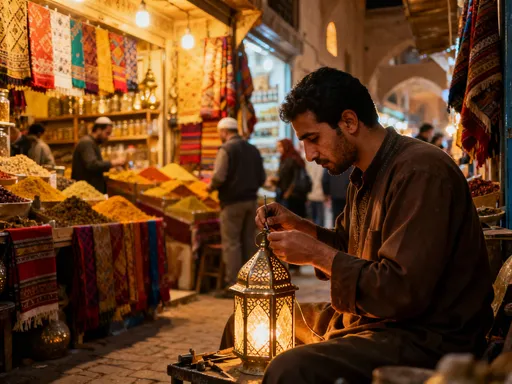
Near Souk Sebbaghine, the dyers’ quarter, you’ll find lantern makers shaping brass and copper into intricate filigree. Their workshops are dimly lit, filled with the scent of metal and oil. Here, a single lantern may take days to complete—each perforation cut by hand to cast specific shadows when lit. These are not decorative trinkets. They are functional art, designed to transform space with light and pattern. Buying one is not just an aesthetic choice; it is a support of a vanishing craft.
Equally compelling are the natural dye studios, where artisans use saffron, henna, indigo, and pomegranate to color wool and silk. These dyes are mixed in clay pots, simmered over low heat, and applied with methods unchanged for centuries. A scarf dyed with real saffron will carry a warmth no synthetic color can replicate—not just in hue, but in story. These studios are often run by women’s cooperatives, and purchasing directly ensures that income stays within the community.
Visiting these hidden workshops does more than yield unique souvenirs. It shifts the power dynamic of tourism. Instead of buying from middlemen or export shops, you engage with the creator. You see the labor, hear the challenges, and understand the pride. And in doing so, you help preserve traditions that might otherwise fade in the face of industrialization and mass production.
Festival-Only Finds: What You Can Only Buy During Celebration Seasons
Some of the most meaningful souvenirs in Marrakech are not available year-round. They emerge only during festival seasons, crafted specifically for moments of ritual and joy. These limited-run items are not made for tourists—they are made for Moroccans, to mark births, weddings, religious observances, and seasonal transitions. Their scarcity is what makes them special.
One such item is the embroidered caftan, particularly those made for Eid. Unlike the simpler versions sold in tourist shops, these are stitched with gold or silver thread, often by hand, and feature motifs that carry symbolic meaning—cypress trees for eternity, stars for guidance, floral patterns for prosperity. Many are made by family-run ateliers, where generations of women work together in courtyard workshops. These caftans are not just clothing; they are heirlooms in the making.
Another festival-exclusive is the ceremonial tea set. While brass and silver sets are common, those produced for special occasions are often engraved with blessings, family names, or Quranic verses. They may come with matching trays painted with intricate zellige patterns or adorned with hand-cut mother-of-pearl. These sets are used during Eid gatherings, weddings, and religious visits—moments of hospitality and honor. To own one is to hold a vessel of Moroccan values: generosity, respect, and connection.
Then there are the hand-painted festival trays—large, circular wooden platters used to serve sweets during Ramadan and Eid. Artists paint them with vibrant scenes: gardens, birds, geometric mosaics. Each is unique, often signed by the artist. These trays are not merely decorative; they are part of a tradition of sharing food and joy. During Ramadan, they are filled with dates, almonds, and pastries, passed from hand to hand as families break their fast.
Identifying authentic festival crafts requires attention. Look for signs of handwork: slight imperfections in stitching, variations in paint, natural materials. Ask the seller when and why the item was made. If they hesitate or give a generic answer, it may be a reproduction. Genuine festival pieces are often sold by the artisans themselves or in small, family-run stalls. They may not be the cheapest option, but they carry a truth that mass-produced copies cannot replicate.
The Scent of Memory: Why Spices and Oils Make the Best Souvenirs
If you want to bring Marrakech home in the most visceral way, buy spices. More than any object, scent has the power to transport. The moment you open a jar of ras el hanout, the market returns—the heat, the music, the laughter, the dust. Spices are not just ingredients; they are archives of culture, memory, and daily life.
Walk through the spice quarter, and you’ll see mounds of color: saffron like threads of sunlight, cumin in deep amber, turmeric glowing like fire. Vendors stand behind their stalls, offering samples on small spoons. They know their blends intimately. Ask for ras el hanout—“top of the shop”—and they will often mix a fresh batch before your eyes, combining up to thirty spices: cardamom, cinnamon, cloves, nutmeg, dried rose petals, even lavender. Each vendor has their own recipe, a family secret passed down through generations.
Buying spices here is different from buying pre-packaged jars in a supermarket. Here, you engage with the process. You see, smell, and taste. You learn how to use them—not just in tagines, but in breads, teas, and desserts. A vendor might show you how to temper cumin in olive oil to release its aroma, or how to blend saffron with warm milk for a soothing drink. These are not just cooking tips; they are invitations into Moroccan domestic life.
To ensure quality, look for freshness. Spices should be brightly colored and strongly aromatic. Avoid anything that smells dusty or looks faded. Steer clear of pre-packaged blends with no ingredient list—these are often diluted with fillers. The best vendors will let you smell and taste before buying. They will grind whole spices on the spot. They will wrap your purchase in paper, not plastic, to preserve the oils.
Argan oil, too, belongs in this category of sensory souvenirs. When sourced directly from cooperatives, it carries the story of Berber women working in rural villages, hand-cracking argan nuts, and pressing the oil using traditional methods. A bottle of real argan oil—used in cooking or as a beauty treatment—becomes a daily ritual, a small act of connection to a distant place and people.
Carrying Culture Home: How to Travel with Your Treasures
Bringing your Marrakech treasures home requires care. Fragile ceramics, delicate textiles, and natural products each need special handling to survive the journey. A hand-painted tray can crack if not wrapped properly. A silk scarf can snag in a crowded suitcase. Spices can spill or lose potency if exposed to air.
For ceramics, ask the seller to wrap the item in layers of newspaper or cloth, then place it in a sturdy box. If shipping, choose a reputable courier that offers insurance. For smaller items, pack them in the center of your suitcase, surrounded by soft clothing. Never place heavy objects on top.
Textiles should be folded, not rolled, to prevent creasing. Wrap delicate embroidery in tissue paper. If carrying a large rug, consider having it cleaned and rolled in protective plastic before travel. Some airlines allow rugs as carry-ons if they are compact enough; otherwise, they must be checked, ideally in a durable travel bag.
Spices and oils travel well but require attention. Transfer spices to airtight containers to prevent spills. Label them clearly. Avoid carrying large quantities, as customs officials may question undeclared goods. Argan oil is generally allowed in carry-on luggage if under 100ml per container, but check your airline’s regulations. Keep receipts to prove authenticity and value.
Equally important are ethical considerations. Avoid items made from endangered materials—certain leathers, ivory, or turtle shell. Be cautious of “antiques” offered at low prices; many are reproductions or illegally exported artifacts. When in doubt, ask questions. Reputable sellers will provide information about origin and production.
Finally, remember that the true value of a souvenir is not in its price or rarity, but in its story. A bowl from a Tighedouine potter, a scarf from a natural dye studio, a blend of ras el hanout—these are not just objects. They are vessels of culture, memory, and human connection. When you use them, you honor the hands that made them. You keep traditions alive, not in a museum, but in your daily life.
Shopping in Marrakech during festival season isn’t about filling suitcases—it’s about filling your life with meaning. Each item carries a story, a craft, a moment of human connection. When you choose to buy with intention, you don’t just bring home art—you support a living culture. Next time you wander through a market, remember: the best souvenir isn’t what you buy, but what you understand.